Version 1.0.0
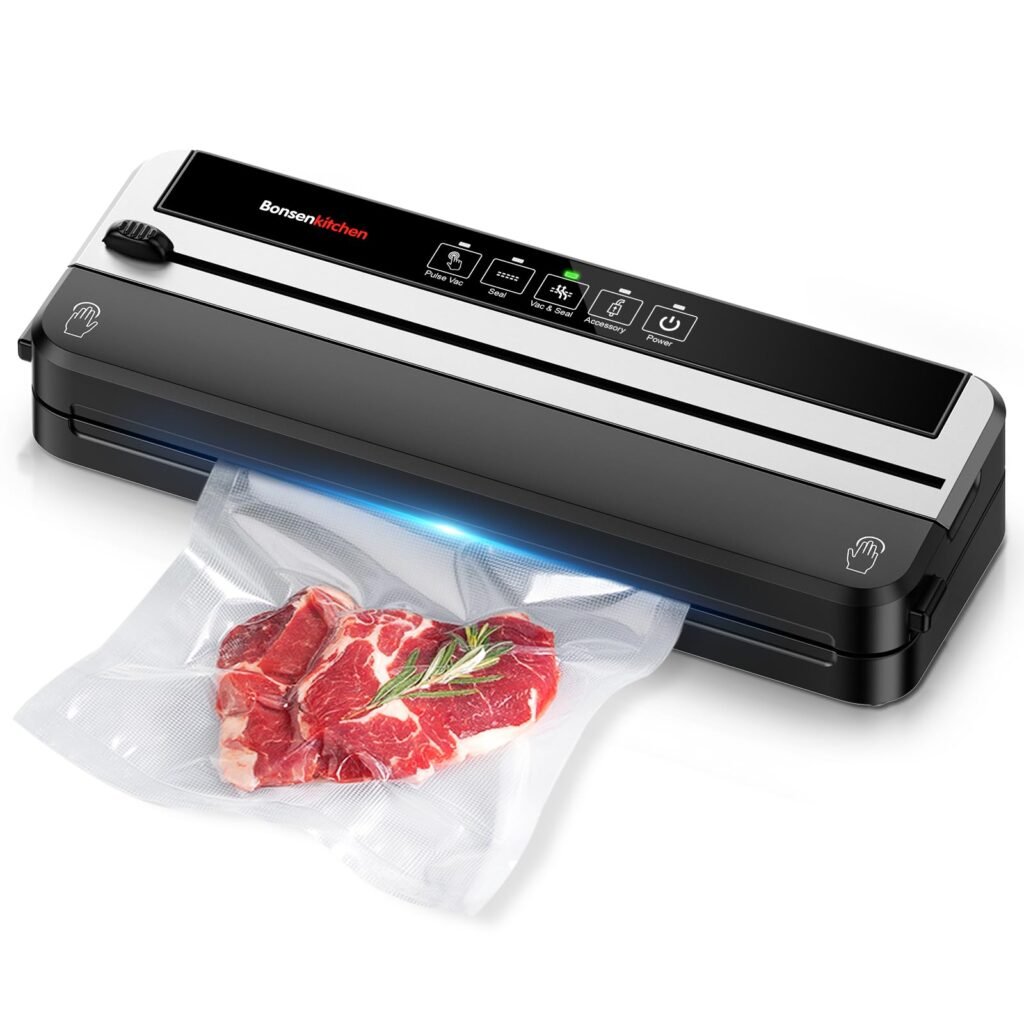
A vacuum pack sealer machine are innovative tools designed to preserve food by removing air from packaging and creating a secure seal. This method helps maintain the quality, flavour, and texture of food for longer while preventing spoilage from oxidation or contamination. These machines are versatile, catering to both domestic and commercial needs, and are widely used for their efficiency in reducing food waste. Their ability to store a variety of items, including dry goods, liquids, and perishable foods, has made them indispensable in food storage and preparation. Understanding their operation and applications helps maximise convenience and food safety.
Functionality and Mechanics of Vacuum Sealing
Vacuum sealing removes air from packaging, creating an airtight environment that extends the freshness of stored items. The process relies on key components such as a vacuum pump, sealing bar, and compatible bags. The pump effectively extracts air, which helps to inhibit the growth of bacteria and mould that thrive in oxygen-rich conditions.
The sealing bar uses heat to bond the packaging material securely, ensuring the bag remains sealed and tamper-proof. This mechanism also protects against external factors such as moisture and freezer burn, preserving the food’s original texture and flavour. Some machines include adjustable settings, enabling precise control for sealing various food types.
This technology isn’t limited to food preservation; it is also used for non-food items, protecting documents, clothing, or electronics from damage caused by air exposure or environmental factors.
Types of Vacuum Pack Sealing Machines
Vacuum pack sealing machines come in various types to cater to different needs and applications. External vacuum sealers are widely used for smaller-scale tasks, making them suitable for domestic use or light commercial applications. They work efficiently with pre-cut bags and rolls, sealing solid foods and dry items effectively. Chamber vacuum sealers, commonly used in commercial settings, are designed to handle larger volumes. They excel at sealing liquids and delicate items because they create a vacuum within a sealed chamber.
Handheld vacuum sealers, compact and portable, are ideal for quick tasks or sealing smaller portions. These are practical for on-the-go requirements or limited storage spaces. Each type of vacuum sealing machine serves a specific purpose, ensuring flexibility and adaptability for various storage and preservation needs.
Benefits of Using a Vacuum Sealing Machine
Vacuum sealing machines offer an effective way to preserve food by significantly extending its shelf life. By creating an airtight seal, these machines reduce air exposure, slowing bacterial and mould growth. This helps food stay fresh and retain its natural flavours and nutrients longer.
They are particularly beneficial for bulk storage, as sealed items take up less space and prevent freezer burn. Additionally, vacuum-sealed food maintains its quality during freezing, reducing deterioration in texture and taste.
This technology also supports portion control, making it easier to store and organise meals in advance. Beyond food preservation, vacuum sealing protects non-edible items such as documents and valuables from moisture and dust. By reducing waste and offering efficient storage solutions, these machines provide practical, versatile applications across various settings.
Commercial vs Domestic Vacuum Sealing Machines
Commercial and domestic vacuum sealing machines serve distinct purposes based on their design and capacity. Commercial models are engineered for high-volume use, making them suitable for industries such as hospitality, catering, and food production. These machines often feature robust motors, larger vacuum chambers, and advanced settings to handle diverse sealing requirements efficiently.
In contrast, domestic vacuum sealing machines are compact and simplified for everyday household use. They are ideal for sealing smaller quantities of food, offering a convenient way to manage storage and reduce waste. Domestic models prioritise user-friendly features and portability, making them practical for limited kitchen spaces.
The choice between commercial and domestic machines largely depends on the scale and frequency of use. Commercial units are built for durability and heavy-duty tasks, while domestic versions suit smaller-scale, routine use.
Key Features to Consider
When assessing vacuum sealing machines, consider several features to ensure efficiency and suitability. Adjustable sealing settings allow for flexibility when working with different food types, providing the ideal seal for varying textures and moisture levels. The size of the sealing bar and vacuum chamber is another important aspect, as it determines the machine’s compatibility with various packaging sizes.
Compact designs suit smaller spaces, while larger models are better for bulk tasks. Noise levels can also vary, making quieter machines a preferable choice for certain environments. Advanced features such as pulse vacuum settings and automatic sealing functions enhance precision and ease of use.
Durability is essential, with stainless steel components offering long-lasting performance. Machines equipped with easy-to-clean surfaces and removable parts simplify maintenance, promoting consistent functionality over time.
Maintenance and Care of Vacuum Sealing Machines
Proper maintenance ensures vacuum sealing machines perform reliably over time. Clean the sealing bar regularly to remove residue that could affect seal quality. Check the condition of gaskets, as worn gaskets can compromise airtight performance.
Inspect and clean components such as removable drip trays or filters to prevent blockages. Store machines in dry conditions to avoid moisture damage. Adhering to recommended servicing schedules, including part replacements, helps maintain peak efficiency.
Environmental Impact of Vacuum Sealing
Vacuum sealing reduces waste by prolonging food shelf life, decreasing the amount of spoiled items discarded. By preserving food for longer, it also reduces the environmental footprint associated with frequent production and transportation. Reusable vacuum bags and rolls can further reduce reliance on single-use plastics, promoting more sustainable practices.
Additionally, many modern vacuum sealing machines are designed for energy efficiency, reducing electricity consumption during operation. Together, these factors show vacuum sealing’s potential to support more environmentally conscious storage and preservation methods.
However, consider the responsible disposal or reuse of vacuum sealing materials to balance food preservation benefits with environmental impact.
Safety Precautions When Using Sealer Vacuum Packaging Machine
To ensure safe operation, always use vacuum sealing machines on stable, flat surfaces to prevent accidental tipping or movement during use. Keep fingers, loose clothing, and other objects away from the sealing bar while the machine is operating, as the heat can cause burns or damage. Avoid overloading the vacuum chamber, as this can affect sealing performance and potentially damage the sealer vacuum packaging machine.
Turn off and unplug the machine before any cleaning or maintenance to minimise electrical hazards. Also, inspect the machine for wear or damage, such as cracked components or faulty wiring, to help prevent accidents and ensure consistent performance. Following the manufacturer’s safety guidelines is essential to protect both the user and the machine.
Vacuum Sealing Techniques for Different Foods
Different food types benefit from tailored vacuum sealing techniques to maintain quality and freshness. Partially freeze meat before sealing to retain its structure and prevent excess liquid from interfering with the seal. For vegetables, blanching before vacuum sealing helps preserve colour, texture, and nutritional value. For liquids such as soups or sauces, chamber vacuum sealers are particularly effective at preventing spills and ensuring an airtight seal.
Store dry goods like grains or nuts in moisture-resistant vacuum bags to maintain crispness and freshness. For delicate items such as baked goods, using a machine with adjustable settings or a pulse vacuum function prevents crushing. By adapting techniques to each food’s specific needs, you maximise the benefits of vacuum sealing.
Common Myths about Vacuum Sealing
Misconceptions about vacuum sealing often lead to misunderstandings. One common myth is that vacuum-sealed food does not require proper refrigeration or freezing, which is inaccurate, as perishable items still need to be stored at safe temperatures to prevent spoilage. Another misconception is that vacuum sealing completely stops food from deteriorating, while in reality, it slows the process but does not eliminate it.
Some believe that vacuum sealing is only suitable for professional settings, yet it is equally beneficial in domestic environments for preserving various items. Another myth suggests vacuum sealing is ineffective for liquids, though specialised machines like chamber sealers are designed specifically to handle such tasks. These misconceptions highlight the importance of accurate knowledge about the technology.
Future Trends in Vacuum Sealing Technology
Advancements in vacuum sealing technology are focusing on enhancing functionality and sustainability. Smart vacuum sealers with integrated connectivity features are being developed, enabling remote operation and precise monitoring. Innovations in bag materials are promoting greater eco-friendliness, with reusable and biodegradable options becoming increasingly available. Enhanced pump designs aim to improve efficiency while reducing operational noise.
Additionally, manufacturers are introducing compact, multifunctional machines to meet modern storage needs. These developments reflect the ongoing evolution of vacuum sealing, highlighting its potential to become more efficient, environmentally conscious, and adaptable to diverse applications in the future.
Conclusion
Vacuum pack sealer machine offers an indispensable solution for food preservation, waste reduction, and storage optimisation across Australia. By removing oxygen and creating a durable, airtight thermal seal, these versatile machines effectively prevent oxidation, freezer burn, bacterial growth, and moisture buildup. Whether you use compact domestic units or heavy-duty commercial chamber sealers, vacuum packaging extends ingredient shelf life while preserving natural flavours, essential nutrients, and physical textures. With adjustable sealing modes, pulse controls, and easy-to-clean stainless steel surfaces, vacuum sealing systems streamline meal prep, boost kitchen efficiency, and protect food and non-food items for residential and commercial users across Australia.
FAQs
How does a vacuum pack sealer machine prevent freezer burn and food spoilage?
A vacuum pack sealer machine extracts air from storage pouches before applying a heat seal. Removing oxygen starves aerobic bacteria and mould while preventing ice crystal formation. This airtight barrier stops dehydration and freezer burn, maintaining natural food textures, vibrant colors, and essential nutritional quality during prolonged cold storage across Australia.
What are the key differences between external and chamber vacuum sealers?
External vacuum sealers pull air directly from textured pouches and are ideal for dry, solid foods in domestic settings. Chamber vacuum sealers place the entire bag inside a sealed chamber, equalizing internal and external pressure. This enables chamber models to pack liquids, soups, and delicate items without spillage, supporting commercial kitchens across Australia.
Why should certain vegetables be blanched before vacuum sealing?
Fresh vegetables naturally release gases and enzymes that cause decay and loss of crispness over time. Blanching vegetables in boiling water briefly before cooling and sealing neutralizes these enzymes. This pre-treatment preserves natural color, firm texture, and essential vitamins, ensuring optimal long-term quality and storage safety for home cooks across Australia.
Can liquids and moist foods be sealed using a vacuum packaging machine?
Yes, liquids and moist foods can be effectively vacuum sealed. Chamber vacuum sealers easily handle liquids like soups and marinades due to balanced pressure mechanics. For external suction sealers, partially freezing liquids or using pulse vacuum settings prevents moisture from being drawn into the vacuum channel during extraction across Australia.
What routine maintenance steps prolong the lifespan of a vacuum sealer?
Routine maintenance includes wiping down sealing bars and thermal strips after use to remove food residue. Regularly inspect silicone gaskets for wear, deformation, or cracks, replacing damaged seals promptly. Ensure drip trays are emptied and cleaned, and store the machine unlatched to preserve gasket compression and ensure vacuum pressure across Australia.
| Related Business Listings |
| Contact Directory |
| Local Business Profiles |