Fluctuating weather conditions can influence household humidity, indoor temperatures, and ventilation requirements across different seasons. A heat recovery ventilator replaces stale indoor air with fresh outdoor air while transferring thermal energy between the incoming and outgoing airflows. In winter, this exchange helps retain warmth that would otherwise escape during ventilation, while its performance in warmer weather depends on outdoor conditions and the property’s heating or cooling settings. Regular air replacement can also assist with removing indoor pollutants and excess moisture. By combining controlled ventilation with heat transfer, these systems help balance fresh air circulation, temperature management, and indoor comfort throughout seasonal changes.
Fresh Air Exchange with Less Unnecessary Heat Loss
Heat-recovery ventilation allows fresh outdoor air to enter residential interiors while limiting the warmth lost through routine air exchange. As stale air leaves the property, a heat exchanger transfers some of its thermal energy to the incoming air without allowing the two air streams to mix. This process helps preserve indoor warmth and reduces temperature differences during colder weather.
Continuous ventilation can also help regulate moisture levels, lowering the risk of excessive humidity, condensation, and dampness. Removing airborne particles, unwanted odours, and certain indoor contaminants can further improve the freshness of occupied rooms.
Many modern systems fit into residential layouts without requiring substantial living space, and some are designed for low-noise operation. By combining controlled air circulation with thermal energy recovery, these systems support comfortable indoor conditions while helping households manage ventilation-related heating demands.
Better Indoor Air Quality through Continuous Ventilation
Fresh indoor air depends partly on replacing stale air with a regular supply from outside. Appropriate ventilation can reduce the accumulation of carbon dioxide, household pollutants, chemical emissions, and airborne allergens in frequently occupied rooms. It can also help manage excess moisture, reducing condensation and damp conditions that may encourage mould growth.
Certain systems include filters that trap particles such as dust and pollen before the incoming air reaches living areas. Continued air exchange can also help clear persistent household odours, contributing to a fresher atmosphere throughout the property. These functions work together to improve indoor air conditions and support everyday comfort and well-being.
Stable Indoor Temperatures with Heat-Recovery Systems
Heat recovery technology introduces outdoor air while transferring thermal energy from the outgoing indoor airflow to the incoming supply. This recovered warmth brings fresh air closer to the desired indoor temperature, reducing the additional heating needed to maintain comfortable conditions. During colder periods, the process can also limit the discomfort associated with sudden changes in indoor temperature.
Controlled airflow provides a regular supply of fresh air and helps distribute ventilation throughout different parts of the home. Many current systems operate with limited noise, allowing air exchange to continue without significantly disturbing daily activities.
Different unit designs can accommodate a variety of residential floor plans while making efficient use of installation space. The combination of fresh air circulation and heat transfer provides a practical way to maintain indoor comfort and support ventilation throughout the property.
Design Features That Shape Ventilation Efficiency
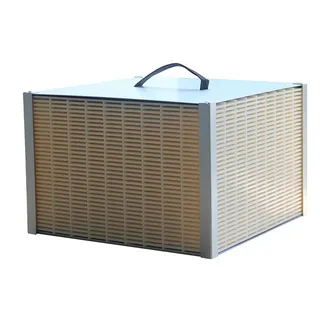
Several components influence how effectively modern ventilation systems manage airflow, recover heat, and respond to household needs. The heat exchanger plays a central role by transferring thermal energy between incoming and outgoing air without directly mixing the two streams. Filters can capture particles such as dust and allergens, helping improve the quality of the air supplied indoors.
Adjustable airflow settings allow ventilation rates to reflect household activities and changing conditions. More advanced units may include sensors that monitor humidity, temperature, or indoor air quality and modify operation accordingly. Noise-control features can make continuous use more comfortable, while durable construction can contribute to dependable performance over time.
Lower Heat Loss with an Air Recovery Unit
An air recovery unit helps reduce ventilation-related energy loss by transferring thermal energy from extracted indoor air to the fresh outdoor air entering a property. This exchange brings incoming air closer to the preferred indoor temperature, potentially reducing the extra heating required during regular ventilation.
Such equipment can support fresh air circulation throughout the year, although its contribution to energy savings depends on outdoor conditions, system efficiency, and household heating habits. By recovering some of the heat that would otherwise escape, the unit can help reduce the ventilation load on a home’s heating system.
Some models include efficient heat exchangers and automatic controls that respond to changing indoor conditions. Combining thermal energy recovery with a consistent supply of outdoor air can help limit avoidable heat loss and maintain more stable indoor temperatures.
Achieving Steadier Indoor Conditions through Balanced Airflow
Balanced ventilation helps regulate indoor air exchange while reducing unnecessary heat loss, contributing to more stable household temperatures. Heat-recovery technology can temper incoming outdoor air during colder periods, while some systems can also limit unwanted heat transfer under warmer conditions. This can help maintain comfortable indoor environments while reducing demand on conventional heating and cooling equipment.
Maintaining a suitable balance between incoming and extracted air can help minimise temperature fluctuations and uncomfortable draughts. Recovering thermal energy already present indoors can also reduce the need for additional heating or cooling to compensate for ventilation-related losses.
Adjustable airflow settings allow ventilation to respond to seasonal variations and household requirements. Effective humidity control can further help manage excess moisture and condensation that may affect comfort and building materials. Together, these functions support a more consistent and energy-conscious indoor environment.
Better Household Energy Control with an Air Recovery System
An air recovery system supports energy management by combining fresh-air exchange with thermal energy recovery. Heat captured from outgoing indoor air warms the incoming outdoor supply, reducing the energy needed to bring fresh air closer to the preferred indoor temperature. This process can reduce demand on conventional heating equipment while supporting more efficient household energy use.
Continuous ventilation also helps maintain a fresher indoor atmosphere. By assisting with moisture control, these systems can limit excessive humidity and reduce conditions associated with condensation, dampness, and mould growth. Keeping moisture levels in check may also help protect building materials and interior surfaces from prolonged damp exposure.
Modern units may incorporate efficient heat exchangers and automatic settings that adjust to changing indoor conditions. Combining controlled airflow with thermal recovery offers households a practical approach to reducing unnecessary heat loss while maintaining fresh air and comfortable living environments.
What Determines the Effectiveness of a Ventilation System
Ventilation performance is influenced by equipment design, installation standards, and regular maintenance. The heat exchanger is a key component because its design determines how effectively thermal energy passes between incoming and outgoing air streams. Filters also contribute to air quality and system operation by capturing airborne particles before they accumulate inside the equipment. Correct installation helps establish balanced airflow and reduce avoidable energy losses.
Routine servicing can keep components in suitable condition and maintain reliable operation. Duct layouts and vent positions also affect how evenly fresh air reaches different rooms and whether airflow restrictions occur. Some advanced systems use sensors to monitor conditions such as humidity and indoor air quality, allowing ventilation rates to adjust as household needs change.
Choosing a Residential Heat Recovery Ventilator for Everyday Comfort
Choosing a residential heat recovery ventilator involves evaluating specifications that influence fresh-air delivery, heat retention, and indoor air quality. The unit’s airflow capacity should suit the property’s size and ventilation demands, ensuring adequate air exchange without unnecessary operation.
Thermal efficiency also deserves consideration because effective heat transfer allows more energy to be recovered from outgoing air before it leaves the building. Filter quality is another relevant factor, particularly for households seeking to reduce indoor dust, allergens, and other airborne particles.
Operating noise can affect whether a model is appropriate for installation near bedrooms, living rooms, or other frequently used spaces. Additional features, including programmable schedules, automatic airflow controls, and air-quality sensors, may offer greater convenience. Comparing these characteristics helps homeowners identify a system suited to their property’s ventilation needs, energy management goals, and expectations for consistent indoor comfort.
Planning Home Layouts for Effective Ventilation Installation
Successful ventilation installation starts with examining the building’s layout and structure to determine suitable positions for ducts, air outlets, and equipment. Securely sealed connections help prevent unintended air leakage that could reduce system effectiveness. Existing heating and cooling arrangements should also be reviewed to ensure the ventilation equipment can operate appropriately alongside other systems. Providing accessible locations for filters and service components simplifies future maintenance.
Noise levels and available operating features should be considered in relation to room layouts and household comfort. Electrical supply requirements, including suitable wiring and power capacity, must also be assessed before installation begins. Professional installation can help resolve technical requirements, reduce fitting problems, and ensure the system operates according to its specifications. Careful preparation and correct installation can contribute to reliable ventilation, effective energy recovery, and lasting equipment performance.
Important Checks Before You Buy Heat Recovery Ventilator
When planning to buy heat recovery ventilator, homeowners should assess each model according to the property’s airflow needs and installation requirements. Existing ducts, vents, and related equipment should be reviewed alongside the unit’s ventilation capacity to ensure fresh air can be distributed effectively throughout the intended spaces.
Build quality and material durability can influence how reliably the equipment performs over time. Heat recovery efficiency also matters because effective thermal transfer can reduce the energy needed to adjust the temperature of incoming outdoor air. Operating noise should be considered when installation is planned near bedrooms, living rooms, or other areas where quiet conditions are important.
Features such as programmable settings, automatic controls, and effective filtration can improve everyday operation and help maintain indoor air quality. Installation dimensions and compatibility with existing ventilation infrastructure also require attention, particularly if modifications may be necessary. Checking filter replacement schedules and routine servicing requirements before purchase can help households plan ongoing maintenance and support dependable performance.
Conclusion
Heat-recovery ventilators bring fresh outdoor air into a property while transferring some of the heat from extracted indoor air to the incoming stream. This process helps limit thermal losses and can reduce the energy needed to maintain comfortable indoor conditions. Integrated filters may also remove certain airborne particles, and ongoing ventilation can help control excess moisture. For households aiming to improve air circulation without sacrificing thermal performance, heat recovery ventilators offer a balanced approach to fresh-air supply, energy conservation, and indoor comfort throughout the year.
FAQs
How does a heat recovery ventilator improve residential ventilation?
A heat recovery ventilator removes stale indoor air and draws in outdoor air, transferring heat between the separate airflows in the process. This exchange allows fresh air to circulate while recovering some of the energy that would otherwise escape, helping maintain indoor comfort and reduce heating or cooling demands.
In what ways can heat-recovery ventilators control indoor moisture?
Heat-recovery ventilators remove humid indoor air and introduce fresh outdoor air, which can help prevent excessive moisture from accumulating. With suitable system settings and adequate airflow, this ongoing exchange may reduce condensation and damp conditions by supporting more consistent ventilation across the home.
Are heat-recovery ventilators suitable for different seasons?
Heat-recovery ventilators can provide continuous air exchange as outdoor conditions change throughout the year. Their heat exchangers transfer energy between incoming and outgoing air, helping moderate incoming air temperatures and maintain a more comfortable indoor environment during both summer and winter.
| Related Business Listings |
| Contact Directory |
| Local Business Profiles |