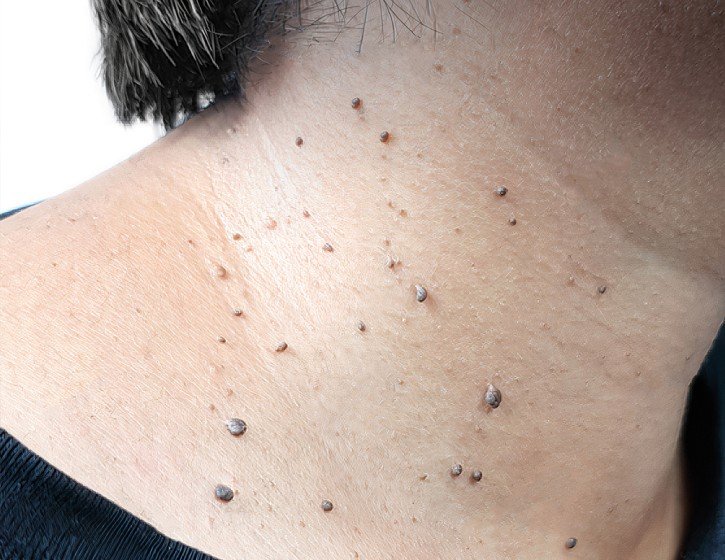
Skin tags are small, soft growths that commonly appear on areas where the skin experiences friction, such as the neck, underarms, eyelids, groin and beneath the breasts. Although they are generally harmless, their appearance can sometimes cause discomfort or affect a person’s confidence, particularly when they develop in visible areas. Some skin tags may also become irritated by clothing, jewellery or regular shaving.
Modern dermatological treatments offer several ways to remove unwanted skin tags, with the most suitable approach depending on their size, location, appearance and individual skin characteristics. Understanding the available techniques can help patients make informed decisions about their treatment and know what to expect during a professional assessment.
At Bodyvie Clinic, patients considering Skin Tag Removal in London can explore treatment options based on their individual concerns. A personalised assessment helps determine whether a particular growth is suitable for removal and which method may provide an appropriate outcome.
What Are Skin Tags and Why Do They Develop?
Skin tags, medically known as acrochordons, are small, non-cancerous growths consisting of loose collagen fibres, blood vessels and surrounding skin. They often appear as soft, flesh-coloured or slightly darker projections attached to the skin by a narrow stalk.
Although their exact cause is not always clear, several factors may contribute to their development. Friction between skin surfaces is commonly associated with skin tags, which explains why they frequently appear around the neck, armpits and groin.
Other contributing factors include:
- Natural ageing and changes in skin structure.
- Genetic tendencies and family history.
- Repeated friction from clothing or jewellery.
- Hormonal changes during certain life stages.
- Metabolic factors that may be associated with skin tag development.
Skin tags can vary considerably in size and shape. Some are extremely small and barely noticeable, while others may grow larger and become more prominent. Their characteristics are important when selecting an appropriate removal technique.
Why Does the Type of Skin Tag Matter When Choosing a Removal Method?
Not every skin tag requires the same treatment approach. A technique that works well for a small growth attached by a narrow stalk may not be the most appropriate choice for a larger or broader skin tag.
Several characteristics influence treatment selection.
Size and thickness: Small, thin skin tags may be suitable for relatively straightforward removal techniques. Larger growths may require a more controlled approach.
Attachment to the skin: Some skin tags have narrow stalks, while others have a wider base. Their attachment influences how a practitioner approaches removal.
Location: Skin tags around the eyelids, neck and underarms require different considerations because the surrounding skin varies in thickness and sensitivity.
Number of growths: Patients with several skin tags may benefit from an assessment that considers their location and whether multiple growths can be treated during the same appointment.
Appearance: A growth that resembles a skin tag may have a different underlying cause. Professional assessment is important before proceeding with removal.
Which Skin Tag Removal Methods Are Available?
Several clinical techniques may be considered for removing skin tags. The choice depends on the characteristics of the growth and the practitioner’s assessment.
Cryotherapy for Selected Small Skin Tags
Cryotherapy involves applying extremely cold temperatures, usually through liquid nitrogen, to a targeted skin growth. The freezing process damages the tissue, allowing the treated area to gradually separate from the surrounding skin.
This technique may be considered for certain small skin tags, depending on their location and appearance.
During treatment, the practitioner applies the freezing agent directly to the growth using an appropriate applicator. The treated area may change in appearance before the skin tag eventually separates.
Cryotherapy is not necessarily suitable for every skin tag. Its effectiveness can depend on the growth’s size, attachment and position. A practitioner will determine whether freezing is an appropriate option following an examination.
Cauterisation for Suitable Skin Tags
Cauterisation uses controlled heat to remove targeted tissue. It may be considered for certain skin tags, particularly those that can be treated using a precise application of energy.
The practitioner focuses the treatment on the unwanted growth while taking care to protect the surrounding skin.
This method may be appropriate for selected skin tags with particular attachment characteristics. The treatment approach is adjusted according to the size and location of the growth.
Cauterisation requires professional expertise, especially when treating delicate areas or skin tags positioned close to sensitive structures.
Surgical Snip Excision for Skin Tags with Narrow Stalks
Snip excision involves removing a skin tag using sterile surgical scissors or another suitable medical instrument.
It is commonly considered for skin tags that have a clearly defined attachment to the skin. The practitioner carefully separates the growth at its base after preparing the treatment area.
For certain skin tags, this approach allows the practitioner to remove the growth directly rather than relying on the tissue to separate gradually.
The procedure is performed in a clinical setting, and local anaesthetic may be used depending on the size, location and treatment requirements.
Snip excision may be particularly suitable when the practitioner needs to remove a distinct growth with a narrow stalk.
Electrosurgery for Selected Skin Growths
Electrosurgery uses electrical energy to generate controlled heat, which can be directed towards targeted tissue.
Depending on the equipment and technique used, it may help remove selected skin tags by treating their attachment to the skin.
The practitioner adjusts the treatment according to the growth’s characteristics and the surrounding tissue.
Electrosurgery may be considered for certain growths that require controlled tissue removal. However, it is not automatically the preferred option for every skin tag, and suitability should be established during consultation.
Which Removal Method Is Suitable for Different Types of Skin Tags?
Understanding how different techniques relate to individual skin tag characteristics can make the treatment selection process easier.
Small Skin Tags on the Neck
Small skin tags around the neck are common, particularly in areas where clothing, necklaces or skin folds create repeated friction.
Depending on their size and attachment, these growths may be suitable for cryotherapy, cauterisation or snip excision.
The practitioner considers the number of growths, their thickness and the surrounding skin before recommending an approach.
Larger Skin Tags with Narrow Stalks
Some skin tags develop a noticeable stalk and extend further away from the skin’s surface.
For suitable growths, snip excision may provide a direct removal approach. The practitioner examines the base and determines whether the growth can be safely separated using this technique.
The size of the stalk and the amount of surrounding tissue are important considerations.
Flat or Broad-Based Skin Tags
Skin tags with a wider attachment may require a more individualised treatment plan.
Their shape can make straightforward snip excision less suitable, depending on the amount of tissue involved. Cauterisation or another controlled technique may be considered following assessment.
The practitioner also needs to establish that the growth is genuinely a skin tag rather than another type of skin lesion.
Skin Tags Around the Eyelids
Eyelid skin is particularly delicate, and growths in this area require careful examination.
A small projection near the eyelid may be a skin tag, but other harmless skin lesions can have a similar appearance.
Treatment selection must take into account the proximity of the eye, the thickness of the surrounding skin and the precise position of the growth. Removal should only be undertaken by an appropriately qualified practitioner with the necessary experience.
Multiple Skin Tags Around the Underarms
Underarm skin tags frequently develop in areas exposed to friction from movement and clothing.
Patients with several growths may require an assessment to determine whether they can be treated during one appointment or whether separate sessions would be more appropriate.
The choice of technique depends on the individual growths rather than simply the number present.
What Happens During a Professional Skin Tag Assessment?
A professional consultation is an important part of the removal process. Before recommending treatment, the practitioner needs to understand the nature of the growth and evaluate its characteristics.
The assessment generally includes examining the size, colour, shape and attachment of the skin tag. Its location and the surrounding skin condition are also considered.
Patients may be asked questions about when the growth first appeared, whether it has changed in appearance and whether it causes irritation.
If a growth has unusual features, such as rapid changes, irregular pigmentation, unexplained bleeding or an uncertain diagnosis, further investigation or referral may be recommended rather than immediate cosmetic removal.
Once the practitioner has assessed the area, they can explain the available techniques and recommend an approach suited to the individual.
How Should You Prepare for Skin Tag Removal?
Preparation depends on the removal method and the location of the growth. However, a few general considerations can help patients prepare for their appointment.
First, avoid attempting to cut, tie off or remove skin tags at home. Professional assessment helps confirm the nature of the growth and establishes whether treatment is appropriate.
Patients should also inform their practitioner about relevant medical history, allergies, current medication and previous skin treatments.
It is helpful to keep the treatment area clean and avoid applying unnecessary cosmetic products immediately before the appointment.
If the growth is located in an area exposed to regular friction, patients can discuss practical ways to minimise irritation while waiting for treatment.
What Happens After Skin Tag Removal?
Aftercare depends on the technique used, the size of the treated area and the location of the skin tag.
The practitioner will provide instructions explaining how to look after the area and maintain appropriate hygiene.
Patients may be advised to keep the treated site clean, avoid unnecessary rubbing and follow any specific wound-care recommendations. The area should be allowed to heal naturally without picking at any developing scab.
The healing process varies between individuals. Smaller treatment areas may settle relatively quickly, while larger or more involved procedures may require additional recovery time.
Follow-up advice can also help patients understand how to monitor the treated area and when to contact the clinic if they have concerns.
Can Skin Tags Return After Removal?
Once an individual skin tag has been completely removed, the same growth generally does not return at that exact site. However, new skin tags may develop in other areas over time.
This is because removal addresses existing growths rather than necessarily changing the factors associated with their development.
People who naturally develop multiple skin tags may notice new ones appearing around the neck, underarms or other skin folds.
Maintaining comfortable skin conditions and reducing repeated friction may help minimise irritation, although these measures cannot guarantee that new skin tags will not develop.
Choosing a Suitable Skin Tag Removal Clinic in London
Selecting an appropriate clinic is an important part of achieving a treatment approach that meets individual needs.
Patients researching Skin Tag Treatment London should look beyond the removal technique itself and consider the quality of the assessment, the practitioner’s qualifications and the clinic’s approach to patient care.
A suitable clinic should be able to explain why a particular method is recommended, what the procedure involves and how the treated area should be cared for afterwards.
Patients may also wish to discuss whether the growth needs further examination before removal, especially if its appearance is unusual.
At Bodyvie Clinic, individuals exploring treatment options can discuss their concerns and receive guidance based on the characteristics of their skin growths.
When comparing a Skin Tag Removal Clinic London, it is worth prioritising professional assessment and an individualised treatment plan rather than assuming that one removal method is suitable for everyone.
Conclusion
Skin tags vary in size, shape, thickness and location, which means their removal requires an approach tailored to each individual growth. Cryotherapy, cauterisation, snip excision and electrosurgery are among the techniques that may be considered, depending on the clinical characteristics of the skin tag.
Small growths, larger stalked skin tags and broad-based lesions may require different treatment considerations. Delicate areas, particularly around the eyelids, also need additional care and professional expertise.
A proper assessment helps confirm whether a growth is a skin tag and identifies the most appropriate removal method. For individuals considering Skin Tag Removal in London, Bodyvie Clinic offers an opportunity to discuss their concerns and explore suitable treatment options based on their individual skin needs.
Frequently Asked Questions
1. What is the most suitable method for removing small skin tags?
Small skin tags may be suitable for cryotherapy, cauterisation or snip excision. The most appropriate method depends on their size, attachment and location. A professional assessment helps determine which technique is suitable.
2. Can larger skin tags be removed using snip excision?
Yes, certain larger skin tags may be suitable for snip excision, particularly when they have a clearly defined stalk. The practitioner examines the attachment and surrounding skin before deciding whether this technique is appropriate.
3. Is cryotherapy suitable for every type of skin tag?
No. Cryotherapy may be suitable for selected small skin tags, but larger, thicker or differently shaped growths may require another approach. Treatment suitability depends on an individual assessment.
4. Can skin tags be removed from the eyelids?
Skin tags around the eyelids can sometimes be removed, but this area requires particular care because the surrounding skin is delicate and close to the eyes. An appropriately qualified practitioner should assess the growth and determine a suitable treatment approach.
5. How long does skin tag removal take?
The treatment duration depends on the size, number and location of the growths, as well as the technique selected. Removing a single small skin tag may take only a short appointment, while multiple or more involved treatments may require additional time.
6. Can multiple skin tags be removed during one appointment?
In many cases, several skin tags can be assessed and potentially treated during the same appointment. Whether this is appropriate depends on their number, location, size and the chosen removal technique.
7. Do skin tags grow back after removal?
A completely removed skin tag generally does not return at the same site. However, new skin tags can develop elsewhere, particularly in areas exposed to repeated friction.
8. Is professional assessment necessary before skin tag removal?
Yes. A practitioner should examine the growth before removal to confirm that it is likely to be a skin tag. Other skin conditions can sometimes have a similar appearance, and uncertain or unusual lesions may require further investigation.
9. How should I care for my skin after removal?
Aftercare depends on the technique used. Patients are generally advised to keep the treated area clean, avoid rubbing or picking the site and follow the practitioner’s specific instructions. Appropriate aftercare supports the healing process.
10. Where can I find a clinic for Skin Tag Removal in London?
Patients researching Skin Tag Removal in London can contact Bodyvie Clinic to discuss their concerns and explore available treatment options. A consultation can help establish whether removal is appropriate and which technique may be suitable for their skin tags.