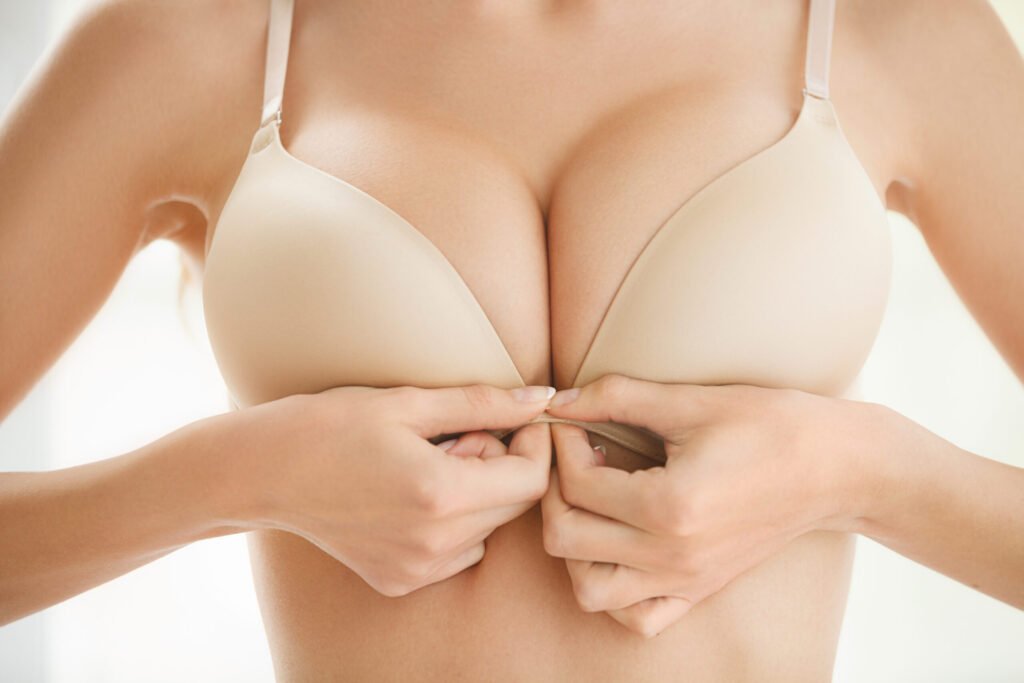
Breast augmentation is a personal decision that involves more than choosing an implant size. While many people focus on achieving a particular cup size, the most satisfying results often come from selecting implants that complement the body’s natural proportions. Every individual has a different body frame, shoulder width, chest structure, breast tissue distribution, and overall silhouette. These characteristics play an important role in determining which implant size, shape, and profile may be appropriate.
When considering Breast Augmentation Dubai, understanding the relationship between body proportion and implant selection can help patients develop realistic expectations and make informed decisions. An implant that looks balanced on one person may appear quite different on someone with a narrower chest or a broader frame. Therefore, the selection process should be based on individual anatomy rather than measurements or preferences alone.
At Cornerstone Clinic, breast augmentation planning involves considering personal aesthetic goals alongside anatomical features. Understanding these factors allows patients to explore suitable implant options and work towards results that complement their natural appearance.
Why Does Body Proportion Matter in Breast Augmentation?
Body proportion refers to how different parts of the body relate to one another. In breast augmentation, this includes the relationship between breast volume, shoulder width, chest circumference, waist shape, and hip measurements.
For example, someone with a petite frame may find that a smaller implant creates the fullness they want without overwhelming their overall silhouette. In comparison, someone with broader shoulders or a wider chest may prefer a different implant volume to achieve a similar visual effect.
Body proportion also influences how breast volume appears from different angles. An implant may create noticeable fullness from the front but produce a different profile when viewed from the side.
Considering these differences helps surgeons avoid relying on implant volume as the only measurement of suitability. Instead, the objective is to create breast contours that fit naturally with the patient’s existing anatomy.
How Does Chest Width Influence Implant Selection?
Chest width is one of the most important anatomical measurements considered during breast augmentation planning. It helps determine the appropriate implant diameter and how much space is available for the implant within the natural breast boundaries.
Patients with narrower chests generally have less horizontal space available for implant placement. Choosing an implant that is too wide may extend beyond the natural breast footprint, potentially creating an appearance that does not align with the patient’s preferred proportions.
A wider chest may accommodate a broader implant, depending on the existing breast tissue and other anatomical measurements.
Surgeons assess the distance between the breasts, the natural breast base width, and the position of the breast folds when evaluating suitable options. These measurements help establish a starting point for implant selection.
Rather than choosing an implant simply because it has a particular volume in cubic centimetres, patients benefit from understanding how its width relates to their individual chest structure.
Does Shoulder Width Affect the Desired Breast Appearance?
Shoulder width contributes to the overall visual balance of the upper body. It can influence how breast volume is perceived in relation to the arms, upper chest, and waist.
For individuals with narrow shoulders, moderate breast enhancement may create a balanced appearance while maintaining the natural lines of the upper body. Patients with broader shoulders may have different aesthetic preferences, including a desire for more visible fullness.
However, shoulder width should not determine implant size independently. Breast base width, skin elasticity, existing tissue, and the patient’s desired outcome remain important considerations.
During consultation, discussing how the breasts should complement the shoulders and upper body can help establish a clearer aesthetic direction. Photographs and anatomical measurements may also support communication between the patient and surgeon.
How Does Existing Breast Tissue Influence Implant Size?
Natural breast tissue affects how an implant looks and feels after augmentation. Patients begin with different amounts of breast tissue, skin coverage, and natural breast projection.
Someone with more existing breast tissue may achieve their desired fullness with a different implant volume compared with someone who has a smaller natural breast volume.
The amount of tissue covering the implant also influences the final appearance. Natural tissue contributes to the breast contour and can affect how clearly implant edges are visible.
Skin elasticity is another important consideration. The skin needs to accommodate the selected implant while maintaining a suitable breast shape. A surgeon therefore evaluates tissue characteristics before recommending an implant size.
This assessment helps ensure that implant selection reflects the patient’s anatomy rather than focusing exclusively on the amount of enlargement requested.
What Role Does Waist and Hip Proportion Play?
Breast augmentation is not only about the upper body. The relationship between the bust, waist, and hips contributes to the overall silhouette.
For example, patients with narrower waists may prefer breast enhancement that creates a more defined contrast between the upper and lower body. Others may want a subtle increase in breast volume that maintains their existing proportions.
Hip width can also influence aesthetic preferences. Some patients prefer a fuller bust to complement wider hips, while others prioritise a balanced and understated appearance.
These preferences are subjective, which is why there is no universal implant size that suits a particular body type.
During a Breast Augmentation Dubai consultation, discussing the patient’s preferred silhouette can help the surgeon understand whether the desired result involves subtle enhancement, increased fullness, or a more noticeable change in breast projection.
How Do Implant Profiles Influence Body Proportions?
Implant profile describes how far an implant projects forward in relation to its base width. Different profiles can create different breast shapes, even when the implants have similar volumes.
Understanding implant profiles helps patients appreciate why two implants with the same volume may produce different visual outcomes.
Low and Moderate Profile Implants
Lower and moderate profile implants generally have a wider base relative to their projection. They may be considered when the patient’s chest width and aesthetic goals support a more distributed appearance.
These options can be discussed with patients who prefer a softer increase in breast fullness rather than prominent forward projection.
High Profile Implants
High profile implants generally have a narrower base and greater forward projection compared with lower-profile options of similar volume.
They may be considered for patients whose chest dimensions and desired breast shape make additional projection appropriate.
However, a higher profile does not automatically produce a better result. The surgeon must consider breast base width, tissue coverage, and the overall proportions of the upper body.
Choosing the Appropriate Profile
The most suitable implant profile depends on the patient’s measurements and aesthetic preferences. A surgeon may compare different implant dimensions to explain how each option could influence the breast shape.
This approach makes the decision more individualised and helps patients understand the difference between implant volume and implant projection.
Should Petite Patients Choose Smaller Breast Implants?
Petite patients sometimes assume that they must select the smallest available implants. Although a smaller frame can influence implant dimensions, body height alone does not determine the appropriate size.
Two patients of similar height may have different chest widths, breast tissue volumes, and skin characteristics. Consequently, their implant recommendations may also differ.
For a petite patient, the surgeon may pay particular attention to the relationship between implant diameter and breast base width. The aim is to achieve the requested enhancement without creating a shape that appears disproportionate to the chest.
Patients should also consider their lifestyle and clothing preferences. Some may prefer a subtle enhancement that fits comfortably with their existing appearance, while others may want a more noticeable change.
The decision should reflect individual anatomy and personal goals rather than a general rule about petite body types.
How Does Body Shape Influence Implant Shape Selection?
Implant shape is another factor that can influence the final breast contour. Depending on the available implant options, patients may discuss round and anatomical shapes with their surgeon.
Round implants generally provide fullness across the upper and lower portions of the breast. The degree of upper-pole fullness depends on the implant design, dimensions, and placement.
Anatomical implants are designed with a more tapered upper contour and fuller lower portion. Their suitability depends on the patient’s existing breast shape and desired outcome.
Neither option is automatically better for a particular body type. The surgeon must assess the natural breast footprint, tissue characteristics, chest structure, and aesthetic preferences before discussing suitable choices.
Understanding these differences helps patients focus on the overall shape they want to achieve rather than selecting an implant based on appearance alone.
What Should Patients Discuss During a Breast Augmentation Consultation?
A detailed consultation is an important part of the implant selection process. It allows the surgeon to assess the patient’s anatomy, understand their expectations, and discuss available options.
Patients considering breast enhancement should discuss:
- Their preferred breast size and overall appearance.
- Existing breast shape and natural tissue volume.
- Chest width and breast base measurements.
- Shoulder, waist, and hip proportions.
- Desired breast projection and fullness.
- Suitable implant profiles and shapes.
- Lifestyle considerations and clothing preferences.
- Their expectations regarding the final breast appearance.
Patients may also find it helpful to bring reference photographs. These images can communicate aesthetic preferences, although the surgeon will need to explain how individual anatomy may influence the achievable outcome.
The consultation should provide enough information for patients to understand the reasoning behind the recommended implant dimensions.
Understanding Breast Augmentation Cost in Dubai
The overall cost of breast augmentation can vary depending on several factors. Implant selection is one consideration, but the complete treatment plan and individual surgical requirements also influence the final price.
When researching Breast Augmentation cost in Dubai, patients should consider the services included in the quoted amount rather than comparing prices alone.
Factors that may influence the overall cost include:
- The type and brand of implants selected.
- The surgeon’s experience and professional fees.
- Hospital or surgical facility charges.
- Anaesthesia and related services.
- Pre-operative assessments.
- Follow-up appointments and post-operative care.
The most appropriate way to understand the expected cost is through an individual consultation. This allows the clinic to assess the patient’s requirements and provide information about the proposed treatment plan and associated fees.
Patients should prioritise understanding the quality of care, implant suitability, and treatment details when evaluating their options.
Why Personalised Implant Planning Matters
Breast augmentation should not follow a standard size recommendation for every patient. Even when two individuals request a similar cup size, their anatomical measurements may lead to different implant recommendations.
Personalised planning considers the complete relationship between the chest, breasts, shoulders, and overall body shape. It also takes into account the patient’s preferences regarding fullness, projection, and natural appearance.
At Cornerstone Clinic, patients can discuss their expectations and explore suitable implant options through an individual assessment. Understanding the connection between body proportion and implant selection helps make the decision more informed and realistic.
Conclusion
Body proportion plays an important role in selecting breast implants because every individual has a different anatomical structure and aesthetic preference. Chest width, shoulder measurements, natural breast tissue, waist and hip proportions, and skin elasticity all contribute to how an implant may look after surgery.
Choosing an implant based only on volume or cup size may overlook important differences in breast dimensions and overall body shape. Instead, patients should consider implant width, profile, shape, and projection as part of a personalised treatment plan.
For anyone considering Breast Augmentation Dubai, a detailed consultation provides an opportunity to understand which implant options may complement their anatomy and support their desired appearance. At Cornerstone Clinic, discussing individual goals alongside anatomical measurements can help patients approach breast augmentation with greater clarity and realistic expectations.
Frequently Asked Questions
1. Why is body proportion important when choosing breast implants?
Body proportion helps determine how implant size, width, and projection relate to the patient’s natural anatomy. Considering chest width, shoulders, waist, and hips can help create a balanced breast appearance.
2. Does chest width determine the correct breast implant size?
Chest width is an important factor because it helps establish the suitable implant diameter. However, the surgeon also considers natural breast tissue, skin elasticity, existing breast shape, and personal preferences.
3. Can petite women choose larger breast implants?
Petite women may have different implant options depending on their individual anatomy. Height alone does not determine suitability. Chest width, breast base measurements, and tissue characteristics are also important.
4. What is the difference between implant volume and implant profile?
Implant volume refers to the amount of space an implant occupies, usually measured in cubic centimetres (cc). Profile describes how far the implant projects forward relative to its base width.
5. Do wider shoulders require larger breast implants?
Not necessarily. Wider shoulders may influence the patient’s preferred breast proportions, but implant selection depends on several anatomical measurements rather than shoulder width alone.
6. Which breast implant profile looks the most natural?
There is no single profile that produces the most natural appearance for everyone. Moderate, high, and other available profiles may create different contours depending on the patient’s chest dimensions and existing breast tissue.
7. Does natural breast tissue affect implant selection?
Yes. Existing breast tissue influences implant coverage and the final breast contour. Patients with different amounts of natural tissue may require different implant dimensions to achieve their preferred appearance.
8. Can breast implants improve overall body proportions?
Breast augmentation can change the relationship between breast volume and other body measurements. The extent of this visual change depends on the selected implant, natural anatomy, and individual aesthetic goals.
9. How is the appropriate breast implant size determined?
The surgeon evaluates chest width, breast base dimensions, natural tissue, skin elasticity, and the patient’s desired outcome. These measurements help guide implant size and profile recommendations.
10. How much does breast augmentation cost in Dubai?
The Breast Augmentation cost in Dubai varies according to implant type, surgeon’s fees, surgical facility, anaesthesia, and other treatment-related services. An individual consultation is the best way to receive an accurate cost estimate.
11. Should patients choose implant size based on cup size?
Cup size can help communicate aesthetic preferences, but it is not a precise measurement for implant selection. Different bra manufacturers also use different sizing systems, so anatomical measurements provide a more useful starting point.
12. Where can I discuss breast implant options in Dubai?
Patients can arrange a consultation at Cornerstone Clinic to discuss their aesthetic goals, anatomical measurements, and available breast augmentation options. An individual assessment can help establish a suitable treatment plan.