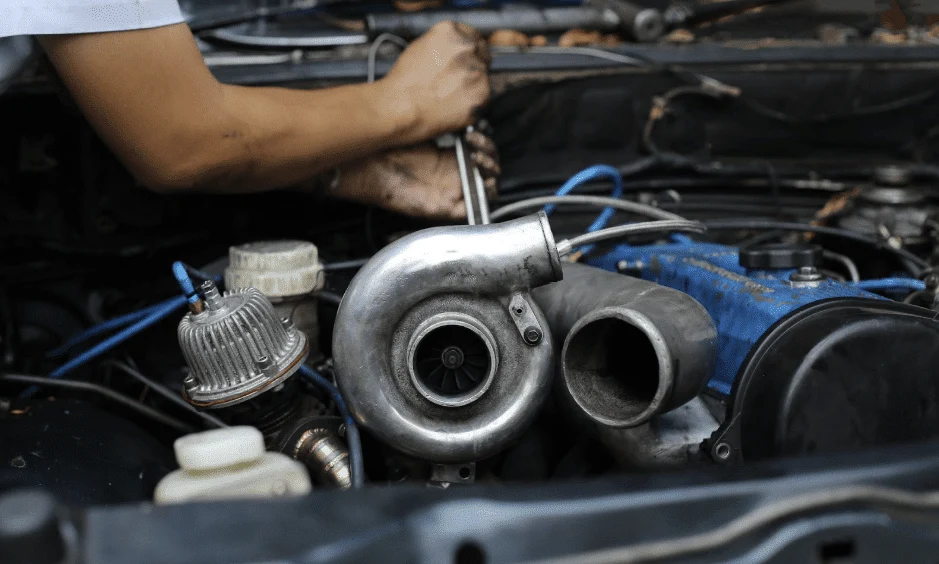
Common Turbo Problems and When to Replace Them
Opting for a professional Turbo Replacement becomes your only option when severe internal component wear ruins your engine power. Spotting early turbo failure symptoms can save you from a massive repair bill on British roads today. Issues like an oil leak from turbocharger seals or a loud turbo whistle noise require immediate mechanical attention.
Proper diagnostics ensure you achieve the required engine airflow improvement while avoiding a complete breakdown. Driving with a broken forced induction system will quickly destroy your vehicle beyond simple car turbo repair methods. This comprehensive guide covers everything you need to know about turbine problems and replacement timelines.
The Most Common Signs of a Dying Turbocharger
Recognising the early warnings of a failing unit will keep your car running safely and smoothly. You will usually feel a sudden, frustrating drop in acceleration when overtaking on the motorway. A distinctive turbo whistle noise under heavy acceleration indicates that the internal compressor wheels are struggling. You might also spot thick blue or grey smoke billowing out of your exhaust pipe. These clear turbo failure symptoms mean your vehicle needs immediate inspection by an experienced local mechanic. Ignoring these signs always leads to catastrophic engine damage that costs thousands of pounds to fix.
What Causes Forced Induction Units to Fail?
Turbines operate at incredibly high speeds and extreme temperatures during everyday driving conditions across the UK. Lack of proper lubrication is the primary culprit behind most physical component breakdowns today. When clean oil stops flowing, intense friction destroys the precision internal bearings within seconds. Foreign debris entering the front housing also causes instant impact damage to spinning compressor blades. Let us look at the main reasons behind these common mechanical failures in detail.
| Failure Cause | Primary Trigger | Impact on the Car |
| Lack of Lubrication | Low oil levels or blocked feeds | Bearing failure and metal friction |
| Oil Contamination | Dirty oil and carbon deposits | Scratched components and heavy wear |
| Foreign Objects | Debris from the air intake | Shattered compressor wheels |
| Over-speeding | Engine leaks or poor tuning | Extreme heat cracking the housing |
The Dangers of an Oil Leak From Turbocharger Seals
An oil leak from turbocharger seals is a serious issue that requires your urgent attention. When internal seals degrade, oil slips into the hot exhaust system and burns away rapidly. This problem starves the spinning turbine shaft of the vital lubrication it needs to survive. Frictional heat builds up instantly and warps the delicate metal components beyond any recognition. Ensuring your engine has fresh oil is the easiest way to prevent this trouble. Regular maintenance protects the delicate internal components from experiencing premature and costly structural failure.
When Can You Opt for Car Turbo Repair?
A simple car turbo repair is often possible if the main housing remains completely intact. Wastegate problems or loose actuators can usually be fixed without throwing the whole unit away. If the internal bearings have minor wear, a specialist workshop can rebuild them easily. This budget-friendly option saves you a lot of money compared to buying brand-new parts. However, a repair is only a viable choice if caught before total component failure. You must act quickly the moment your vehicle displays any unusual driving characteristics.
Realising the Benefits of Engine Airflow Improvement
Fitting a fresh turbine delivers a massive engine airflow improvement to your everyday driving experience. Brand-new components compress intake air efficiently, giving your vehicle its original factory power back. Fuel economy improves significantly because the engine does not have to work as hard. Harmful exhaust emissions drop back down to legal UK road standards, passing the MOT easily. Your car will feel responsive, reliable, and much safer during short or long journeys. Investing in a quality Turbo Replacement ensures your peace of mind for many years.
When Is a Full Turbo Replacement Essential?
A total Turbo Replacement becomes absolutely essential when the outer metal housing suffers structural cracks. If the compressor wheel shatters, metal fragments can fly directly into the engine cylinders. This catastrophic event will destroy your entire engine block, leaving you stranded on the roadside. Massive oil contamination will also ruin your expensive catalytic converter or diesel particulate filter quickly. In these severe scenarios, trying to patch up old parts is completely useless. Installing a premium replacement unit is the only safe way to restore your car.
Conclusion
Taking care of your forced induction system is vital for maintaining vehicle reliability. Catching issues early prevents a minor fault from turning into a total mechanical disaster. Whether you need a simple fix or a complete Turbo Replacement, act without delay. Professional diagnostics will guide you toward the right repair option for your specific car. Keep up with your servicing schedule to enjoy smooth motoring across the UK.
FAQs
- What are the first signs of a failing turbocharger?
The earliest turbo failure symptoms include severe power loss and sluggish acceleration during normal driving. You will also notice the car struggles to maintain boost pressure on steep hills. A mechanic should inspect the vehicle immediately to prevent further internal mechanical damage.
- Can I drive with a loud turbo whistle noise?
You should avoid driving your car if you hear a loud turbo whistle noise regularly. This sound usually means the compressor blades are rubbing against the outer metal housing. Continued driving will cause the unit to shatter and destroy your engine completely.
- How much does a full Turbo Replacement cost in the UK?
The total cost of a Turbo Replacement varies between five hundred and two thousand pounds. This pricing depends on your specific vehicle make, model, and local workshop labour rates. Always choose high-quality components that come with a comprehensive nationwide warranty for safety.
- Can an oil leak from turbocharger seals be fixed easily?
An oil leak from turbocharger seals requires a professional rebuild or a full unit swap. The internal seals cannot be replaced without dismantling the entire delicate turbine housing assembly. Ignoring the leak will quickly starve the bearings and cause total system lockup.
- Is a car turbo repair always cheaper than a replacement?
A basic car turbo repair is cheaper if the damage is limited to external components. However, severely damaged internals cost more to rebuild than buying a fresh exchange unit. A qualified specialist technician will advise you on the most cost-effective path forward.
- How does a new unit provide engine airflow improvement?
A new unit provides excellent engine airflow improvement by forcing clean oxygen into the combustion chambers. This efficient process ensures the fuel burns completely, maximizing power output and reducing waste. Your vehicle will instantly regain its original factory performance and throttle response.
- How long should a standard car turbocharger last?
A well-maintained turbine can easily last for over one hundred thousand miles of driving. However, neglecting oil changes or ignoring minor issues will shorten this lifespan significantly. Regular vehicle servicing is key to keeping the system healthy and functional.
- What happens if metal fragments enter the engine?
Metal fragments from a broken compressor wheel will score cylinder walls and bend internal valves. This scenario leads to total engine failure, requiring a complete vehicle engine swap. Opting for a timely Turbo Replacement prevents this catastrophic damage from ever occurring.
- Why is dirty engine oil bad for my turbocharger?
Dirty oil contains abrasive carbon deposits that scratch the precision bearings inside the unit. This block blocks the narrow oil feed pipes, leading to instant lubrication starvation. Regular oil changes are the best way to prevent these severe issues.
- Does a failing turbo cause the check engine light to turn on?
Yes, modern cars will activate the check engine light when boost pressure drops. The onboard computer detects irregular turbo failure symptoms and stores a specific fault code. A diagnostic scan will quickly reveal whether the turbine is causing the issue.