Why Pakistan Rock Salt Wins Global Markets
Introduction
When you think about salt, you might picture the shaker on your dinner table or perhaps those trendy pink crystals that have taken the culinary world by storm. But have you ever wondered where these beautiful pink minerals actually come from? Pakistan has emerged as one of the world’s leading producers of rock salt, and there’s a fascinating story behind why this South Asian nation has captured such a significant share of the global market.
The salt industry in Pakistan isn’t just about mining minerals from the ground—it’s about heritage, quality, and geological advantages that few other countries can match. From ancient deposits formed millions of years ago to modern extraction techniques, Pakistan’s rock salt has become a household name across continents. Let’s dive into the reasons why Pakistani rock salt has won over global markets and continues to dominate international trade.
The Geological Advantage: Nature’s Perfect Recipe
Ancient Deposits Dating Back Millions of Years
Pakistan’s salt deposits weren’t formed overnight. These remarkable mineral reserves date back approximately 600 million years to the Precambrian era. During this time, a shallow sea covered what is now the Salt Range in Punjab province. As this ancient sea evaporated over millennia, it left behind thick layers of crystallized salt that have been preserved and compressed deep within the earth.
This geological history is crucial because it means the salt formed in an era long before modern pollution and industrial contamination. The purity of these ancient deposits is exceptional, and this natural advantage is something that cannot be replicated artificially. When a salt exporter in Pakistan sends shipments around the world, they’re essentially delivering minerals that have been naturally preserved for eons, untouched by the environmental concerns that affect more recently formed deposits.
The Khewra Salt Mine: A Natural Wonder
The Khewra Salt Mine, located in the foothills of the Salt Range, is the second-largest salt mine in the world and Pakistan’s largest. This isn’t just an industrial site—it’s a geological marvel. The mine extends over 300 meters below ground and features tunnels stretching for miles, with salt walls that shimmer in shades of pink, red, and white.
What makes Khewra particularly special is the mineral composition of its salt. The distinctive pink color comes from trace minerals like iron, magnesium, and calcium, which not only give the salt its aesthetic appeal but also contribute to its purported health benefits. This natural mineral content sets Pakistani rock salt apart from the heavily processed white table salt found in most grocery stores.
Superior Quality and Unique Characteristics
The Pink Hue That Captured the World
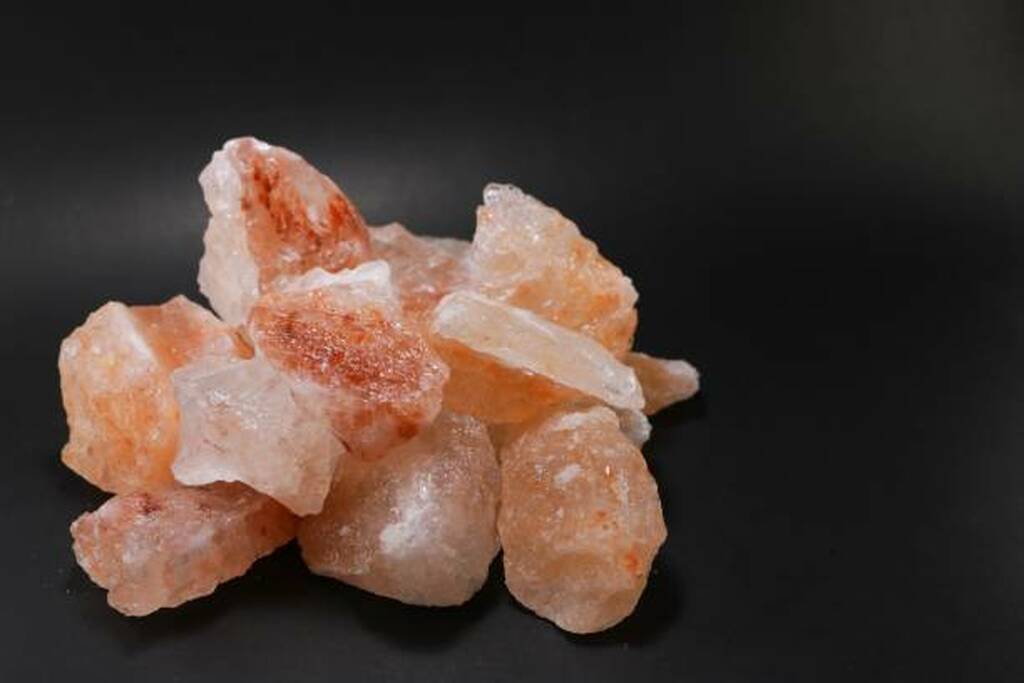
There’s no denying that aesthetics matter in today’s market, and Pakistani rock salt’s natural pink color has become its signature feature. This isn’t artificial coloring or a marketing gimmick—it’s the genuine result of mineral content that varies from deposit to deposit. The pink tones range from light salmon to deep rose, and each chunk of salt tells its own geological story.
This visual appeal has made Pakistani rock salt a favorite not just in kitchens but also in wellness centers, spas, and even home décor. Salt lamps carved from these pink crystals have become incredibly popular worldwide, creating an entirely new market segment. Every salt exporter in Pakistan understands that this distinctive appearance is one of their strongest selling points in international markets.
Mineral Content and Purity Standards
Beyond its pretty appearance, Pakistani rock salt boasts an impressive mineral profile. Unlike refined table salt, which is stripped of most minerals during processing and often contains anti-caking agents, rock salt from Pakistan retains up to 84 different trace minerals. These include potassium, magnesium, calcium, and iron—all elements that contribute to both flavor and potential nutritional value.
The purity of Pakistani rock salt is another factor that wins over international buyers. Because these deposits formed in ancient times and remain deep underground, they’re protected from modern environmental pollutants. Testing consistently shows low levels of contaminants, meeting strict international food safety standards. This purity means less processing is required, which appeals to consumers increasingly interested in natural, minimally processed foods.
Economic Factors Driving Global Competitiveness
Cost-Effective Production and Mining
One of the reasons Pakistan has become so competitive in global salt markets is the cost-effectiveness of its mining operations. The Salt Range contains some of the most accessible and abundant rock salt deposits in the world, which translates to lower extraction costs compared to many other countries. Modern mining techniques combined with relatively low operational expenses allow Pakistani producers to offer competitive pricing without compromising quality.
This economic advantage isn’t about cutting corners—it’s about geographic and geological luck. When salt deposits are this abundant and accessible, it naturally reduces the cost per ton extracted. For international buyers, this means they can source premium quality rock salt at prices that make business sense, which is why demand continues to grow year after year.
Strategic Location and Export Infrastructure
Pakistan’s geographic location provides strategic advantages for export operations. Situated between South Asia, Central Asia, and the Middle East, the country offers relatively easy access to major maritime trade routes through the Arabian Sea. The port of Karachi serves as a major hub for salt exports, connecting Pakistani producers to markets across Asia, Europe, Africa, and the Americas.
Over the years, Pakistan has invested in improving its export infrastructure, making it easier for a salt exporter in Pakistan to move product from mine to international destination efficiently. Better roads connecting mining regions to ports, improved customs procedures, and established relationships with international shipping companies all contribute to Pakistan’s competitiveness in the global salt trade.
Meeting Diverse International Demands
Culinary Applications Across Cultures
The global food industry has embraced Pakistani rock salt with enthusiasm. Chefs and food manufacturers appreciate its mineral complexity, which provides a more nuanced flavor profile than standard table salt. In fine dining establishments from Tokyo to New York, you’ll find Pakistani pink salt being used for everything from seasoning grilled meats to finishing artisanal chocolates.
The coarse texture of rock salt also makes it ideal for specific culinary techniques. It’s perfect for salt crusting fish or meat, creating salt blocks for cooking and serving, and adding texture to bread or pretzel toppings. This versatility has made it indispensable in professional kitchens and increasingly popular among home cooks who want to elevate their cooking game.
Industrial and Wellness Markets
Beyond the kitchen, Pakistani rock salt serves numerous industrial and wellness applications. The chemical industry uses it in various manufacturing processes, while water treatment facilities rely on it for softening systems. In recent years, the wellness industry has driven significant demand for salt products, from bath salts to salt therapy room construction.
Salt lamps, salt inhalers, and salt scrubs have created entirely new product categories, and Pakistani producers have been quick to adapt to these market opportunities. Each salt exporter in Pakistan has likely diversified their product range to meet these varied demands, recognizing that the global market for rock salt extends far beyond the dining table.
Sustainability and Future Outlook
Responsible Mining Practices
As global consumers become more environmentally conscious, sustainable sourcing has become a critical factor in purchasing decisions. Pakistani salt mining operations have begun adopting more sustainable practices, recognizing that responsible resource management ensures long-term viability. The vast reserves in the Salt Range mean that with proper management, these deposits can continue supplying global markets for centuries to come.
Environmental considerations extend to minimizing the footprint of mining operations, rehabilitating mined areas, and ensuring worker safety. While there’s always room for improvement, the industry’s movement toward more sustainable practices helps maintain Pakistan’s reputation in international markets where corporate responsibility matters to buyers.
Expanding Market Opportunities
The future looks bright for Pakistan’s rock salt industry. Growing health consciousness worldwide continues to drive demand for natural, unprocessed alternatives to refined table salt. The popularity of Himalayan-style pink salt shows no signs of waning, and new applications continue to emerge. From gourmet food products to architectural features in high-end spas, the uses for Pakistani rock salt keep expanding.
Innovation in product development also plays a role. Pakistani producers are exploring value-added products like flavored salts, specialty grinds for specific applications, and even pharmaceutical-grade salt products. This diversification strategy helps insulate the industry from market fluctuations and opens doors to premium market segments.
Conclusion
Pakistan’s dominance in the global rock salt market isn’t accidental—it’s the result of exceptional geological advantages, superior product quality, economic competitiveness, and strategic positioning. From the ancient deposits of the Salt Range to modern shipping containers crossing oceans, Pakistani rock salt has earned its place in kitchens, spas, and industries around the world.
The combination of natural purity, distinctive appearance, mineral richness, and competitive pricing creates a value proposition that’s hard for other producers to match. As international demand for natural, minimally processed food products continues to grow, Pakistan’s rock salt industry is well-positioned to maintain and even expand its global market share. Whether you’re a chef seeking the perfect finishing salt, a spa owner creating a wellness experience, or an industrial buyer needing reliable supply, the advantages offered by Pakistani rock salt are clear and compelling. The global market has spoken, and Pakistan’s rock salt has won.