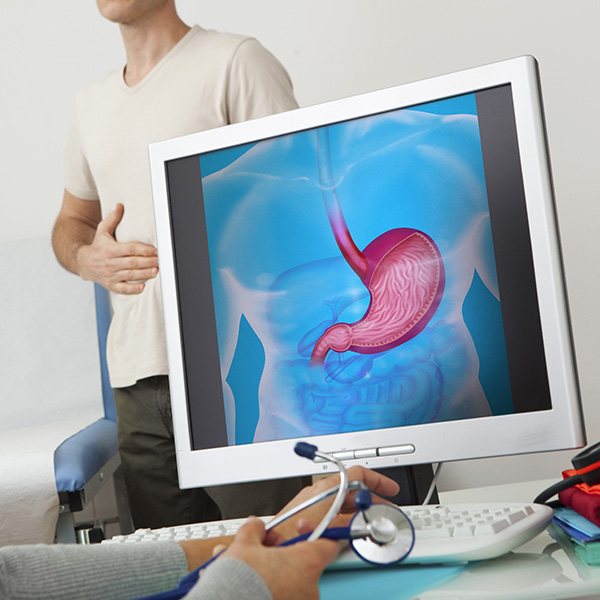
Our digestive system plays a vital role in overall health, helping our body process food and absorb nutrients. When something goes wrong in this system, it can cause discomfort, pain, or even serious illness. Many people experience digestive problems such as stomach pain, indigestion, or bloating, but not everyone knows when to seek professional help. Understanding the common digestive issues and knowing when to see a specialist is the first step toward maintaining good gut health.
If you are dealing with persistent stomach pain, heartburn, or unexplained weight loss, consulting a stomach doctor in dubai can help identify the root cause and provide effective treatment. These specialists focus on conditions affecting the stomach, intestines, liver, pancreas, and esophagus.
Common Stomach Problems
Stomach issues can vary from mild discomfort to serious medical conditions. Here are some of the most common problems that a stomach doctor treats:
1. Gastritis
Gastritis is the inflammation of the stomach lining. It can be caused by excessive use of painkillers, alcohol consumption, stress, or bacterial infection like Helicobacter pylori. Symptoms include:
- Burning pain in the upper abdomen
- Nausea and vomiting
- Loss of appetite
- Feeling full quickly after eating
If left untreated, gastritis can lead to ulcers or stomach bleeding. A stomach doctor may recommend lifestyle changes, medications to reduce stomach acid, or antibiotics to treat infections.
2. Stomach Ulcers
Ulcers are open sores that develop on the stomach lining or the upper part of the small intestine. They can cause severe pain, especially between meals or at night. Other signs include:
- Heartburn or indigestion
- Nausea
- Vomiting blood or having dark stools
Treatment for ulcers often includes medications that reduce acid, antibiotics if bacteria are involved, and lifestyle adjustments such as avoiding spicy foods and quitting smoking. Regular monitoring by a specialist ensures that ulcers heal properly and do not lead to complications.
3. Acid Reflux and GERD
Acid reflux occurs when stomach acid flows back into the esophagus, causing heartburn and discomfort. Gastroesophageal reflux disease (GERD) is a more severe and chronic form of reflux. Symptoms include:
- Burning sensation in the chest
- Regurgitation of food or sour liquid
- Difficulty swallowing
Managing acid reflux often involves dietary changes, medications to reduce acid production, and avoiding triggers such as coffee, alcohol, or late-night meals. A stomach doctor can help develop a tailored plan to manage symptoms and prevent long-term damage.
4. Indigestion (Dyspepsia)
Indigestion refers to discomfort or pain in the upper abdomen after eating. It is often accompanied by bloating, nausea, or belching. Common causes include overeating, fatty foods, or stress. While indigestion is usually not serious, persistent symptoms may indicate underlying conditions like ulcers, GERD, or gallstones, which require professional evaluation.
5. Irritable Bowel Syndrome (IBS)
IBS is a functional disorder that affects the large intestine. Patients may experience abdominal pain, bloating, diarrhea, or constipation. Though IBS does not cause permanent damage, it can significantly affect quality of life. Treatment focuses on dietary management, stress reduction, and medications to relieve symptoms. A stomach doctor can help identify triggers and guide long-term management.
6. Food Intolerances and Allergies
Some stomach issues result from the body’s reaction to certain foods. Common intolerances include lactose intolerance or gluten sensitivity. Symptoms often involve bloating, gas, diarrhea, and stomach pain. Identifying and eliminating trigger foods, along with guidance from a stomach doctor, can greatly improve comfort and digestion.
7. Stomach Infections
Bacterial, viral, or parasitic infections can affect the stomach and intestines, causing acute symptoms like vomiting, diarrhea, fever, and abdominal cramps. In some cases, these infections may require antibiotics or other targeted treatments. Early consultation with a specialist ensures proper diagnosis and faster recovery.
When to See a Stomach Doctor
It can be difficult to decide when to consult a specialist. Some digestive issues resolve with home care, but persistent or severe symptoms should not be ignored. Signs that you need professional evaluation include:
- Persistent or severe abdominal pain
- Unexplained weight loss
- Vomiting blood or black stools
- Difficulty swallowing
- Chronic heartburn or acid reflux
- Ongoing nausea or vomiting
A stomach doctor in Dubai can perform tests, provide accurate diagnosis, and recommend treatment plans suited to your specific condition.
Diagnostic Tests for Stomach Issues
To identify the cause of stomach problems, doctors use various diagnostic tools, such as:
- Endoscopy: A thin tube with a camera examines the stomach and esophagus. It helps detect ulcers, inflammation, or growths.
- Ultrasound and CT Scans: Imaging tools that evaluate organs like the liver, pancreas, and gallbladder.
- Blood Tests: Can detect infections, anemia, or other underlying issues.
- Stool Tests: Used to check for infections or digestive problems.
- Breath Tests: Can identify bacterial infections such as H. pylori.
These tests help the stomach doctor provide precise treatment and prevent complications.
Treatment Options
Treatment for stomach problems depends on the diagnosis and severity. Common approaches include:
1. Medications
- Antacids: Neutralize stomach acid and relieve heartburn.
- Proton Pump Inhibitors (PPIs): Reduce acid production in the stomach.
- H2 Receptor Blockers: Help manage acid-related conditions.
- Antibiotics: Treat infections caused by bacteria.
- Anti-nausea or Anti-diarrheal Medications: Provide relief from digestive discomfort.
2. Lifestyle and Dietary Changes
Many stomach problems improve with simple lifestyle adjustments, such as:
- Eating smaller, more frequent meals
- Avoiding spicy, fatty, or acidic foods
- Reducing caffeine and alcohol consumption
- Managing stress through exercise, meditation, or therapy
- Quitting smoking
3. Procedures and Surgery
In some cases, especially for severe ulcers, gallstones, or tumors, surgical intervention may be necessary. Endoscopic procedures can also remove polyps or treat bleeding ulcers without major surgery.
4. Long-Term Management
Chronic conditions like GERD, IBS, or gastritis often require ongoing management. Regular check-ups with a stomach doctor help monitor symptoms, adjust treatment, and prevent complications.
Preventive Care for a Healthy Stomach
Preventing stomach problems is possible with a few healthy habits:
- Maintain a balanced diet rich in fiber and low in processed foods
- Stay hydrated by drinking enough water
- Avoid excessive use of NSAIDs (painkillers)
- Exercise regularly to aid digestion
- Limit alcohol and avoid smoking
- Manage stress, which can worsen digestive conditions
Regular screenings and check-ups with a stomach doctor in Dubai can catch problems early and improve long-term digestive health.
Choosing the Right Stomach Doctor in Dubai
Selecting a qualified specialist is important for accurate diagnosis and effective treatment. Consider the following when choosing a stomach doctor:
- Credentials and experience in gastroenterology
- Reputation and patient reviews
- Availability of modern diagnostic tools
- Personalized treatment plans
- Approach to patient education and care
Visiting a well-recommended stomach doctor ensures that digestive concerns are addressed with expertise and care.
Conclusion
Digestive health is crucial for overall well-being. Conditions like ulcers, gastritis, acid reflux, and IBS can significantly impact daily life if left untreated. Early consultation with a specialist can prevent complications and promote faster recovery.
For those experiencing persistent stomach issues or seeking expert guidance, Dr. Neil Philip Galletly provides professional care and treatment tailored to individual needs. Patients looking for a reliable stomach doctor dubai can benefit from his experience and compassionate approach, ensuring a healthier digestive system and better quality of life.