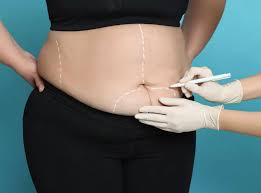
Obesity is a growing health concern in Dubai, linked to chronic conditions such as diabetes, hypertension, cardiovascular disease, and joint problems. Addressing obesity early is essential to improve overall health, enhance quality of life, and reduce the risk of serious complications. Obesity treatment Dubai includes a range of medical and non-surgical approaches tailored to individual needs.
This article explores the causes, treatment options, lifestyle interventions, and preventive strategies for managing obesity effectively in Dubai.
Understanding Obesity
What Is Obesity?
Obesity is defined as excessive fat accumulation in the body, typically measured using the Body Mass Index (BMI):
- Overweight: BMI 25–29.9
- Obese: BMI 30 or higher
- Severe obesity: BMI 40 or higher
Causes of Obesity
- Unhealthy diet: High in calories, sugar, and processed foods
- Sedentary lifestyle: Lack of physical activity due to work or daily habits
- Genetic factors: Family history can influence metabolism and fat storage
- Hormonal imbalances: Thyroid disorders or insulin resistance
- Psychological factors: Stress, depression, and emotional eating
Health Risks of Obesity
Obesity is associated with multiple health complications:
- Type 2 diabetes
- Hypertension and cardiovascular disease
- Sleep apnea and breathing disorders
- Joint problems and osteoarthritis
- Fatty liver disease
- Certain cancers (breast, colon, and kidney)
- Reduced quality of life and mental health challenges
Medical Approaches to Obesity Treatment Dubai
1. Prescription Medications
- Appetite suppressants: Help reduce caloric intake
- Fat absorption inhibitors: Reduce the amount of fat absorbed from food
- Metabolic regulators: Improve blood sugar and metabolism
Note: Medications are prescribed after a thorough evaluation by a doctor and are typically combined with lifestyle changes for effectiveness.
2. Hormonal and Metabolic Therapy
- Treatments targeting metabolic imbalances, such as insulin resistance or thyroid dysfunction, may help patients achieve weight loss safely.
- Administered under medical supervision in Dubai’s specialized clinics.
3. Nutritional Counseling
- Personalized diet plans designed by dietitians address calorie intake, macronutrient balance, and portion control.
- Focus on sustainable eating habits rather than temporary fad diets.
Non-Surgical Obesity Treatment Options
1. Lifestyle Modification Programs
- Structured programs combine exercise, diet, and behavioral therapy.
- Programs are supervised by healthcare professionals in Dubai to ensure safety and effectiveness.
Exercise Recommendations
- At least 150 minutes of moderate-intensity aerobic activity per week
- Strength training 2–3 times per week to enhance metabolism
- Activities include walking, swimming, cycling, and yoga
Behavioral Therapy
- Techniques to change unhealthy eating habits
- Stress management and emotional eating strategies
- Goal setting and progress tracking
2. Medical Weight Management Clinics
- Clinics offer comprehensive evaluation, including BMI measurement, metabolic assessment, and health risk screening.
- Patients receive individualized plans with ongoing monitoring and support.
3. Endoscopic and Minimally Invasive Treatments
- Non-surgical interventions such as gastric balloons or endoscopic procedures reduce stomach capacity and appetite.
- Usually recommended for patients with moderate obesity who have not achieved results with diet and exercise.
4. Support Groups and Coaching
- Group counseling sessions and coaching help patients stay motivated
- Peer support encourages adherence to healthy lifestyle habits
Preventive Strategies for Obesity in Dubai
- Maintain a balanced diet rich in fruits, vegetables, lean proteins, and whole grains
- Limit sugary drinks, fried foods, and processed snacks
- Incorporate regular physical activity into daily routines
- Monitor weight and body composition regularly
- Address stress and sleep issues, which can influence weight gain
FAQs About Obesity Treatment Dubai
Can obesity be treated without surgery?
Yes, many patients achieve significant weight loss through lifestyle modification, medication, and minimally invasive procedures under medical supervision.
How long does non-surgical treatment take to show results?
Results vary depending on individual factors, but noticeable changes are often seen within 3–6 months of consistent intervention.
Are obesity medications safe?
Prescription medications are safe when used under medical supervision. Side effects vary and are monitored by healthcare providers.
Can weight loss improve other health conditions?
Yes, losing even 5–10% of body weight can reduce blood pressure, improve blood sugar control, and enhance heart health.
Are there specialized obesity clinics in Dubai?
Yes, Dubai offers clinics with multidisciplinary teams, including doctors, dietitians, fitness experts, and behavioral therapists, for comprehensive obesity management.
Conclusion
Obesity treatment Dubai offers a variety of medical and non-surgical options tailored to individual needs, ranging from prescription medications and metabolic therapy to lifestyle modification programs and minimally invasive interventions. Early intervention, personalized care plans, and consistent monitoring are key to achieving sustainable weight loss and reducing health risks. By combining medical expertise with diet, exercise, and behavioral strategies, residents in Dubai can effectively manage obesity, enhance overall health, and improve quality of life.