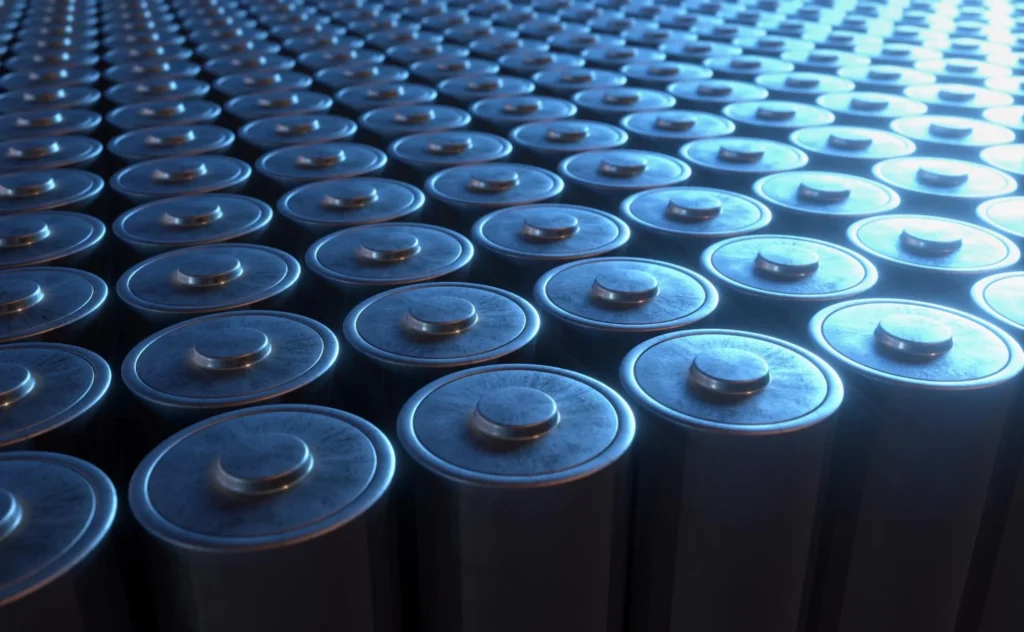
When it comes to powering your systems, devices, or vehicles, the type of battery you choose can significantly impact performance, lifespan, and overall efficiency. Deep cycle and standard batteries are two common types that serve different needs, and understanding their key differences is crucial in selecting the best option for your application.
In this article, we will break down the differences between deep cycle and standard batteries, explain when to use each, and help you make an informed decision. Additionally, we’ll look at how National Battery Supply offers reliable options like LiFePO₄ batteries and rechargeable USB batteries for various applications.
What Is a Standard Battery?
A standard battery (often referred to as a starting battery or cranking battery) is designed primarily for providing a quick burst of power to start an engine or other high-power devices. These batteries are typically used in automobiles, motorcycles, and boats, where a sudden, high amount of energy is needed over a short period.
Key Features of Standard Batteries:
-
High Cranking Amps (CCA): Standard batteries are designed to deliver a powerful burst of energy to start engines.
-
Short Discharge Cycles: These batteries are not designed for deep discharges and can be damaged if discharged too deeply.
-
Low Capacity: They generally have a lower capacity compared to deep cycle batteries, meaning they cannot deliver consistent power over long periods.
While standard batteries are ideal for quick starts and short energy bursts, they are not meant to be deeply discharged. They are built to provide a high amount of energy quickly but cannot handle long durations of discharge without significant wear.
What Is a Deep Cycle Battery?
In contrast, a deep cycle battery is designed to deliver a steady amount of power over an extended period. These batteries are typically used in solar power systems, electric vehicles (EVs), backup power systems, and marine applications, where a consistent, long-lasting power supply is needed.
Key Features of Deep Cycle Batteries:
-
Longer Discharge Times: Deep cycle batteries can be discharged deeply without damage, unlike standard batteries. They are engineered for prolonged discharge over a longer period.
-
Durability: These batteries are designed to endure a larger number of charge/discharge cycles (often 1,000 or more).
-
Higher Capacity: Deep cycle batteries have a much higher capacity compared to standard batteries, allowing them to provide consistent power over extended periods.
Deep cycle batteries are built to withstand the stresses of deep discharges and offer a long lifespan, making them ideal for applications requiring reliable power over long periods.
Key Differences Between Deep Cycle and Standard Batteries
1. Design and Purpose
The primary difference between deep cycle and standard batteries lies in their design and intended use.
-
Standard batteries are designed to provide a high surge of power over a short period, usually to start an engine. They are excellent for situations where the battery needs to quickly deliver power, such as starting a car or boat.
-
Deep cycle batteries, on the other hand, are designed for prolonged energy delivery. These batteries are ideal for applications where a steady, reliable supply of power is needed over time, such as in RVs, solar energy systems, and electric vehicles.
2. Discharge and Charging Cycles
One of the most significant differences is how these batteries handle discharge and charge cycles:
-
Standard batteries are not designed to be discharged deeply. They provide a quick burst of energy and are recharged quickly after use. If deeply discharged regularly, they will degrade quickly and lose their effectiveness.
-
Deep cycle batteries are designed to withstand deep discharges without damage. They can be discharged to a much lower state of charge (usually up to 80%) before needing to be recharged. This makes them ideal for applications where the battery is used to power devices over long periods, such as solar power systems or marine equipment.
3. Capacity and Power Delivery
Capacity refers to the amount of energy a battery can store and deliver over time.
-
Standard batteries generally have lower capacity and are not designed to provide energy for long durations. They are optimized for short bursts of power to start engines or provide energy for a brief period.
-
Deep cycle batteries have a higher capacity and can deliver consistent power over extended periods. Whether powering an RV, providing backup power during an outage, or running an electric vehicle, deep cycle batteries are designed for longer, sustained power delivery.
4. Lifespan and Durability
The lifespan of a battery is often determined by how many charge/discharge cycles it can go through before its performance degrades significantly.
-
Standard batteries are designed to last for a smaller number of charge cycles and are primarily used in applications that require short bursts of power. They will not last long if used for deep cycling.
-
Deep cycle batteries, as the name suggests, are built to handle thousands of charge/discharge cycles. They are more durable and longer-lasting, making them ideal for long-term, everyday use in applications like solar energy storage and electric vehicles.
When to Use a Standard Battery
Standard batteries are best used in applications that require a high surge of power for a short period. They are ideal for:
-
Automobile engines: Standard batteries provide the cranking power necessary to start engines.
-
Motorcycles and ATVs: Like cars, motorcycles and ATVs require a burst of energy to start their engines.
-
Boats: Standard batteries are often used in marine applications to provide power for starting engines.
If you need a battery that provides short bursts of power and doesn’t need to be deeply discharged, a standard battery is likely the best choice for your system.
When to Use a Deep Cycle Battery
Deep cycle batteries are better suited for applications that require consistent, long-lasting power over a longer period of time. They are ideal for:
-
Solar Energy Storage: If you have a solar panel system, LiFePO₄ batteries are often used to store energy for use when the sun isn’t shining. These batteries can be discharged and recharged repeatedly, providing reliable energy storage.
-
Electric Vehicles (EVs): EVs require deep cycle batteries to power the vehicle over long distances. LiFePO₄ batteries are particularly popular in EVs due to their long lifespan and high energy density.
-
RV and Marine Power Systems: Whether you’re camping in an RV or out on the water, deep cycle batteries are needed to power lights, appliances, and other devices for long periods.
-
Backup Power Systems: Deep cycle batteries provide consistent power in backup systems during grid outages or emergencies.
For long-lasting power solutions, LiFePO₄ batteries from National Battery Supply are an excellent choice for a variety of deep cycle applications.
The Role of LiFePO₄ Batteries in Deep Cycle Systems
LiFePO₄ batteries are a specific type of deep cycle battery that stands out due to their safety, long lifespan, and efficiency. Unlike traditional lead-acid deep cycle batteries, LiFePO₄ batteries offer several key advantages:
-
Extended Lifespan: LiFePO₄ batteries can last up to 4,000 charge cycles, far surpassing the lifespan of traditional lead-acid batteries.
-
Higher Efficiency: They offer better energy efficiency, with less energy loss during charging and discharging cycles.
-
Safety: LiFePO₄ batteries are known for their inherent safety, as they are less likely to overheat or catch fire compared to other lithium-ion batteries.
At National Battery Supply, we offer LiFePO₄ batteries that are perfect for deep cycle applications, providing reliable, long-lasting power for renewable energy systems, electric vehicles, and more.
Conclusion
When it comes to choosing between deep cycle and standard batteries, it’s important to consider your specific needs. Standard batteries are perfect for applications that require a quick burst of power, such as starting an engine or powering small devices. However, for systems that require consistent power over long periods, such as solar energy storage, electric vehicles, or rechargeable USB batteries, deep cycle batteries are the better choice.
For long-term, reliable energy storage, LiFePO₄ batteries provide the best solution, offering outstanding performance, safety, and lifespan. Whether you need a battery for a backup power system, RV, or solar setup, National Battery Supply has the perfect battery to suit your needs.