Launching a Cash App Clone: What FinTech Founders Need to Know
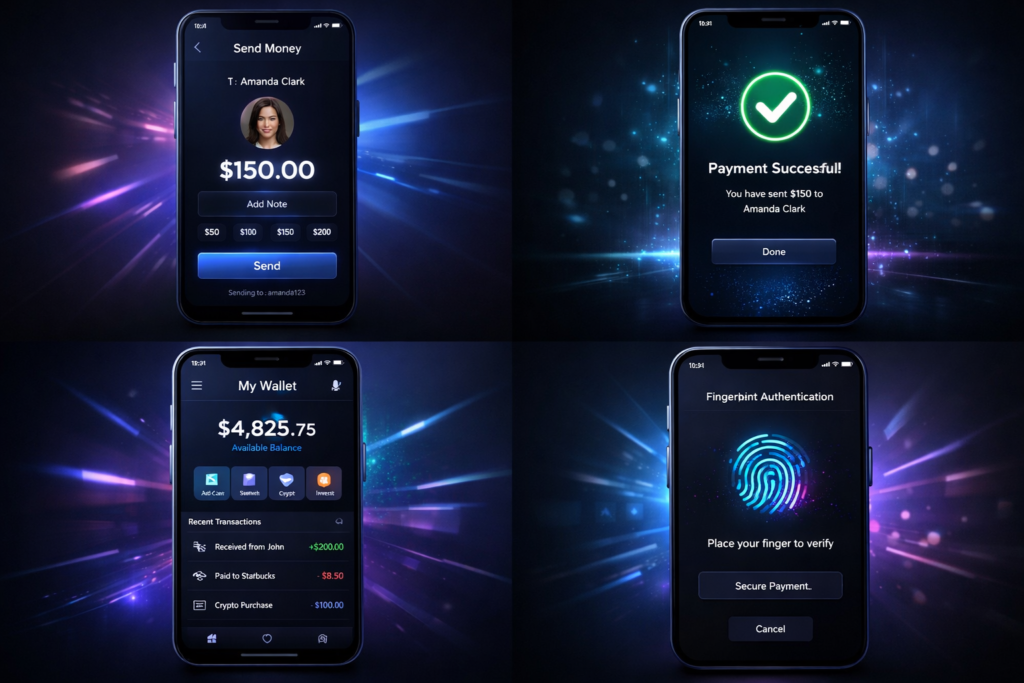
Peer-to-peer payment platforms have reshaped how people send, receive, and manage money. The global shift toward cashless transactions, mobile-first banking, and embedded financial services has created strong demand for apps that combine payments, savings, investments, and merchant features in one interface. A Cashapp clone targets this demand by replicating the core functionality of popular digital wallet ecosystems while allowing founders to customize features, monetization, and regional compliance.
A Cashapp clone is not just a payments app. It represents a financial ecosystem that supports instant transfers, stored balances, identity verification, transaction tracking, and optional extensions such as cryptocurrency trading or stock investments. For FinTech founders, this model offers scalability, recurring revenue potential, and high user retention when executed with the right strategy.
What a Cashapp Clone Really Is and How It Works
A Cashapp clone is a customizable digital payment platform designed to enable peer-to-peer money transfers, merchant payments, and wallet-based financial interactions. At its core, it functions as a stored-value wallet connected to bank accounts, cards, or alternative funding sources.
The operational flow typically includes user onboarding with KYC verification, wallet creation, fund loading, transaction authorization, and settlement through integrated payment gateways. Unlike traditional banking apps, a Cashapp clone focuses on speed, simplicity, and user experience, often reducing friction to complete transactions in seconds.
From a technical standpoint, the system consists of mobile apps for users, an admin dashboard for operational control, and backend services that manage transactions, security, and integrations. This architecture allows founders to introduce new services without rebuilding the entire platform.
Core Features Required for a Competitive Cash App Clone
A successful Cashapp clone must deliver a feature set that balances usability, security, and scalability. Founders should prioritize features that directly impact trust and daily usage.
User Onboarding and Identity Verification
Secure onboarding is essential in FinTech. This includes phone or email-based registration, identity verification through documents, and fraud checks. Automated KYC processes reduce manual workload while meeting regulatory requirements.
Digital Wallet and Balance Management
The wallet is the heart of the application. Users must be able to hold balances, view transaction histories, and manage linked funding sources. Real-time balance updates and clear transaction records improve transparency and user confidence.
Peer-to-Peer Money Transfers
Instant transfers between users define the value of a Cashapp clone. This feature should support contact-based payments, QR codes, or unique user IDs, ensuring fast and error-free transactions.
Bank and Card Integration
Connecting bank accounts and debit or credit cards allows users to add or withdraw funds seamlessly. Integration with reliable payment gateways ensures transaction stability and global reach.
Merchant Payments and QR Code Support
Merchant acceptance expands the ecosystem beyond personal transfers. QR-based payments and simple checkout flows encourage adoption among small businesses and service providers.
Notifications and Transaction Alerts
Real-time notifications keep users informed of account activity. Alerts for payments, withdrawals, or suspicious actions improve engagement and security.
Advanced Features That Differentiate Modern Cash App Clones
While core features establish functionality, advanced capabilities drive long-term growth and monetization.
Cryptocurrency and Investment Modules
Many users expect integrated crypto trading or fractional stock investments. These modules increase average revenue per user but require additional compliance and risk management.
Recurring Payments and Subscriptions
Support for subscriptions and scheduled payments enables use cases such as rent, utilities, or memberships, making the app part of users’ financial routines.
In-App Support and Dispute Management
Integrated support channels and dispute resolution tools improve trust and reduce churn, especially when handling failed or contested transactions.
Analytics and Spending Insights
Providing users with spending breakdowns, trends, and insights adds value beyond payments and positions the app as a financial management tool.
Choosing Between a Cash App Clone Script and Custom Development
One of the most critical decisions founders face is selecting the right development approach. A cash app clone script offers a ready-made foundation, while custom development provides maximum flexibility.
A cash app clone script significantly reduces time to market. It includes pre-built features, tested workflows, and basic compliance structures. This approach suits startups aiming for quick validation or limited budgets.
Custom Cashapp clone development, on the other hand, allows complete control over architecture, features, and scalability. It is ideal for founders with unique business models, regional requirements, or long-term expansion plans. Although initial costs are higher, custom development reduces technical limitations over time.
Technology Stack Considerations for Cashapp Clone Development
The technology stack directly impacts performance, security, and scalability. Founders should select technologies that support high transaction volumes and future integrations.
Frontend Technologies
Native or cross-platform frameworks such as Swift, Kotlin, or Flutter ensure responsive mobile experiences. Clean UI design and optimized performance are critical for user retention.
Backend Infrastructure
Backend systems typically rely on scalable frameworks like Node.js or Java with microservices architecture. Cloud-based infrastructure enables elastic scaling during peak transaction periods.
Database and Transaction Management
Secure databases with real-time synchronization handle user data and transaction logs. High availability and redundancy are essential to avoid downtime.
Third-Party Integrations
Payment gateways, KYC providers, fraud detection services, and notification systems must be reliable and compliant with financial standards.
Security and Compliance Requirements in Cash App Clone Platforms
Security is non-negotiable in FinTech. A single breach can destroy user trust and regulatory standing.
Cashapp clone development must include end-to-end encryption, secure key management, and regular vulnerability assessments. Tokenization of sensitive data reduces exposure risks.
Compliance requirements vary by region but often include KYC, AML, PCI DSS, and data protection laws. Founders should engage legal and compliance experts early to avoid costly redesigns later.
Monetization Models for a Cashapp Clone
Revenue generation should be built into the platform from day one. A well-designed Cashapp clone supports multiple monetization strategies.
Transaction fees on instant transfers or withdrawals provide consistent income. Merchant service fees generate revenue from business users. Premium subscriptions unlock advanced features such as higher limits or investment tools. Interchange fees from card usage add passive revenue streams.
Balancing monetization with user experience is crucial. Excessive fees can drive users to competitors, while transparent pricing builds loyalty.
Scaling and Performance Optimization Strategies
As user numbers grow, performance challenges increase. A scalable Cashapp clone must handle spikes in transactions without delays or failures.
Load balancing, caching, and asynchronous processing improve system responsiveness. Continuous monitoring and performance testing identify bottlenecks before they impact users. Modular architecture allows founders to introduce new features without disrupting existing services.
Go-to-Market Strategy for Launching a Cash App Clone
Launching a Cashapp clone requires more than technical readiness. Founders must plan user acquisition, partnerships, and branding.
Early adopters often come from specific niches such as freelancers, small businesses, or regional communities. Targeted marketing, referral programs, and incentives accelerate adoption. Strategic partnerships with merchants or financial institutions expand credibility and reach.
Operational Challenges and Risk Management
Operating a financial platform involves ongoing challenges. Fraud prevention, customer support, regulatory updates, and system maintenance demand continuous attention.
Automated fraud detection tools reduce manual intervention, while clear escalation processes handle complex cases. Regular audits and updates ensure compliance as regulations evolve.
Future Trends Shaping Cash App Clone Platforms
The future of Cashapp clone development lies in deeper financial integration. Embedded finance, AI-driven insights, and cross-border payments are becoming standard expectations.
Open banking APIs enable richer data access and personalized services. Decentralized finance features may attract advanced users, while AI enhances fraud detection and customer support. Founders who design with flexibility in mind will adapt more easily to these trends.
Conclusion
Launching a Cash App Clone is a strategic opportunity for FinTech founders aiming to enter the digital payments ecosystem. Success depends on understanding market needs, selecting the right development approach, ensuring security and compliance, and planning sustainable monetization. Whether leveraging a cash app clone script for speed or investing in custom Cashapp clone development for long-term growth, founders must focus on reliability, trust, and user experience. With careful planning and execution, a Cashapp clone can evolve from a simple payment tool into a comprehensive financial platform.
FAQs
What is a Cashapp clone and who should build one?
A Cashapp clone is a peer-to-peer payment platform that enables digital wallet transactions and related financial services. It is suitable for FinTech startups, payment service providers, and businesses aiming to offer mobile-first financial solutions.
Is using a cash app clone script a good option for startups?
A cash app clone script is ideal for startups seeking faster launch and lower upfront costs. It provides essential features and can be customized, though it may have limitations compared to full custom development.
How long does Cashapp clone development usually take?
Development timelines vary based on features and customization. Using a script may take a few weeks, while fully custom Cashapp clone development can take several months.
What compliance requirements apply to a Cashapp clone?
Compliance typically includes KYC, AML, PCI DSS, and data protection regulations. Requirements vary by country, so legal consultation is recommended.
Can a Cashapp clone support cryptocurrency features?
Yes, cryptocurrency trading and storage can be integrated, but this requires additional security measures and regulatory approvals depending on the region.
How can a Cashapp clone generate revenue sustainably?
Revenue can come from transaction fees, merchant services, premium subscriptions, and interchange fees. A balanced pricing strategy helps maintain user trust while generating income.