Botox has become one of the most popular non-surgical cosmetic treatments in the world. People choose it to soften wrinkles, prevent new lines from forming, and achieve a smoother, more refreshed appearance without downtime. Despite its popularity, many first-time patients share the same question after treatment: how many days after Botox does it begin to take effect?
The answer is not always as simple as a single number. Botox works gradually, and its effects depend on biology, muscle activity, treatment area, and individual response. Understanding the timeline helps set realistic expectations and prevents unnecessary worry during the first few days after treatment. Knowing what is normal, what takes time, and what signals full results can make the Botox experience far more satisfying.
Understanding How Botox Works in the Body
What Botox Actually Does
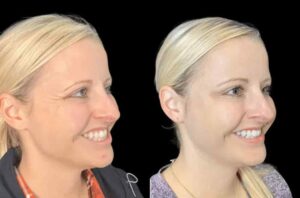
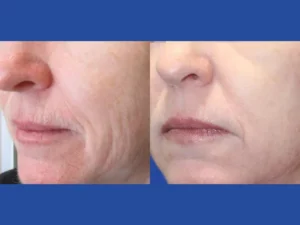
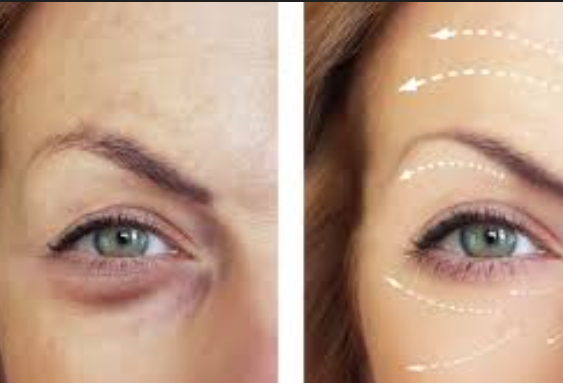
3 areas of botox before and after Botox works by temporarily relaxing targeted muscles. Facial wrinkles often form because of repeated muscle movement, such as frowning, squinting, or raising the eyebrows. Over time, these movements create dynamic lines that eventually become visible even when the face is at rest.
When Botox is injected into specific muscles, it blocks nerve signals that tell those muscles to contract. The muscle does not become frozen instantly. Instead, the communication between nerve and muscle gradually weakens. As the muscle relaxes, the overlying skin appears smoother and less creased.
Why Botox Does Not Work Instantly
Unlike dermal fillers, which add volume immediately, Botox changes muscle behavior. This biological process takes time. The medication must bind to nerve endings, interrupt chemical signals, and allow the muscle to relax. This explains why results appear gradually rather than right after the appointment.
Patients who expect instant results often feel concerned during the first few days, but this delay is completely normal and expected.
When Botox Typically Begins to Take Effect
The First 24 Hours After Treatment
In the first day after Botox, most people do not see visible changes. The injection sites may show mild redness or swelling, but this fades quickly. Some patients notice a slight tight or heavy feeling in the treated area, which is an early sign that the medication is beginning to interact with the muscles.
However, the muscles are still active during this stage. Facial expressions usually remain unchanged, and wrinkles look the same as before treatment.
Days Two to Three: Early Signs of Change
For many individuals, Botox begins to take effect between two and three days after treatment. During this period, subtle changes may become noticeable. Certain expressions may feel slightly weaker, or specific wrinkles may appear softer when the face moves.
These early effects are often uneven or mild. It is common for one side of the face to respond faster than the other, especially in areas with stronger muscle activity.
Days Four to Seven: Visible Improvement
Between four and seven days after Botox, most patients start to see clearer results. Wrinkles caused by muscle movement begin to smooth out, and facial expressions feel more relaxed. The treated area looks more refreshed, though not fully settled.
This stage is often when patients feel reassured that the treatment is working. Photos taken before and after this period usually show noticeable improvement.
When Full Botox Results Are Reached
One to Two Weeks After Injection
Botox typically reaches its full effect between ten and fourteen days after treatment. By this time, muscle relaxation is at its peak, and the skin above the treated area appears smoother and more even.
Any asymmetry that appeared early on often balances out during this period. This is why many providers recommend waiting at least two weeks before assessing final results or considering a touch-up.
Why Providers Ask You to Wait Before Judging Results
It can be tempting to evaluate Botox results too early, but patience is important. Muscles relax at different speeds, and the body needs time to respond fully. Judging results before the two-week mark can lead to unnecessary concern or overcorrection.
Waiting allows the treatment to settle naturally and ensures that any adjustments are truly needed.
Factors That Affect How Quickly Botox Takes Effect
Individual Metabolism and Muscle Strength
Everyone’s body processes Botox differently. People with stronger facial muscles or faster metabolisms may notice slightly delayed effects compared to others. Conversely, individuals with finer muscles may see results sooner.
Age, activity level, and genetics all play a role in how quickly Botox begins to work.
Treatment Area
Some areas respond faster than others. For example, forehead lines and crow’s feet often show changes sooner, while deeper frown lines between the eyebrows may take longer due to stronger muscle groups.
The number of injections and dosage also influence how quickly results appear.
First-Time Versus Repeat Treatments
First-time Botox patients sometimes experience a slower onset because their muscles are stronger and not yet accustomed to relaxation. With repeated treatments, muscles may weaken slightly over time, allowing Botox to take effect more quickly in future sessions.
What Is Normal While Waiting for Botox to Work
Uneven Results in the Early Days
It is normal for Botox to look uneven at first. One eyebrow may move more than the other, or one side of the face may smooth faster. This imbalance usually resolves on its own as the medication continues to take effect.
Temporary Tightness or Heaviness
Some patients report a tight or heavy sensation in the treated area. This feeling is temporary and usually fades within the first week. It is part of the muscle adjusting to reduced movement.
No Immediate Change
Not seeing results in the first few days does not mean the treatment failed. Botox is gradual, and patience is essential for accurate evaluation.
What Can Delay Botox Results
Very Active Facial Muscles
People who frequently use strong facial expressions may notice that Botox takes longer to show visible results. Constant muscle movement can temporarily counteract early relaxation.
Incorrect Aftercare
Although Botox does not require extensive aftercare, rubbing or massaging the treated area too soon can affect how the medication settles. This may delay or alter results.
Insufficient Dosage
In some cases, conservative dosing may lead to subtler or slower results. Providers often start with a cautious approach, especially for first-time patients, and adjust later if needed.
How Long Botox Results Last After They Appear
Typical Duration of Effects
Once Botox fully takes effect, results usually last between three and four months. Over time, nerve signals gradually return, and muscle movement slowly resumes.
Wrinkles do not suddenly reappear overnight. The return is gradual, allowing patients to plan future treatments comfortably.
Changes With Consistent Use
With regular treatments, some people notice that results last longer over time. Muscles may weaken slightly, reducing wrinkle formation even between sessions.
When to Contact a Provider
If Results Are Not Visible After Two Weeks
If no improvement is seen after fourteen days, it is reasonable to contact the provider. A follow-up evaluation can determine whether a touch-up is appropriate.
If There Is Significant Asymmetry or Discomfort
While mild asymmetry is normal early on, persistent imbalance or discomfort should be assessed. Professional evaluation ensures safety and optimal results.
Frequently Asked Questions
Can Botox start working the same day?
Botox does not usually produce visible results on the same day. The biological process requires time, and changes typically begin after a couple of days.
Is it normal to feel tightness before seeing results?
Yes, a tight or heavy feeling can occur before visible smoothing. This sensation often indicates that the medication is beginning to affect muscle activity.
Why does Botox work faster for some people?
Individual metabolism, muscle strength, treatment area, and previous Botox use all influence how quickly results appear.
Should I worry if I see no change after five days?
No, five days is still early. Full results often take up to two weeks to develop.
Setting Realistic Expectations for Botox
Understanding the Botox timeline is key to a positive experience. Botox is not an instant fix, but rather a gradual improvement that unfolds over days and weeks. This slow progression allows results to look natural rather than abrupt.
Patients who approach Botox with realistic expectations tend to be more satisfied with their outcomes. Knowing when to expect changes reduces anxiety and prevents unnecessary concern during the early waiting period.
Conclusion
So, how many days after Botox does it begin to take effect? For most people, early changes begin within two to three days, visible improvement appears around the first week, and full results are reached within ten to fourteen days. This timeline can vary, but gradual onset is a normal and essential part of how Botox works.
Patience is an important part of the Botox journey. By understanding the process and allowing time for results to develop, patients can enjoy smoother skin, softer lines, and a refreshed appearance that looks natural and balanced. Botox works best when expectations align with biology, and when given time, it delivers the subtle yet powerful results it is known for.