Saudi Arabia is undergoing a historic energy transformation. As the Kingdom moves toward sustainability, energy diversification, and long-term economic resilience, solar power is emerging as a central pillar of this transition. With vast desert landscapes, abundant sunshine, and strong government support, solar energy is not just an alternative — it is the future of power generation in Saudi Arabia.
This article explains why solar energy is becoming the backbone of the Kingdom’s energy strategy and how businesses, homes, and industries can benefit from this shift.
1. Saudi Arabia’s Energy Vision and Sustainability Goals
Saudi Arabia’s Vision 2030 aims to reduce dependence on fossil fuels while building a cleaner and more diversified economy. Renewable energy plays a major role in achieving this goal, with solar power leading the way.
The government has committed billions of dollars to renewable energy projects, including mega solar parks and decentralized rooftop systems. These initiatives are helping Saudi Arabia cut carbon emissions, conserve natural resources, and ensure long-term energy security.
2. Abundant Sunlight Makes Solar Energy Highly Efficient
Saudi Arabia receives some of the highest solar radiation levels in the world, with over 300 sunny days each year. This natural advantage makes solar power extremely efficient and cost-effective compared to many other regions.
High solar exposure allows systems to generate maximum electricity output, ensuring faster return on investment for residential, commercial, and industrial users who adopt solar solutions.
3. Rising Energy Demand Requires Sustainable Solutions
Rapid population growth, urban development, and industrial expansion are driving electricity demand across the Kingdom. Traditional energy sources alone cannot sustainably meet these long-term needs.
Solar power offers a scalable solution that can be deployed quickly across rooftops, commercial buildings, factories, farms, and utility-scale projects — helping stabilize energy supply while reducing pressure on conventional grids.
4. Solar Energy Reduces Electricity Costs Long-Term
One of the strongest drivers behind solar adoption is cost savings. Once installed, solar systems generate free electricity for decades, significantly lowering monthly utility bills.
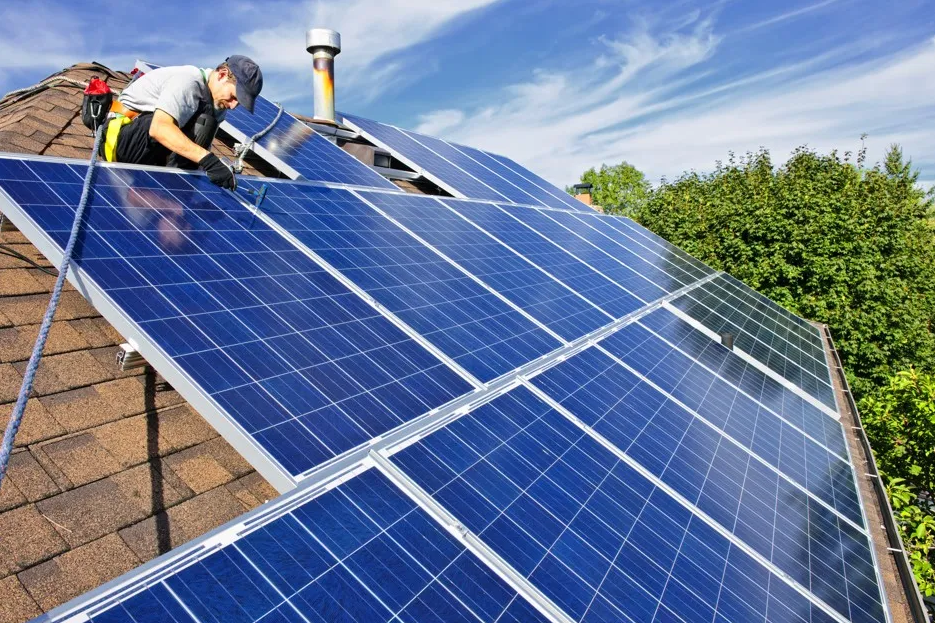
With advancements in technology and falling equipment prices, solar panels installation has become more affordable than ever. Businesses and homeowners can protect themselves against rising electricity tariffs while increasing financial predictability.
5. Strong Government Support and Incentives
Saudi authorities actively encourage renewable energy adoption through favorable regulations, funding programs, and grid integration policies. Net metering programs allow solar users to export excess electricity back to the grid, further improving financial returns.
Large-scale government-backed solar projects also accelerate market growth, creating opportunities for private investors, contractors, and clean energy professionals across the Kingdom.
6. Environmental Benefits and Climate Responsibility
Solar energy is clean, renewable, and produces zero emissions during operation. By shifting to solar power, Saudi Arabia can significantly reduce greenhouse gas emissions, improve air quality, and protect natural ecosystems.
The widespread use of الواح الطاقة الشمسية supports global climate goals while ensuring that future generations inherit a healthier and more sustainable environment.
7. Solar Power Strengthens Energy Security
Relying heavily on fossil fuels exposes energy systems to market volatility and geopolitical risks. Solar energy provides a decentralized and stable source of power that enhances national energy independence.
Distributed solar systems also improve grid resilience by reducing strain during peak demand periods and ensuring reliable power in remote or underserved regions.
8. Job Creation and Economic Growth
The solar industry generates employment across manufacturing, engineering, installation, maintenance, and project development sectors. As solar adoption grows, it supports workforce development and contributes to Saudi Arabia’s broader economic diversification goals.
This expanding clean energy sector also attracts foreign investment and technological partnerships, further strengthening the Kingdom’s global economic position.
9. Applications Across Residential, Commercial, and Industrial Sectors
Solar technology is flexible and scalable, making it suitable for:
-
Homes and residential compounds
-
Commercial offices and shopping malls
-
Factories and industrial zones
-
Agricultural farms and water pumping systems
-
Remote and off-grid communities
This versatility ensures that solar energy can support every sector of Saudi Arabia’s economy.
10. The Future Outlook of Solar Energy in Saudi Arabia
With continuous innovation in battery storage, smart grids, and high-efficiency panels, solar energy adoption is set to accelerate even further. Saudi Arabia’s renewable energy roadmap clearly positions solar power as the dominant energy source of the future.
As infrastructure expands and awareness grows, solar will become the standard energy solution for businesses and households across the Kingdom.
Conclusion
Solar power represents more than just an energy alternative — it is a strategic investment in Saudi Arabia’s future. With abundant sunlight, strong government backing, cost savings, environmental benefits, and economic opportunities, solar energy is reshaping the Kingdom’s energy landscape.
By embracing solar panels installation and adopting الواح الطاقة الشمسية, Saudi Arabia is building a cleaner, smarter, and more sustainable energy future for generations to come.