When planning a construction project in the UK, one of the biggest challenges can be dealing with unstable ground. It can cause your building to settle unevenly, crack walls, or even create dangerous conditions if not handled properly. Not only large commercial sites, but even small residential projects can also face issues when the soil isn’t solid.
Thanks to modern construction techniques, there are several effective methods to strengthen and stabilise the ground before and during construction. In this article, we will discuss what these ways are and how they can help ensure a safe and solid foundation for your project.
Retaining Wall Installation
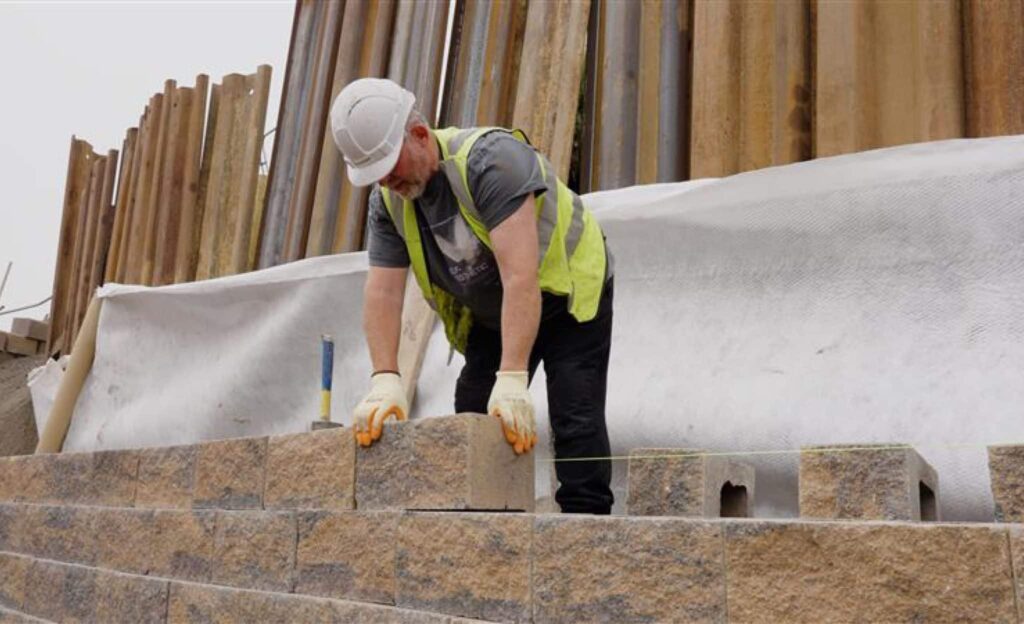
A retaining wall is a structure designed to hold back soil and prevent erosion or collapse on sloped terrain. It redistributes the pressure of the soil, giving the ground behind it stability. For UK conditions, where rainfall can soften soil and slopes are common, retaining walls are particularly useful. You can use stone, concrete, or timber, depending on your budget and project style.
Proper retaining wall installation requires measuring the slope, ensuring drainage is managed, and securely anchoring the wall into solid ground. They are often combined with landscaping features to create a neat and functional result.
Soil Compaction
Compacting the soil is a simple but highly effective method. Loose soil tends to shift and settle over time, creating instability for foundations. By using mechanical compactors or rollers, you compress the soil particles, reducing air pockets and increasing density. This process makes the ground stronger and less prone to movement.
However, it is important to compact the soil layer by layer, especially if your site has sandy or silty soil. Moisture content is also critical; slightly damp soil compacts better than dry soil. So, regular testing is also necessary to achieve the required density.
Geotextiles
Geotextiles are fabrics used to reinforce soil, prevent erosion, and improve drainage. You can place them between layers of soil to provide extra strength, especially on slopes or areas prone to waterlogging. In the UK, where heavy rain can affect soil stability, geotextiles help prevent shifting and keep your site secure.
They also allow water to pass through while holding soil in place, which reduces the risk of saturation-related problems. Geotextiles come in various types, including woven and non-woven fabrics, and selecting the right one depends on your soil type and the load your construction will bear.
Soil Nailing
Soil nailing involves inserting steel bars or nails into the ground to reinforce weak soil. These bars are usually grouted in place, which binds the soil and prevents movement. This technique is particularly effective for steep slopes or areas where excavation is necessary. In the UK, it is used to stabilise embankments and provide support for temporary or permanent structures.
It’s a cost-effective solution for sites that cannot accommodate large retaining walls. The nails work with the existing soil to create a stronger mass, and combined with mesh or shotcrete on the surface, it forms a reliable support system for your foundation.
Soil Replacement
Sometimes the easiest solution is to remove weak soil and replace it with stronger, more stable material. This is common in areas with clay or peat, which can expand and contract with moisture. Replacing it with gravel, sand, or engineered fill gives your construction a firm base.
This method is often used for residential buildings on sites with poor original soil. It allows for precise control over compaction and moisture content, reducing future settlement risks. Soil replacement is labour-intensive, but the long-term benefits make it worthwhile, providing a solid, predictable foundation for walls, floors, and heavy structures.
Grouting
Grouting involves injecting a cement-based or chemical mixture into weak soil to bind particles together. This technique increases strength and reduces the risk of sinking or shifting. It’s especially useful in areas where excavation isn’t possible, or the soil is too loose to support traditional compaction.
The process requires careful planning to ensure the mixture reaches all areas of weakness. Once hardened, the soil behaves more like solid rock, providing reliable support for buildings, retaining walls, or other heavy installations.
Micro Piling
Micro piling is one of the most advanced techniques for stabilising unstable ground, especially in areas where traditional foundations are not feasible. These are small-diameter piles drilled deep into the ground to transfer loads to stronger soil or rock layers below.
This technique is used for both new constructions and the reinforcement of existing buildings. It works well in limited spaces and for sites with high water tables. The piles are installed with minimal vibration, reducing disruption. It creates a stable support system capable of handling heavy structures.
Key Takeaway
By using these methods, you can effectively stabilise unstable ground and ensure your construction project proceeds safely and efficiently. It saves time and money, and prevents long-term issues.