Non-Scarring Alopecia
Hair loss is a concern that affects millions worldwide, impacting not only appearance but also self-esteem and overall well-being. Among the various categories of hair loss, non-scarring alopecia is particularly significant because it preserves hair follicles, allowing for potential regrowth if treated promptly. For a comprehensive overview of this condition, you can begin by reading this comprehensive guide to non-scarring alopecia.
In this article, we’ll explore the different types of non-scarring alopecia, common triggers, treatment approaches, preventive strategies, and opportunities to participate in clinical research trials to access innovative therapies.
What Is Non-Scarring Alopecia?
Non-scarring alopecia refers to hair loss conditions in which hair follicles remain intact and undamaged. This distinguishes it from scarring alopecia, where permanent follicle destruction prevents hair regrowth. Because the follicles are preserved, many types of non-scarring alopecia are reversible with proper treatment.
Key Features
- Hair loss occurs without visible scarring or inflammation on the scalp
- Hair follicles remain viable, providing potential for regrowth
- Often linked to autoimmune disorders, hormonal imbalances, or environmental factors
Early identification and intervention are crucial to prevent progression and restore hair density effectively.
Common Types of Non-Scarring Alopecia
Understanding the types of non-scarring alopecia helps in selecting the most suitable treatment and management plan.
-
Alopecia Areata
Alopecia areata is an autoimmune condition in which the immune system mistakenly attacks hair follicles, leading to patchy hair loss. It can progress to more severe forms:
- Alopecia totalis: Complete scalp hair loss
- Alopecia universalis: Total body hair loss
Patients may experience sudden bald patches that are smooth, painless, and sometimes emotionally distressing. Early treatment can reduce the risk of progression to totalis or universalis.
-
Androgenetic Alopecia
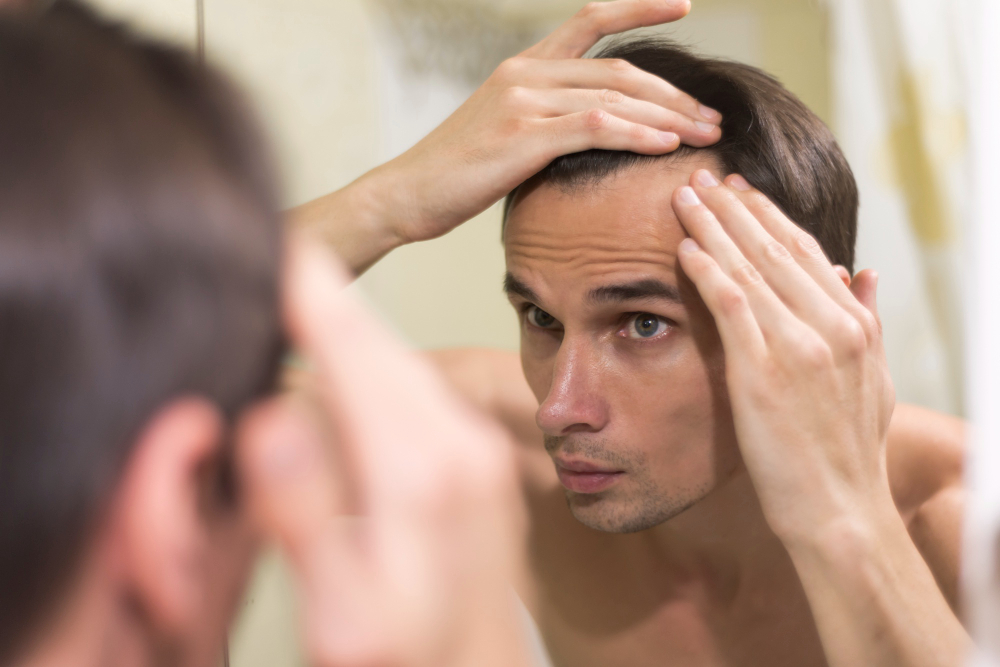
Androgenetic alopecia, also known as male- or female-pattern baldness, is a hereditary hair loss condition influenced by hormones called androgens.
- In men: Receding hairline and thinning at the crown
- In women: Diffuse thinning, particularly along the parting line
Although androgenetic alopecia progresses slowly, the follicles remain intact, making treatments such as minoxidil, finasteride, or hair restoration therapies viable options.
-
Telogen Effluvium
Telogen effluvium is a temporary hair loss condition triggered when a higher percentage of hair follicles enter the resting (telogen) phase simultaneously. Common triggers include:
- Physical or emotional stress
- Illness or infection
- Hormonal changes (pregnancy, thyroid disorders)
- Medications or nutritional deficiencies
Hair shedding is diffuse rather than patchy, and regrowth typically occurs within 3–6 months once the underlying cause is addressed.
-
Anagen Effluvium
Anagen effluvium occurs during the hair growth (anagen) phase and is often triggered by chemotherapy, radiation therapy, or exposure to toxic chemicals.
- Hair loss is rapid and diffuse
- Follicles remain viable, allowing regrowth once the triggering factor is removed
- Early supportive care and scalp protection during treatment can reduce discomfort
-
Traction Alopecia
Traction alopecia results from prolonged tension on hair follicles due to hairstyles such as tight braids, ponytails, or hair extensions.
- Hair follicles are not permanently damaged if the tension is removed early
- Avoiding tight hairstyles and harsh treatments can allow regrowth
- Early intervention prevents progression to chronic hair loss
Common Triggers of Non-Scarring Alopecia
While genetics and autoimmunity are major contributors, environmental and lifestyle factors can exacerbate hair loss:
- Emotional or physical stress triggers telogen effluvium and aggravates alopecia areata
- Hormonal changes, including pregnancy, menopause, or thyroid disorders
- Certain medications, especially chemotherapy agents
- Nutritional deficiencies, such as iron, vitamin D, or protein deficiencies
- Hair care practices, including heat styling, chemical treatments, or tight hairstyles
Identifying these triggers is essential for preventing further hair loss and promoting regrowth.
Treatment Approaches for Non-Scarring Alopecia
Because hair follicles remain intact, non-scarring alopecia often responds well to treatment. Strategies vary depending on the type, severity, and underlying cause.
- Medical Treatments
- Topical corticosteroids or immunotherapy: Commonly used for alopecia areata to reduce inflammation
- Minoxidil or finasteride: Promote regrowth in androgenetic alopecia
- Oral medications: Immunosuppressive or biologic therapies for severe autoimmune cases
These treatments aim to suppress inappropriate immune responses, stimulate follicle activity, and support hair regrowth.
-
Lifestyle and Hair Care
- Manage stress through mindfulness, yoga, or therapy
- Avoid harsh hair treatments, tight hairstyles, or excessive heat
- Maintain a balanced diet rich in protein, vitamins, and minerals such as biotin, iron, and zinc
Lifestyle modifications complement medical treatments and enhance the chances of successful hair regrowth.
-
Supportive Therapies
- Counseling or support groups: Help cope with emotional impact
- Camouflage options: Wigs, hairpieces, or styling techniques for cosmetic concerns
- Peer networks: Provide encouragement and reduce feelings of isolation
Psychosocial support is essential, particularly for conditions like alopecia areata, totalis, and universalis, where visible hair loss can affect confidence and mental health.
Role of Clinical Research
Innovative treatments for non-scarring alopecia, particularly alopecia areata, are being explored in clinical research trials. These studies investigate therapies that may enhance hair regrowth, reduce flare-ups, and improve patient outcomes.
If you are interested in advanced treatment options, you can participate in alopecia areata research trials:
Participation allows patients to access cutting-edge therapies while contributing to the development of more effective treatment strategies for future patients.
Preventive Measures
Although some causes of non-scarring alopecia are unavoidable, preventive strategies can help minimize hair loss and promote regrowth:
- Manage stress with regular exercise, mindfulness, and adequate rest
- Maintain proper nutrition and address deficiencies such as iron, vitamin D, or protein
- Avoid harsh chemical treatments, heat styling, and excessive pulling on hair
- Adjust hairstyles to reduce tension on follicles
These measures, combined with medical intervention, optimize hair follicle health and maximize the potential for regrowth.
Final Thoughts
Non-scarring alopecia encompasses several types of hair loss in which hair follicles remain intact, allowing for potential regrowth. Common forms include:
- Alopecia areata and its severe forms (totalis and universalis)
- Androgenetic alopecia in men and women
- Telogen effluvium triggered by stress or illness
- Anagen effluvium caused by chemotherapy or toxic exposure
- Traction alopecia from hairstyle-induced tension
Understanding triggers such as stress, hormonal changes, medications, and environmental factors is crucial for effective management. Combining medical therapies, lifestyle modifications, and supportive care can optimize outcomes and improve the quality of life for patients.
For those seeking innovative treatments and the opportunity to contribute to scientific research, you can participate in alopecia areata research trials, gaining access to advanced therapies while supporting ongoing studies.