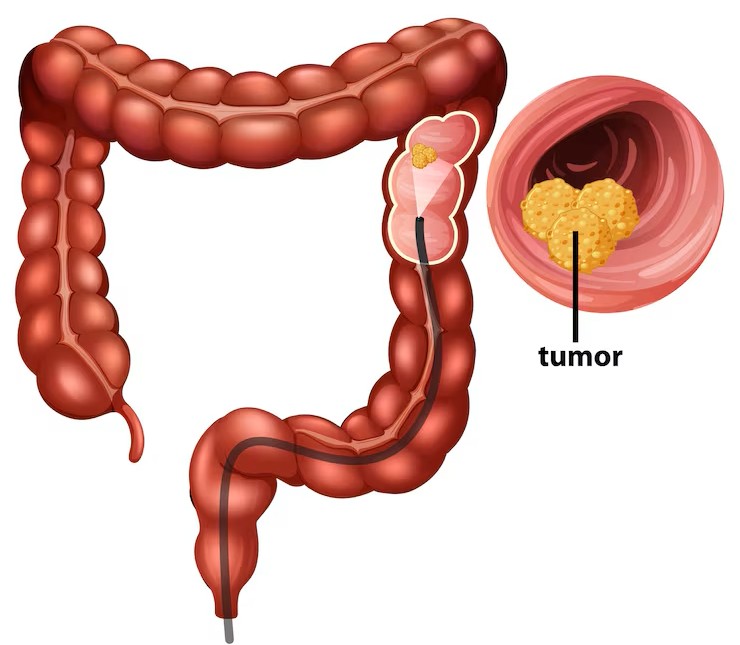
Treatment Options for Appendix Cancer Patients
Appendix cancer is a rare malignancy that originates in the appendix, a small pouch attached to the large intestine. Because it is uncommon, many patients and caregivers are unfamiliar with the disease and its treatment pathways. If you are still wondering what is appendix cancer, its types, risk factors, and diagnostic process, and most importantly treatment, you can read in this blog.
Understanding available treatment options is essential for patients to make informed decisions and work effectively with their healthcare team. Treatment is highly individualized, depending on tumor type, stage, and overall patient health.
Types of Appendix Cancer
Appendix cancer can vary in its pathology, which significantly affects treatment decisions:
- Carcinoid Tumors: Slow-growing tumors that often have a favorable prognosis.
- Adenocarcinomas: Cancerous growths arising from glandular cells, often more aggressive.
- Mucinous Neoplasms: Tumors that produce excessive mucus, potentially spreading throughout the abdominal cavity.
Each type responds differently to therapies, making accurate diagnosis a crucial first step.
How Treatment Plans Are Decided
Treatment for appendix cancer is not one-size-fits-all. Doctors consider several factors before recommending a plan, including the type of tumor, how far it has spread, and the patient’s overall health.
Additional considerations may include whether the cancer is slow-growing or aggressive, if it has spread within the abdominal cavity, and how the patient may respond to certain therapies. A multidisciplinary team—often including surgeons, oncologists, and radiologists, works together to develop a personalized treatment strategy.
Surgical Treatment
Surgery is the primary treatment for most appendix cancers and can be curative in early-stage cases.
1. Appendectomy
- Standard for localized tumors
- Removal of the appendix alone is often sufficient for small carcinoid tumors
2. Right Hemicolectomy
- Recommended for larger or more aggressive tumors
- Involves removing part of the colon and nearby lymph nodes
- Provides better long-term outcomes for adenocarcinomas
3. Cytoreductive Surgery with HIPEC
- Used for mucinous tumors that have spread in the abdominal cavity
- Involves removing tumor deposits and bathing the abdominal cavity with heated chemotherapy
- Can significantly reduce recurrence risk and improve survival
Surgical decisions depend on tumor size, type, and spread, and may be combined with other therapies.
Chemotherapy
Chemotherapy is often used in advanced or aggressive appendix cancers, particularly adenocarcinomas.
- Systemic chemotherapy: Targets cancer cells throughout the body
- Regimens: Typically similar to colorectal cancer treatments, including fluorouracil (5-FU)-based combinations
- Purpose: Shrinks tumors before surgery, eliminates residual disease, and reduces recurrence risk
Carcinoid tumors generally do not respond well to chemotherapy, so other approaches may be prioritized for these cases.
Targeted Therapy
Targeted therapies focus on specific molecular changes in cancer cells:
- KRAS, GNAS, and TP53 mutations may influence treatment decisions
- Targeted agents can block tumor growth pathways
- Often used in combination with chemotherapy for advanced disease
Molecular testing is increasingly important for personalized treatment planning.
Radiation Therapy
Radiation is rarely used for appendix cancer but may be considered in select cases:
- For local tumor control when surgery is not feasible
- As palliative therapy to relieve pain or symptoms in advanced disease
Most treatment plans prioritize surgery and chemotherapy over radiation.
Potential Side Effects of Treatment
Like most cancer treatments, therapies for appendix cancer can cause side effects that vary depending on the approach used. Surgery may lead to temporary pain, fatigue, or digestive changes, while chemotherapy can cause nausea, hair loss, and lowered immunity.
Targeted therapies may have more specific side effects, such as skin changes or blood pressure fluctuations. While not all patients experience severe side effects, understanding them in advance can help patients prepare and manage them effectively with their healthcare team.
Management of Symptoms
Even with treatment, patients may experience symptoms such as abdominal pain, swelling, or digestive issues. Symptom management can include:
- Pain control with medications
- Nutritional support
- Hydration and electrolyte management
- Supportive care for quality of life
A multidisciplinary approach ensures comprehensive care for both disease and symptoms.
Follow-Up Care
After treatment, ongoing monitoring is essential to detect recurrence and manage complications:
- Regular imaging (CT or MRI scans)
- Tumor marker testing (if applicable)
- Routine physical exams
- Monitoring for long-term side effects of treatment
Follow-up schedules are individualized based on tumor type, stage, and treatment received.
Clinical Trials and Research
Because appendix cancer is rare, clinical trials play an important role in developing new treatment strategies. Participating in research can provide access to:
- Innovative surgical techniques
- Novel chemotherapy or targeted therapy combinations
- Advanced monitoring protocols
Clinical trials also help improve outcomes for future patients with similar diagnoses.
Lifestyle and Supportive Measures
While medical treatment is central, patients can support their recovery and overall health through:
- Maintaining a balanced diet
- Staying hydrated
- Gentle physical activity as tolerated
- Emotional and psychological support through counseling or patient groups
Supportive care enhances quality of life and complements medical treatment.
Prognosis
Prognosis depends on several factors:
- Tumor type and grade
- Stage at diagnosis
- Completeness of surgical removal
- Response to chemotherapy
Carcinoid tumors often have excellent long-term outcomes, while adenocarcinomas may require more aggressive treatment and monitoring. Mucinous tumors can be challenging due to the risk of abdominal spread, but cytoreductive surgery with HIPEC has significantly improved survival rates.
When to Seek a Specialist
Because appendix cancer is uncommon, not all healthcare providers have extensive experience managing it. Patients may benefit from consulting specialists, particularly those with expertise in gastrointestinal or peritoneal cancers.
Seeking care at centers experienced in advanced procedures like cytoreductive surgery and HIPEC can improve treatment outcomes. A second opinion can also help confirm diagnosis and ensure that all available treatment options are considered.
Final Thoughts
Appendix cancer is rare, but understanding treatment options empowers patients to make informed decisions with their healthcare team. Surgery, chemotherapy, targeted therapy, and supportive care all play a role depending on tumor type, stage, and patient health. Accurate diagnosis, personalized treatment planning, and vigilant follow-up are essential for achieving the best outcomes.
For patients interested in exploring innovative therapies and contributing to advancing medical knowledge, it is possible to participate in colorectal cancer research trials. These studies often include novel approaches applicable to appendix adenocarcinomas and can provide access to cutting-edge treatments.