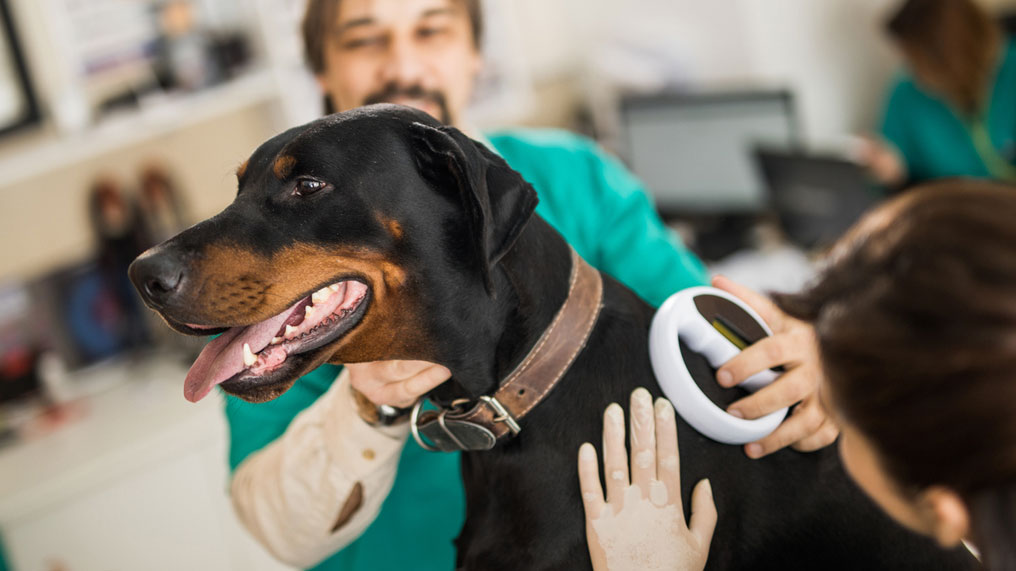
pet microchiping
Keeping pets safe is one of the top priorities for every pet owner, and identification plays a crucial role in ensuring their security. One of the most reliable and permanent methods of identification is pet microchiping, a simple procedure that can help reunite lost pets with their owners.
Unlike collars or tags that can fall off or be removed, microchips provide a lifelong identification solution. With increasing cases of lost pets, understanding how microchipping works and why it is important has become essential. This guide explores the benefits, process, and care involved in microchipping, helping pet owners make informed decisions for their pets’ safety and well-being.
Understanding Pet Microchipping
Pet microchiping is a modern identification method that involves placing a small electronic chip under a pet’s skin. This chip contains a unique identification number that can be scanned by veterinary clinics or animal shelters. It is a safe, quick, and effective procedure that provides permanent identification. Understanding how this technology works helps pet owners appreciate its importance in ensuring their pet’s safety.
How Microchipping Works
Microchipping works by inserting a tiny chip, about the size of a grain of rice, under the pet’s skin, usually between the shoulder blades. The chip stores a unique ID number that is linked to the owner’s contact information in a secure database.
When a lost pet is found, a scanner is used to read the chip’s ID number. This number is then used to access the owner’s details, allowing for a quick reunion. The process is simple, painless, and does not require batteries or maintenance.
Benefits of Pet Microchipping
One of the main benefits of pet microchiping is that it provides permanent identification that cannot be lost or damaged. This significantly increases the chances of recovering a lost pet.
Microchipping also offers peace of mind to pet owners, knowing their pet can be identified at any time. It is widely accepted by veterinary professionals and animal shelters as a reliable method for pet identification.
Safety and Procedure
The microchipping procedure is quick and similar to a routine injection. It does not require anesthesia and causes minimal discomfort to the pet.
Veterinarians ensure that the process is carried out safely and hygienically. Once implanted, the chip remains functional for the pet’s lifetime, making it a convenient and effective identification solution.
Care, Registration, and Long-Term Benefits
While pet microchiping is a simple procedure, proper care and registration are essential for it to be effective. Ensuring that the chip is registered and the information is kept up to date plays a crucial role in reuniting lost pets with their owners. Long-term benefits of microchipping make it a valuable investment in your pet’s safety.
Registration and Updating Information
After microchipping, it is important to register the pet’s unique ID number in a recognized database. This step links the chip to the owner’s contact details, making identification possible.
Keeping this information updated is equally important. Changes in phone numbers or addresses should be recorded promptly to ensure accurate identification if the pet is found.
Post-Procedure Care
After the microchipping procedure, pets generally require minimal care. Owners should monitor the injection site for any signs of swelling or irritation, although complications are rare.
Regular check-ups can ensure the chip is still in place and functioning properly. Providing a comfortable environment and observing your pet’s behavior helps ensure a smooth recovery.
Long-Term Protection and Peace of Mind
Microchipping offers long-term protection by providing a permanent identification method. Unlike collars or tags, it cannot be removed or lost, making it highly reliable.
For pet owners, this means greater peace of mind knowing that their pet has a secure form of identification. In case of emergencies or accidental loss, microchipping significantly increases the chances of a safe return.
Final Thoughts
Pet microchiping is an essential step in responsible pet ownership. It provides a permanent, reliable, and effective way to identify pets and ensure their safety. By understanding the process and maintaining accurate registration details, pet owners can maximize the benefits of this technology.
southwestanimalhospital.com Taking proactive measures like microchipping helps protect pets and strengthens the bond between pets and their owners.
Frequently Asked Questions (FAQs)
What is pet microchiping?
Pet microchiping is a simple procedure where a small electronic chip is implanted under a pet’s skin. This chip contains a unique ID number that helps identify the pet and connect it to the owner’s contact information.
Is pet microchiping safe for pets?
Yes, pet microchiping is very safe and commonly performed by veterinarians. The procedure is quick, causes minimal discomfort, and does not require surgery or anesthesia.
How does a microchip help find a lost pet?
When a lost pet is found, a scanner reads the microchip’s unique ID number. This number is then used to access the owner’s details from a database, helping reunite the pet with its owner quickly.
Does a microchip track my pet’s location?
No, microchips do not have GPS tracking. They only store identification information that can be read with a scanner when the pet is found.
At what age can a pet be microchipped?
Pets can usually undergo pet microchiping at a young age, often as early as a few weeks old. However, it is best to consult a veterinarian for the appropriate timing.