The beverage world has witnessed a transformation: a shift from an alcohol-centric drinking culture to one that embraces moderation, wellness, and flavor without compromise. Central to this movement is the rise of non-alcoholic spirits, especially those inspired by classic rye and bourbon whiskies.
Once a niche curiosity, these zero-proof alternatives are now leading a flavor revolution that’s redefining how people drink, socialize, and savor complexity in a glass.
The Rise of Zero-Proof Spirits
Non alcoholic whiskey has grown from a small corner of the market into a significant cultural and commercial force. According to industry data, non-alcoholic drinks — including beer, wine, and spirits — are experiencing double-digit growth, propelled by consumers who are health-conscious, sober-curious, or simply seeking variety.
This trend isn’t just about not drinking alcohol; it’s about expanding choice. Nearly all non-alcoholic buyers also consume traditional alcoholic beverages, showing that zero-proof options aren’t replacements but complements in a diversified drinking landscape.
The spirits category — historically dominated by high-proof rye and bourbon — has been slower to adapt than beer or wine. But that’s rapidly changing. Innovation is bringing forward alternatives that capture the essence of these beloved spirits: bold spice, oak-influenced sweetness, and layered aromatic profiles — all without the alcohol.
Why Rye and Bourbon?
Rye and bourbon occupy a special place in the spirits world. Rye whiskey is known for its spicy, peppery character, while bourbon offers rich notes of caramel, vanilla, and oak. Replicating these complex flavor profiles without alcohol is no small feat — but distillers and flavor scientists are rising to the challenge.
For rye, producers aim to mirror that distinctive spice and grain-forward character. For example, SOBOUR – Rye Style 0.0% Alcohol Free channels smoky and peppery notes with caramel and honey sweetness, designed to evoke classic American rye without alcohol.
Similarly, bourbon alternatives strive to deliver warm vanilla, toasted oak, and sweet caramel notes that define the category. Products like Spiritless Kentucky 74 and Lyre’s American Malt use innovative techniques to simulate those flavor profiles, making them suitable for sipping or as the backbone of classic cocktails.
Crafting Flavor Without Alcohol
Creating non alcoholic whiskey and bourbon isn’t just about removing alcohol from a spirit — it’s about building flavor from the ground up. Producers use a range of methods:
Botanical infusions: Combining herbs, spices, and botanicals to create complex aromatic layers.
Barrel-inspired techniques: Utilizing oak chips, staves, or wood-inspired aging methods to evoke barrel-aged character.
Reverse distillation: Starting with a spirit base and removing alcohol while attempting to preserve flavor.
Some brands take a hybrid approach, blending botanical elements with sensory cues from traditional spirits. Others, like boutique producers of rye alternatives, focus on replicating the spicy grain backbone that defines rye whiskey.
Despite these advances, it’s worth noting that not all zero-proof spirits perfectly mimic the mouthfeel or burn of alcoholic rye or bourbon. Many consumers report that the sensation of alcohol — which carries flavor and heat — is challenging to replicate, and some products lean into creative botanical complexity rather than imitation.
How They’re Enjoyed
One of the most exciting aspects of non alcoholic whiskey and bourbon is how they’re being used. These spirits aren’t just for those avoiding alcohol; they’re for anyone who loves flavor and craftsmanship.
Neat or On the Rocks
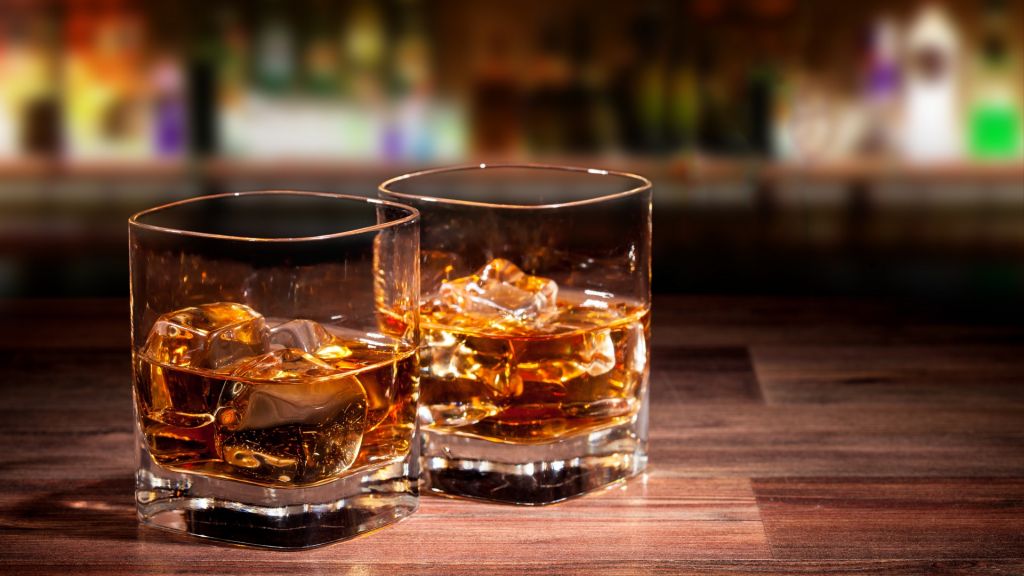
Some alternatives are designed to be enjoyed neat or with ice, offering contemplative sipping experiences that emphasize aroma and depth. Thoughtful use of botanicals and wood-inspired notes invites drinkers to savor complexity, much like a traditional spirit.
Cocktails and Mocktails
For mixologists and home bartenders, non alcoholic whiskey and bourbon are revolutionizing mocktails. Classic cocktails like the Old Fashioned, Sazerac, or Whiskey Sour — historically alcohol-centric — can now be reimagined with zero-proof bases that preserve the spirit of the drink without the alcohol.
Cocktail societies and bartending communities are embracing these alternatives, sharing recipes that honor tradition while celebrating innovation. This has helped broaden acceptance and inspired creativity behind the bar.
Cultural and Lifestyle Shifts
The growth of non-alcoholic spirits aligns with broader cultural shifts. Younger generations, especially Gen Z, are redefining drinking norms — emphasizing moderation, health, and social experiences that don’t revolve around intoxication.
This isn’t about abstinence; it’s about mindful consumption. Consumers are choosing to drink less alcohol without sacrificing ritual, taste, or social connection. non alcoholic whiskey and bourbon alternatives offer a way to participate fully in social occasions — whether it’s a celebratory toast, a quiet evening at home, or a creative cocktail hour — without the downsides of alcohol.
Challenges and Opportunities
Despite rapid growth, the category still faces challenges. Many zero-proof spirits struggle to perfectly emulate the mouthfeel and heat that non alcoholic sparkling champagne provides, leading some drinkers to describe certain products as lacking or uneven compared to their alcoholic counterparts.
However, these challenges are also opportunities. Distillers and flavor innovators are experimenting with new techniques — from advanced maturation methods to botanical layering — that may further close the gap between zero-proof and traditional spirits. The market’s projected expansion suggests a future where non alcoholic whiskey and bourbon aren’t just alternatives but standalone classics in their own right.
Building Your Non-Alcoholic Bar
For those curious about exploring this revolution, there are several compelling options to consider:
SOBOUR Rye Style 0.0% Alcohol Free – A rye-inspired non-alcoholic spirit with smoky, peppery, and caramel notes.
Lyre’s American Malt – A popular bourbon-style non-alcoholic alternative with caramel, vanilla, and oak flavors.
Spiritless Kentucky 74 – A bourbon-inspired zero-proof spirit designed for both sipping and cocktails.
These alternatives can be enjoyed on their own or used to elevate mocktails and zero-proof cocktails, offering drinkers the aroma, complexity, and ritual that traditional rye and bourbon have long provided.
Conclusion
The rise of non alcoholic whiskey and bourbon alternatives represents more than a trend — it’s a flavor revolution. Fueled by consumer demand for wellness, diversity, and sophisticated taste, zero-proof spirits are carving out a meaningful place in modern drinking culture.
Whether you’re sober-curious, health-focused, or simply an adventurous palate, these alternatives offer a compelling way to enjoy the rich, nuanced world of rye and bourbon — without the alcohol.