Understanding the Route and Travel Flow
A trip from Delhi to the Taj Mahal is not complicated, but poor timing can make it inefficient. The distance is around 230 km, and most travelers use the Yamuna Expressway for a direct road journey. Travel time stays between three to four hours if you leave early. The key factor here is not speed but timing. A late start creates delays at every stage, including traffic, entry lines, and return travel.
Why Early Departure Changes the Experience
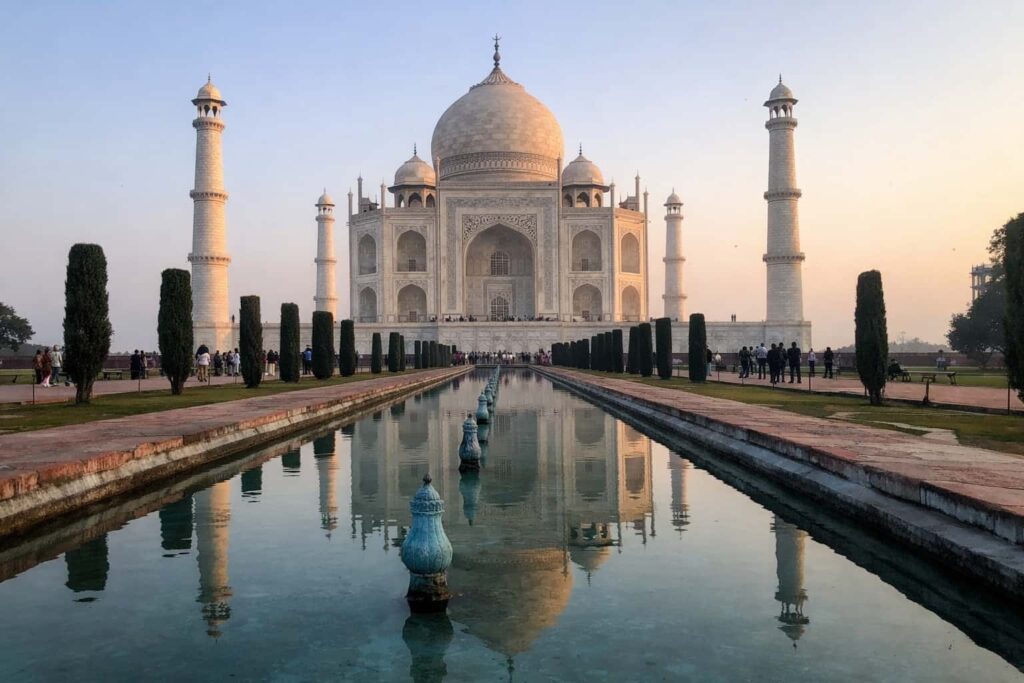
Starting early is not a suggestion, it is a requirement if you want a clean experience. Leaving Delhi before sunrise allows you to reach Agra before the peak crowd builds up. The Taj Mahal opens at sunrise, and this is the only time when the environment feels controlled and calm. As the day progresses, crowd density increases and reduces both viewing quality and movement inside the complex.
A well-timed Taj Mahal Tour from Delhi focuses on this early entry window. Without it, the entire trip feels rushed even if you have enough hours available.
Entry Process and Time Allocation
The entry system is structured but can slow you down if you are not prepared. Online ticket booking reduces waiting time. Security checks are strict, so carrying minimal items helps you move faster. Inside the complex, the time you spend matters more than the number of places you visit.
Two hours is a practical minimum for the Taj Mahal. Anything less results in a surface-level visit where you only see the main structure and exit. A complete walk includes the main gate view, the central platform, and the garden layout that defines the monument’s design.
Extending the Trip Beyond the Taj Mahal
After visiting the Taj Mahal, the next logical stop is Agra Fort. This location adds historical context and gives a broader view of the Mughal period. However, adding too many stops creates pressure on your schedule. A day trip works best when limited to two main locations.
Lunch should be planned after the main visit. This keeps your energy stable without affecting your entry timing. Spending too much time in restaurants reduces the time available for actual sightseeing.
When a One-Day Plan Works Best
A One Day Taj Mahal Tour from Delhi is most effective when your priority is efficiency. It allows you to experience a major landmark without extending your travel schedule. This format suits travelers who want a focused visit rather than a detailed exploration of the city.
However, the plan fails if you try to include too many activities. The structure should remain simple. Start early, visit the Taj Mahal, add one secondary location, and return without unnecessary delays.
Managing Return Travel and Avoiding Fatigue
The return journey is often ignored during planning, but it impacts the overall experience. Leaving Agra by late afternoon helps you avoid night traffic and reduces travel fatigue. A delayed return creates unnecessary stress, especially if you have plans the next day.
The entire trip depends on discipline in timing. Each delay adds up and reduces the quality of the experience.
Final Execution Strategy
A Taj Mahal trip from Delhi works when you control time, not when you try to optimize cost alone. The structure is simple but needs to be followed strictly. Early departure, limited stops, and focused time inside the monument define a successful trip. If these elements are aligned, the experience remains smooth and efficient without feeling rushed.