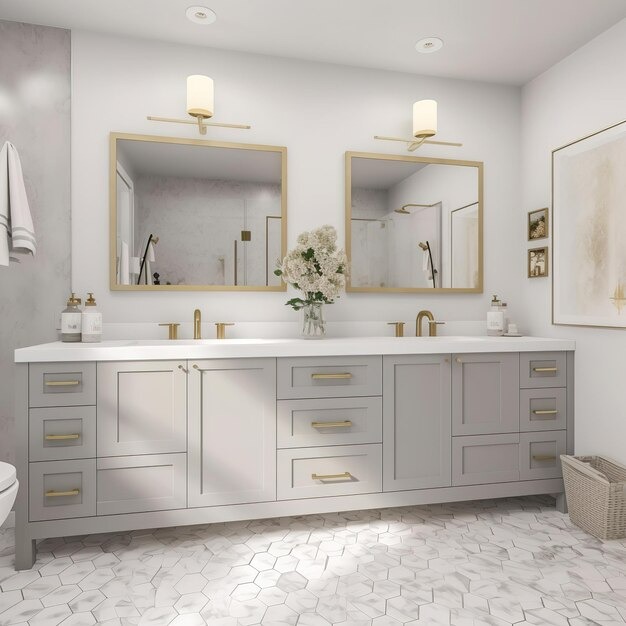
When you own or renovate a historic home in Washington, DC, every design decision matters. Your cabinetry isn’t just about storage—it’s a visual and architectural statement that should honor the home’s legacy while supporting modern living. If you choose the wrong style, materials, or finishes, you risk disrupting the character that makes your property unique.
So how do you ensure your cabinets fit seamlessly into a historic DC home? By understanding architectural styles, prioritizing authenticity, and blending timeless craftsmanship with subtle modern functionality.
Below, you’ll find practical, actionable guidance to help you make confident decisions.
Understand Your Home’s Architectural Style
Before selecting cabinet designs, you need to identify your home’s architectural roots. Washington, DC is known for Federal, Victorian, Colonial Revival, and Craftsman-style homes. Each style has distinct cabinet characteristics.
- Federal and Colonial homes favor symmetry, clean lines, and understated elegance. Cabinets here should feel refined, not ornate.
- Victorian homes allow more decorative detailing, including raised panels and intricate moldings.
- Craftsman homes emphasize simplicity, natural materials, and visible craftsmanship.
When you align your cabinetry with your home’s architectural language, the result feels cohesive rather than forced.
Choose Timeless Cabinet Door Styles
The door style is one of the most noticeable features in your kitchen or bathroom. In historic homes, simplicity and proportion are key.
Best-fitting options include:
- Shaker-style cabinets: Clean, recessed panels that suit almost any historic setting.
- Inset cabinets: Doors sit flush within the frame, offering a traditional, furniture-like appearance.
- Beaded inset cabinets: Add subtle detailing without overwhelming the design.
Avoid overly modern slab doors or high-gloss finishes, as they often clash with historic aesthetics.
If you’re exploring tailored options, investing in Custom Cabinets Washington DC ensures your cabinetry aligns perfectly with your home’s period details.
Select Authentic Materials
Historic homes were built with natural, durable materials. Your cabinetry should reflect that same authenticity.
Top material choices:
- Solid hardwoods like maple, oak, cherry, or walnut
- Plywood boxes instead of particleboard
- Natural veneers for consistency and durability
Avoid synthetic materials that look artificial or age poorly. Real wood not only enhances visual appeal but also develops character over time—something especially valuable in historic homes.
Focus on Period-Appropriate Finishes
Your cabinet finish should complement the home’s age and style. Instead of trendy colors, opt for finishes that feel timeless.
Recommended finishes include:
- Painted cabinets in classic shades like white, cream, sage, or muted gray
- Stained wood finishes that highlight natural grain
- Hand-applied finishes that create depth and subtle variation
Distressed or antiqued finishes can also work well, but they must be done carefully to avoid looking artificial.
Incorporate Traditional Hardware
Hardware is a small detail that makes a big impact. The wrong knobs or pulls can instantly modernize a traditional space in the wrong way.
Best hardware choices:
- Bin pulls and cup pulls for kitchens
- Antique brass, oil-rubbed bronze, or polished nickel finishes
- Porcelain knobs for a vintage touch
Look for hardware styles that were commonly used during your home’s era. Consistency is key—mixing too many finishes can disrupt the visual flow.
Maintain Proportion and Scale
Historic homes often have unique layouts and ceiling heights. Oversized cabinets or bulky designs can feel out of place.
Keep these tips in mind:
- Match cabinet height to ceiling proportions
- Use stacked cabinets with crown molding for taller spaces
- Avoid overly deep cabinets in smaller rooms
Well-proportioned cabinetry enhances the architectural integrity of your home rather than overpowering it.
Add Custom Details That Reflect Craftsmanship
Historic homes are known for their craftsmanship. Your cabinets should reflect that same attention to detail.
Consider adding:
- Crown molding and light rail molding
- Decorative panels or applied moldings
- Furniture-style legs or toe-kick details
These subtle enhancements create a built-in, authentic look that feels original to the home.
Working with a skilled team like Meisterbuilders Inc allows you to incorporate these custom elements seamlessly while maintaining historical accuracy.
Blend Modern Functionality Thoughtfully
While preserving history is important, you still need cabinets that work for modern living. The key is to integrate functionality without compromising aesthetics.
Smart upgrades include:
- Soft-close hinges and drawer slides
- Pull-out shelves and organizers
- Hidden appliances and integrated panels
Keep modern features discreet. The goal is for your cabinets to look historic while functioning like a contemporary space.
Respect Original Architectural Features
If your home still has original trim, flooring, or built-ins, your cabinets should complement—not compete with—those features.
Design around:
- Existing moldings and trim profiles
- Original wood tones and finishes
- Window and door placements
Matching or echoing these details helps create a unified design that feels intentional.
Consider Built-In Cabinetry
Built-ins are a hallmark of many historic DC homes. Incorporating them into your design enhances authenticity.
Examples include:
- Built-in pantry cabinets
- Window seat storage
- Glass-front display cabinets
These elements add charm while increasing functionality, making them a smart investment for historic properties.
Work With Experienced Professionals
Designing cabinets for a historic home isn’t a one-size-fits-all process. It requires careful planning, skilled craftsmanship, and a deep understanding of traditional design principles.
When you’re ready to move forward, take the time to Contact Us for expert guidance. The right team will help you balance preservation with practicality, ensuring your cabinets enhance both beauty and value.
Avoid Common Mistakes
Even with the best intentions, certain design choices can undermine your efforts.
Watch out for:
- Ultra-modern finishes or colors
- Poor-quality materials that don’t age well
- Ignoring the home’s architectural style
- Over-customizing in a way that feels inconsistent
Staying grounded in timeless design principles helps you avoid costly missteps.
Final Thoughts
Choosing the right cabinet design for your historic DC home is about more than aesthetics—it’s about respect for craftsmanship, attention to detail, and thoughtful integration of modern needs.
When you focus on authentic materials, classic styles, and proper proportions, your cabinets become a natural extension of your home’s history. And when done right, they don’t just look beautiful—they feel like they’ve always been there.
FAQs
- What cabinet style works best for historic DC homes?
Shaker and inset cabinet styles are ideal. They offer clean lines and traditional craftsmanship that align with most historic architectural designs. - Can I use modern features in historic cabinets?
Yes, but keep them hidden. Soft-close hinges and pull-out storage can be integrated without affecting the traditional appearance. - What materials should I choose for authenticity?
Solid hardwoods like maple, cherry, or oak are best. They match historic construction and age beautifully over time. - Are painted cabinets suitable for historic homes?
Yes. Neutral, classic colors like white, cream, or muted tones work well and maintain historical character. - Why should I choose custom cabinets for my home?
Custom cabinets ensure precise fit, proper proportions, and design consistency, which are essential for preserving a historic home’s integrity.