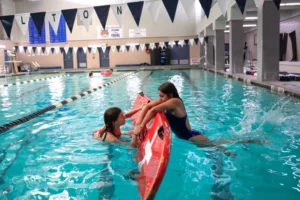
Lifeguard recertification is a process designed to renew the lifeguard certification you earned after completing a lifeguard training course. It ensures that lifeguards maintain the skills and knowledge needed to respond effectively in emergencies, prevent accidents, and continue working in aquatic environments.
What Is Lifeguard Recertification?
Lifeguard recertification is a refresher course required to extend the validity of your lifeguard certification. Lifeguard certifications typically expire every two years, and to maintain your qualifications, you need to complete a recertification course. This course involves revisiting the core skills and knowledge from the initial training, ensuring that lifeguards are prepared to handle emergencies and continue their work safely.
Recertification typically includes:
- Water rescue techniques
- CPR (Cardiopulmonary Resuscitation)
- AED (Automated External Defibrillator) usage
- First aid for injuries
- Emergency action plans (EAPs)
It is a mandatory requirement to ensure that your certification remains active and that you continue to meet the high standards expected in aquatic safety.
Why Is Lifeguard Recertification Important?
1. Maintain Certification
The most obvious reason to complete recertification is to keep your certification active. Lifeguard certification is required for employment at many aquatic facilities, and you can’t work as a lifeguard if your certification has expired.
2. Stay Up-to-Date with Safety Protocols
Recertification ensures that lifeguards remain familiar with the latest safety protocols. Training techniques and procedures evolve over time, and recertification courses update you on new techniques, tools, and emergency response practices.
3. Refresher on Life-Saving Skills
Even experienced lifeguards can benefit from a refresher on crucial life-saving skills. Recertification helps reinforce water rescue techniques, CPR, and first aid so that lifeguards are confident and ready for any emergency.
4. Career Maintenance
For those working as professional lifeguards, recertification is often a job requirement. Completing your recertification ensures you are eligible for continued employment in lifeguard roles.
What’s Included in a Lifeguard Recertification Course?
Lifeguard recertification courses focus on reviewing and updating the core skills learned in your initial certification course. The curriculum includes:
1. Water Rescue Techniques
- Review of rescue methods for both active and passive victims
- Submerged rescues and proper use of rescue equipment (e.g., flotation devices, rescue tubes, backboards)
2. CPR, AED, and First Aid
- CPR updates for adults, children, and infants
- AED usage for cardiac emergencies
- First aid for common injuries like cuts, sprains, burns, and more
3. Emergency Action Plans (EAPs)
- Revisit and practice emergency action procedures, including activating emergency medical services (EMS), directing responders, and managing a rescue team.
4. Spinal Injury Management
- Refresher on handling victims with suspected spinal injuries while stabilizing the head and neck to prevent further harm.
5. Surveillance and Prevention
- Review scanning techniques to monitor swimmers, identify unsafe behaviors, and prevent accidents before they happen.
How Long Does Recertification Take?
Lifeguard recertification courses are typically shorter than initial certification courses and can usually be completed in 1 to 2 days. The course involves:
- A brief classroom review of essential concepts
- Hands-on practice of water rescue techniques, CPR, AED, and first aid
- Written and practical exams to assess knowledge and skills
The duration of the course will vary depending on the provider and whether you are taking a refresher course or a more comprehensive recertification program.
How to Find Lifeguard Recertification Courses Near You
If your lifeguard certification is about to expire, you need to find a recertification course near you. Here are some ways to locate training providers:
1. Local Pools and Recreation Centers
Many community pools and recreation centers offer recertification programs. Contact the facility where you were originally certified, or inquire at other local pools and fitness centers to see if they offer recertification.
2. Water Parks and Resorts
Water parks and resorts often provide recertification courses for their staff, and some may open these programs to the public. Check with local water parks to see if they offer courses.
3. National Lifeguard Organizations
National organizations like the American Lifeguard Association (ALA) and Red Cross have approved training centers and may list local courses on their websites. You can visit their sites to find certified recertification providers near you.
4. Colleges and Universities
Some colleges or universities with aquatics programs offer recertification courses for students or the community. Contact the physical education or recreation department to inquire.
5. Online Options
Some organizations offer online recertification for certain components of lifeguard training (e.g., CPR). However, for hands-on skills (like rescues), in-person training is usually required.
How Much Does Lifeguard Recertification Cost?
The cost of lifeguard recertification varies based on the provider and the location but generally ranges between $50 to $150. Costs may include:
- Course fees for the training itself
- Certification and materials (e.g., certification cards, manuals)
- Recertification renewal fees (for CPR and first aid)
Check with your local training providers for exact pricing and payment options.
Recertification Requirements
Lifeguard certification is typically valid for two years. To maintain your certification, you must complete a recertification course before it expires. If your certification has been expired for an extended period, you may need to retake the entire training course rather than just the recertification.
Career Opportunities with Lifeguard Recertification
Completing lifeguard recertification keeps you qualified for various roles, such as:
- Lifeguard at public and private pools
- Beach lifeguard
- Water park safety staff
- Aquatic supervisor or manager
- Lifeguard instructor
Recertification ensures you can continue to work as a lifeguard and advance in your career.
Finalization
Lifeguard recertification is a vital step in maintaining your ability to work as a professional lifeguard. It ensures your skills and knowledge are up-to-date, helping you stay prepared to handle emergencies effectively. Whether you’re looking to maintain your current position or keep your certification active for future opportunities, completing your recertification course is essential.