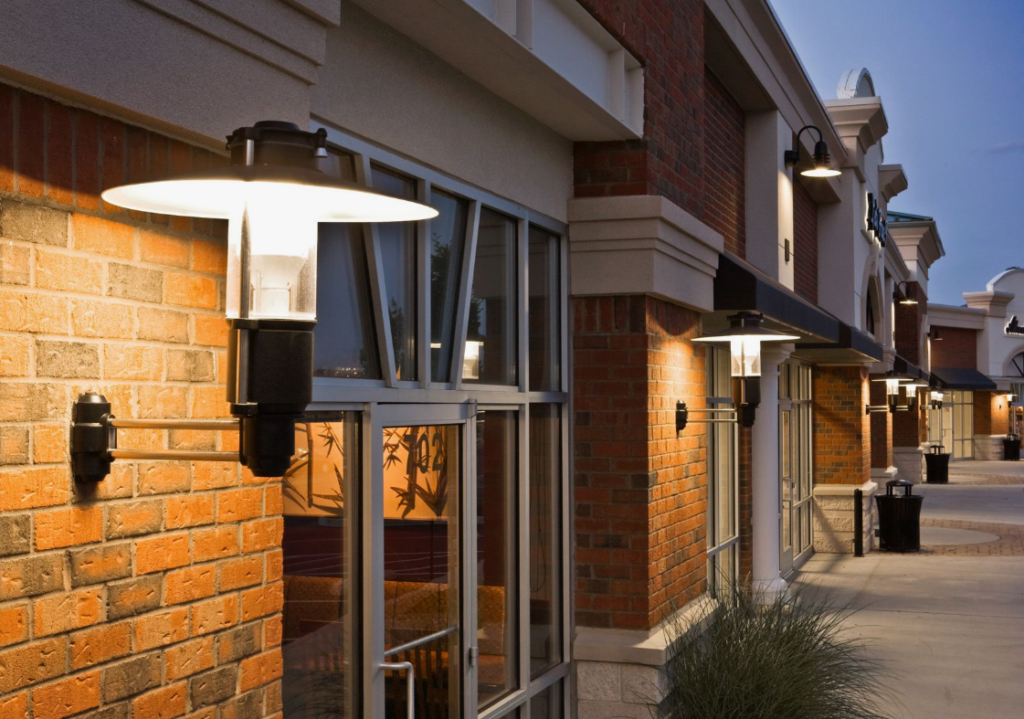
Lighting plays a critical role in how commercial buildings are perceived after dark. Exterior commercial building lighting is used to enhance visibility, improve safety, highlight architecture, and strengthen brand identity. In modern commercial design, exterior lighting is no longer optional it is an essential part of building presentation and functionality.
From office towers and retail centers to hotels and industrial facilities, well-planned exterior lighting transforms ordinary structures into visually striking landmarks while improving security and accessibility.
Importance of Exterior Commercial Lighting
Exterior lighting is one of the first elements people notice when approaching a commercial property at night. It directly influences perception, safety, and brand image.
Effective exterior commercial building lighting improves visibility for customers, employees, and visitors while also highlighting architectural features. It helps businesses stand out in busy commercial areas and creates a welcoming atmosphere.
In addition, proper lighting increases security by reducing dark areas around entrances, parking lots, and walkways.
Types of Exterior Commercial Lighting
Different lighting systems are used depending on building design, purpose, and environment.
Facade Lighting
Facade lighting highlights the exterior structure of a building. It emphasizes architectural details and creates a strong visual identity at night.
Flood Lighting
Flood lights provide wide-area illumination for large commercial spaces such as parking lots, warehouses, and stadiums.
LED Wall Washing Lights
Wall washing lights create a smooth, even glow across building surfaces, enhancing texture and design elements.
Spot Lighting
Spotlights are used to highlight specific architectural features, signage, or decorative elements.
Accent Lighting
Accent lighting adds depth and dimension by focusing on key areas of a building exterior.
Signage Lighting
Illuminated signage ensures that business names and logos remain visible at all times, improving brand recognition.
Benefits of Exterior Commercial Building Lighting
Investing in professional exterior commercial building lighting offers several long-term advantages.
Enhanced Visibility
Well-lit buildings are easier to see at night, improving accessibility and customer awareness.
Improved Safety and Security
Lighting reduces dark areas, helping prevent accidents and deterring unauthorized activity.
Strong Brand Identity
Lighting can highlight logos, architecture, and design elements that reflect brand identity.
Increased Property Value
Well-designed lighting enhances the overall appearance and value of commercial properties.
Better Customer Experience
A well-lit exterior creates a welcoming and professional environment for visitors.
Applications of Exterior Lighting
Exterior lighting is used across a wide range of commercial properties.
Office Buildings
Lighting highlights architecture and ensures safe access for employees and visitors.
Retail Centers
Retail lighting attracts customers and enhances storefront visibility.
Hotels and Hospitality
Hotels use lighting to create ambiance and luxury appeal.
Industrial Facilities
Factories and warehouses use lighting for safety and operational efficiency.
Public Buildings
Government and institutional buildings use lighting for visibility and security.
Key Elements of Effective Lighting Design
Successful exterior commercial building lighting requires careful planning and execution.
Strategic Placement
Lighting must be placed to maximize visibility without creating glare or shadows.
Energy Efficiency
Modern systems prioritize LED technology to reduce energy consumption.
Color Temperature Selection
Warm lighting creates a welcoming atmosphere, while cool lighting emphasizes modern design.
Layered Lighting Approach
Combining different lighting types creates depth and visual balance.
Weather Resistance
Outdoor fixtures must withstand rain, wind, heat, and environmental exposure.
Benefits of LED Exterior Lighting
LED technology has become the standard for modern commercial lighting systems.
- Low energy consumption
- Long operational lifespan
- Reduced maintenance costs
- High brightness output
- Environmentally friendly performance
These benefits make LED systems ideal for large-scale commercial applications.
Challenges in Exterior Commercial Lighting
Designing and maintaining exterior lighting systems comes with challenges.
Energy Management
Balancing brightness with energy efficiency is essential for cost control.
Installation Complexity
Large buildings require careful planning and specialized installation techniques.
Weather Conditions
Outdoor lighting must withstand harsh environmental conditions.
Maintenance Requirements
Regular maintenance ensures consistent performance and safety.
How to Choose Exterior Commercial Lighting Solutions
Selecting the right lighting system is important for long-term performance and visual impact.
Understand Building Design
Lighting should complement architectural style and structure.
Focus on Functionality
Lighting must ensure safety, visibility, and accessibility.
Prioritize Energy Efficiency
LED systems help reduce long-term operational costs.
Work with Professionals
Expert designers ensure proper planning, installation, and performance optimization.
Consider Brand Identity
Lighting should reflect the business’s image and enhance recognition.
Importance of Lighting in Commercial Architecture
Exterior lighting plays a major role in modern architecture by enhancing design, improving usability, and increasing visual appeal. It transforms buildings into recognizable landmarks and strengthens brand presence.
Effective exterior commercial building lighting supports both functional needs and aesthetic goals, making it a key part of commercial property development.
Conclusion
Exterior commercial building lighting is essential for improving visibility, safety, and architectural appeal. From facade lighting and LED systems to signage illumination and flood lighting, every element contributes to a stronger and more attractive commercial presence.