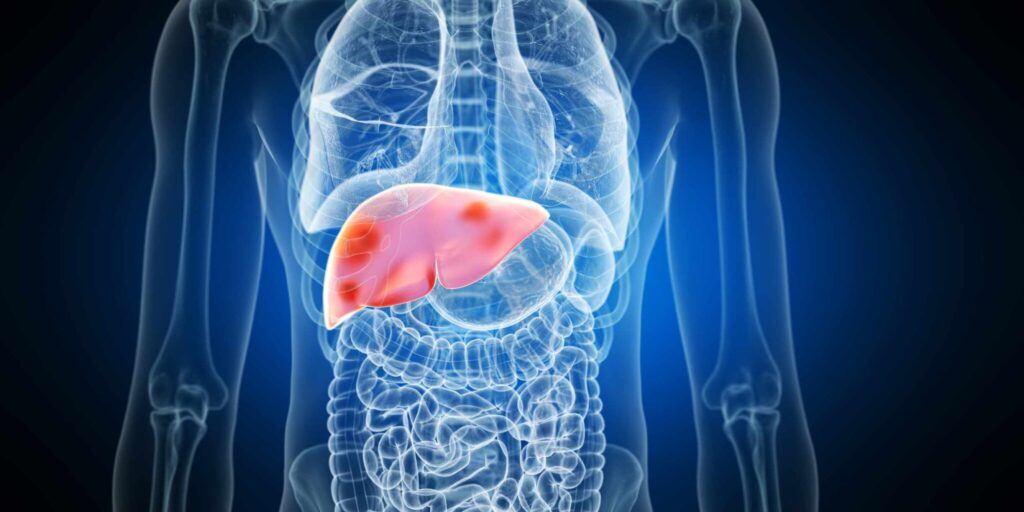
The liver is one of the most important organs in the human body. It helps process nutrients, remove toxins, and support many essential functions. When excess fat builds up in the liver, it can lead to a condition known as fatty liver disease. This condition is becoming increasingly common due to modern lifestyles, unhealthy eating habits, obesity, and other health issues.
Many people do not realize they have fatty liver disease because it often develops without noticeable symptoms in the early stages. However, if left untreated, it can progress and cause serious liver damage. Understanding the available tests, treatment options, and care methods is important for maintaining liver health and preventing complications.
Today, fatty liver treatment focuses on identifying the cause of the condition, improving lifestyle habits, and monitoring liver health through appropriate medical care. Early diagnosis and proper management can help many individuals improve liver function and reduce the risk of long-term complications.
Understanding Fatty Liver Disease
Fatty liver disease occurs when fat accumulates in liver cells. A small amount of fat in the liver is normal, but excessive fat can interfere with liver function.
There are two main types of fatty liver disease:
Non-Alcoholic Fatty Liver Disease (NAFLD)
This type occurs in people who drink little or no alcohol. It is often associated with:
- Obesity
- Diabetes
- High cholesterol
- High triglycerides
- Metabolic syndrome
- Sedentary lifestyle
Alcohol-Related Fatty Liver Disease
This type develops due to excessive alcohol consumption. Continued alcohol use can worsen liver damage and lead to more serious liver conditions.
Common Causes of Fatty Liver Disease
Several factors can increase the risk of developing fatty liver disease.
Obesity
Excess body weight is one of the most common causes of fat accumulation in the liver.
Type 2 Diabetes
High blood sugar levels can contribute to increased fat storage in liver cells.
High Cholesterol and Triglycerides
Abnormal blood lipid levels often play a role in fatty liver disease.
Poor Diet
A diet rich in processed foods, sugary beverages, and unhealthy fats can increase liver fat.
Lack of Physical Activity
Regular exercise helps the body use energy efficiently and reduces fat buildup.
Excessive Alcohol Consumption
Alcohol can damage liver cells and lead to fatty liver disease.
Certain Medications
Some medications may increase the risk of liver fat accumulation in certain individuals.
Symptoms of Fatty Liver Disease
Many people experience no symptoms during the early stages. As the condition progresses, symptoms may include:
- Fatigue
- Weakness
- Mild abdominal discomfort
- Feeling of fullness in the upper right abdomen
- Unexplained weight loss
- Difficulty concentrating
In advanced stages, symptoms may become more serious and require immediate medical attention.
Why Early Diagnosis Matters
Early diagnosis allows healthcare providers to identify the severity of the condition and create a personalized treatment plan.
Benefits of early diagnosis include:
- Prevention of liver inflammation
- Reduced risk of liver scarring
- Better management of related health conditions
- Improved long-term liver health
- Higher chances of reversing liver fat accumulation
Tests Used to Diagnose Fatty Liver Disease
Accurate diagnosis is an important step before starting any treatment plan.
Medical History and Physical Examination
The evaluation usually begins with a detailed review of:
- Medical history
- Family history
- Lifestyle habits
- Alcohol consumption
- Existing health conditions
A physical examination may help identify signs associated with liver disease.
Blood Tests
Blood tests are commonly used to assess liver function.
These tests may include:
- Liver enzyme tests
- Complete blood count
- Blood sugar tests
- Cholesterol profile
- Triglyceride levels
Abnormal liver enzyme levels may indicate liver inflammation or damage.
Ultrasound Scan
An ultrasound is one of the most common imaging tests used to detect excess fat in the liver.
Benefits include:
- Non-invasive procedure
- Quick examination
- No radiation exposure
- Widely available
FibroScan
FibroScan is a specialized test that measures liver stiffness and helps evaluate liver fibrosis or scarring.
It can help determine whether fatty liver disease has progressed to a more advanced stage.
CT Scan
A CT scan can provide detailed images of the liver and identify fat accumulation.
MRI Scan
MRI technology may offer highly detailed images and help measure liver fat more accurately.
Liver Biopsy
In some cases, a liver biopsy may be recommended.
During this procedure:
- A small liver tissue sample is collected.
- The sample is examined under a microscope.
- Doctors assess inflammation, fibrosis, and liver damage.
Although not required for every patient, it may be useful when the diagnosis is unclear.
Fatty Liver Treatment Approaches
Treatment depends on the cause and severity of the condition.
The primary goal is to reduce liver fat and prevent further liver damage.
Lifestyle Modifications
Lifestyle changes remain the foundation of successful fatty liver treatment.
Weight Management
Gradual and healthy weight loss can significantly reduce liver fat.
Recommended strategies include:
- Balanced nutrition
- Portion control
- Regular exercise
- Consistent monitoring
Rapid weight loss should be avoided because it may worsen liver health.
Healthy Diet
A nutritious diet supports liver recovery and overall well-being.
Foods to include:
- Fresh fruits
- Vegetables
- Whole grains
- Lean protein
- Healthy fats
- Nuts and seeds
Foods to limit:
- Sugary beverages
- Processed foods
- Fried foods
- Excess sweets
- Refined carbohydrates
Regular Physical Activity
Exercise plays an important role in reducing liver fat.
Helpful activities include:
- Walking
- Cycling
- Swimming
- Jogging
- Strength training
Most individuals benefit from regular physical activity throughout the week.
Managing Diabetes
Proper blood sugar control is essential for people with diabetes and fatty liver disease.
Healthcare providers may recommend:
- Blood sugar monitoring
- Dietary adjustments
- Medications when necessary
Cholesterol Control
Managing cholesterol and triglyceride levels can help improve liver health.
Recommended measures include:
- Healthy eating habits
- Exercise
- Weight management
- Medical treatment when needed
Avoiding Alcohol
For individuals with fatty liver disease, limiting or completely avoiding alcohol is often recommended.
This can reduce ongoing liver stress and support healing.
Medication Management
Currently, no single medication can cure fatty liver disease.
However, healthcare providers may prescribe medications to manage:
- Diabetes
- High cholesterol
- Obesity
- Related metabolic conditions
Treatment plans are customized according to individual health needs.
Advanced Care for Fatty Liver Disease
Some patients may develop more serious liver conditions, including:
Non-Alcoholic Steatohepatitis (NASH)
NASH occurs when fatty liver disease progresses and causes inflammation and liver cell damage.
Liver Fibrosis
Fibrosis refers to the formation of scar tissue within the liver.
Cirrhosis
Cirrhosis is advanced liver scarring that can affect liver function significantly.
Patients with advanced disease require close monitoring and specialized medical care.
Preventing Fatty Liver Disease
Prevention is often easier than treatment.
Simple steps include:
Maintain a Healthy Weight
Healthy weight management lowers the risk of fat accumulation in the liver.
Follow a Balanced Diet
Choose nutrient-rich foods and reduce processed food intake.
Stay Active
Regular exercise supports metabolism and overall health.
Monitor Blood Sugar
Managing diabetes effectively helps protect the liver.
Control Cholesterol Levels
Regular health checkups can help detect abnormalities early.
Limit Alcohol Consumption
Reducing alcohol intake can lower the risk of liver damage.
Attend Regular Medical Checkups
Routine screening can identify liver problems before symptoms appear.
Importance of Long-Term Monitoring
Fatty liver disease often requires ongoing follow-up.
Regular monitoring may include:
- Blood tests
- Liver imaging
- Weight assessments
- Cholesterol evaluation
- Blood sugar monitoring
These evaluations help track progress and ensure treatment goals are being achieved.
Living Well with Fatty Liver Disease
A fatty liver diagnosis does not necessarily mean permanent liver damage. Many people experience significant improvement when they adopt healthier habits and follow medical advice.
Positive lifestyle changes can lead to:
- Reduced liver fat
- Better energy levels
- Improved metabolic health
- Lower risk of complications
- Enhanced quality of life
Consistency is the key to successful management. Small daily improvements often lead to meaningful long-term results.
Conclusion
Fatty liver disease is a common condition that can affect people of all ages. Fortunately, early diagnosis, proper testing, and effective care methods can help prevent disease progression and support liver health. From blood tests and imaging studies to lifestyle modifications and ongoing monitoring, a comprehensive approach is essential for successful fatty liver treatment.
If you are concerned about liver health or have symptoms that may indicate fatty liver disease, consulting an experienced liver specialist is an important step. Dr. Neil Philip Galletly provides expert evaluation, diagnosis, and management of liver disorders, helping patients receive personalized care and guidance for better long-term liver health.