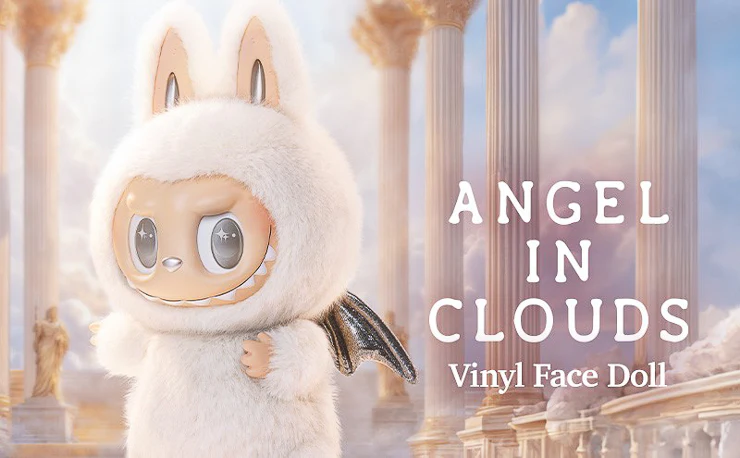
labubu
In the ever-expanding world of designer toys, few characters have managed to capture global attention quite like Labubu. At first glance, Labubu appears strange, almost chaotic in design—a small creature with sharp teeth, wide expressive eyes, and a mischievous grin that feels both playful and slightly unsettling. Yet this very contradiction is what has made Labubu one of the most recognizable figures in contemporary collectible culture.
Created by Hong Kong artist Kasing Lung, Labubu is part of The Monsters universe, a whimsical yet dark fantasy world filled with strange creatures that reflect emotion, imagination, and childhood curiosity. Unlike traditional toys designed purely for cuteness or realism, Labubu thrives in ambiguity. It is neither fully adorable nor entirely scary—it exists in the emotional space between comfort and chaos, which is exactly why collectors feel so deeply connected to it.
Over the years, Labubu has evolved from a niche art figure into a global collectible phenomenon, especially through collaborations and blind box releases by POP MART. Today, it is not just a toy but a cultural symbol of modern art consumption, emotional storytelling, and designer toy fandom.
The Origin Story: From Sketchbook to Global Phenomenon
The story of Labubu begins with Kasing Lung’s artistic imagination, rooted in European fairy tales and dark fantasy aesthetics. Before Labubu became a collectible figure, it existed as a sketch—one among many strange creatures inhabiting the artist’s illustrated worlds. Lung’s style has always leaned toward emotional storytelling, where characters are not designed to be perfect but to feel alive, flawed, and expressive.
Labubu, specifically, represents curiosity and mischief. Its wide grin filled with jagged teeth is not meant to intimidate but to express uncontrolled emotion—something like laughter that is too honest to hide. This emotional rawness is what separates Labubu from typical commercial mascots.
When POP MART discovered the potential of Kasing Lung’s creations, they helped transform Labubu from an illustrated character into a physical collectible figure. Through vinyl toys, keychains, plush dolls, and limited-edition art pieces, Labubu entered the world of designer collectibles and quickly gained a dedicated following.
Design Language: The Beauty of Imperfection
What makes Labubu visually unforgettable is its deliberate imperfection. The character’s design rejects traditional standards of beauty in favor of expressive exaggeration. Its oversized head, small body, pointed ears, and uneven teeth create a visual identity that feels alive rather than manufactured.
Labubu face is its strongest storytelling element. The eyes often appear curious, mischievous, or even slightly chaotic, depending on the figure’s variation. The smile—wide, toothy, and irregular—has become its signature trait, symbolizing uncontrolled emotion and playful rebellion.
Unlike many mainstream collectible figures that rely on polished symmetry, Labubu thrives in asymmetry. This design philosophy aligns with modern art trends that celebrate individuality and emotional authenticity. Each Labubu figure feels like it carries a personality rather than just a design.
Color variations also play a major role. From earthy tones that emphasize its forest-like origins to neon and pastel collaborations that highlight modern pop aesthetics, Labubu adapts without losing its core identity. This adaptability has made it a favorite canvas for artistic experimentation.
Emotional Appeal: Why People Connect With Labubu
At the heart of Labubu’s popularity is emotion. People are drawn to it not because it is conventionally beautiful, but because it feels emotionally honest. In a world where digital perfection dominates social media, Labubu represents something refreshingly raw.
Collectors often describe Labubu as a reflection of their inner contradictions. It is cute but chaotic, innocent but mischievous, comforting but unpredictable. This emotional duality allows individuals to project their own feelings onto the character.
For some, Labubu represents childhood imagination—those strange creatures we once drew without rules or expectations. For others, it symbolizes emotional complexity, the idea that joy and chaos can exist together. This depth of interpretation is rare in collectible toys, making Labubu more than just a decorative object.
It becomes a companion, a symbolic expression of personality, and in many cases, a form of emotional comfort.
POP MART and the Blind Box Culture Revolution
The global rise of Labubu cannot be separated from the influence of POP MART and its innovative blind box marketing strategy. Blind boxes are sealed packages that hide the specific figure inside until opened, creating an experience of surprise and anticipation.
This model transformed Labubu collecting into an emotional experience rather than a simple purchase. Each unboxing becomes a moment of suspense, excitement, and sometimes disappointment—yet even that disappointment contributes to the emotional journey of collecting.
POP MART’s distribution strategy also helped Labubu reach international audiences. From Asia to Europe and beyond, collectors began trading, displaying, and discussing Labubu figures in online communities. Limited editions and rare variants increased its desirability, turning Labubu into both an art piece and a collectible investment.
However, beyond commercial success, POP MART helped democratize designer toys. Labubu is not locked inside elite art galleries; it exists in everyday homes, desks, and personal collections, making contemporary art more accessible than ever.
Labubu in Modern Pop Culture
Labubu has gradually become more than a collectible—it is now part of modern visual culture. It appears in social media content, fashion collaborations, fan art, and even lifestyle photography. Its expressive face makes it highly photogenic, which has contributed to its popularity in digital spaces like Instagram and TikTok.
One of the reasons Labubu resonates so strongly in online culture is its adaptability. It can be styled, posed, and interpreted in countless ways. Whether placed in minimalist aesthetic photography or vibrant, chaotic setups, Labubu always stands out.
Collaborations with designers and brands have also expanded its reach. Limited-edition Labubu releases often sell out quickly, becoming highly sought-after collector’s items. This scarcity, combined with emotional attachment, fuels a strong resale and trading culture around the figure.
Labubu has also inspired a growing fan community that creates stories, animations, and interpretations of its world. In this way, it has transcended its original form and become a shared creative language.
The Philosophy Behind Labubu: Chaos as Identity
At a deeper level, Labubu represents a philosophy of embracing imperfection. In traditional design thinking, symmetry, clarity, and polish are often prioritized. Labubu rejects this approach in favor of emotional realism.
Its chaotic smile and unpredictable expression suggest that identity does not need to be stable or perfect. Instead, it can be fluid, expressive, and contradictory. This idea resonates strongly with modern audiences who increasingly value authenticity over perfection.
Kasing Lung’s artistic vision plays a crucial role here. Through Labubu and The Monsters universe, he explores emotional landscapes that feel both nostalgic and surreal. The characters are not meant to provide answers but to reflect feelings that are difficult to articulate.
In this sense, Labubu is not just a toy—it is a visual metaphor for human complexity.
Collecting Labubu: More Than a Hobby
For collectors, Labubu is not simply something to own; it is something to experience. The act of collecting becomes a journey of discovery, patience, and emotional connection. Each figure adds a new layer to the collector’s personal narrative.
Some collectors focus on completing entire series, while others seek rare editions that hold artistic or monetary value. However, the most dedicated fans often emphasize emotional connection over rarity.
Display culture is also a major part of the Labubu experience. Shelves filled with Labubu figures often resemble miniature art installations, each piece contributing to a larger visual story. Lighting, arrangement, and thematic grouping turn collections into personal exhibitions.