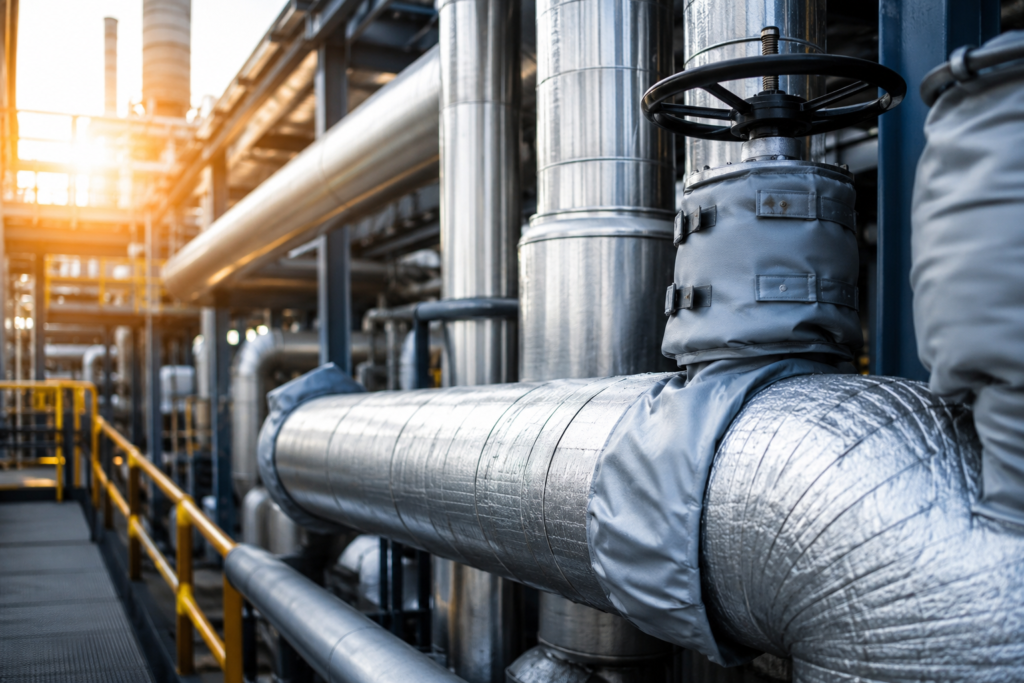
Managing an industrial facility involves balancing operational efficiency, safety, maintenance costs, and regulatory compliance. Every system within a plant or processing facility contributes to overall performance, and insulation is one of the most overlooked yet valuable investments. Proper insulation reduces energy waste, protects equipment, improves workplace safety, and supports consistent production in demanding industrial environments.
Selecting the right Industrial Insulation Services is not simply about installing insulation materials around pipes or equipment. It requires technical expertise, knowledge of industrial processes, and an understanding of how different insulation systems perform under varying operating conditions. Facility managers who make informed decisions can significantly reduce operational costs while extending the lifespan of critical assets.
Whether you’re overseeing a manufacturing plant, refinery, chemical processing facility, food production plant, or power generation site, understanding what to look for in an insulation contractor can help maximize both short-term and long-term returns.
Why Industrial Insulation Matters More Than Ever
Industrial facilities consume substantial amounts of energy every day. Without effective insulation, a significant portion of that energy is lost through heat transfer, forcing systems to work harder than necessary.
Proper industrial insulation provides several important benefits:
- Reduces energy consumption
- Improves process temperature control
- Protects employees from hot surfaces
- Minimizes condensation issues
- Prevents equipment corrosion
- Extends equipment lifespan
- Supports environmental sustainability
- Helps meet industry regulations
In today’s competitive industrial landscape, reducing unnecessary operating expenses has become a priority, making insulation a strategic investment rather than a routine maintenance task.
Understanding Different Types of Industrial Insulation
Every industrial environment has unique operating requirements. Choosing the correct insulation system starts with understanding available materials and their applications.
Thermal Insulation
Thermal insulation minimizes heat loss or heat gain in pipes, tanks, boilers, and process equipment. It is commonly used in:
- Steam systems
- Hot water pipelines
- Heat exchangers
- Industrial furnaces
- Processing vessels
Maintaining consistent temperatures improves production efficiency while lowering fuel consumption.
Cold Insulation
Cold insulation prevents condensation and temperature fluctuations in refrigerated systems.
Common applications include:
- Chilled water systems
- Cold storage facilities
- Food processing plants
- Refrigeration piping
- LNG facilities
Proper vapor barriers are especially important for preventing moisture-related damage.
Acoustic Insulation
Industrial equipment often generates excessive noise levels.
Acoustic insulation helps reduce sound transmission from:
- Compressors
- Turbines
- Pumps
- HVAC systems
- Industrial generators
Lower noise exposure contributes to a safer and more comfortable workplace.
Fire Protection Insulation
Fire-resistant insulation systems slow heat transfer during emergencies and help facilities comply with fire safety standards.
Industries handling high-temperature operations particularly benefit from these specialized solutions.
Factors Every Facility Manager Should Evaluate
Choosing an insulation provider requires more than comparing prices.
Several critical factors determine the long-term value of the investment.
Experience in Industrial Environments
Industrial facilities present complex operating conditions that differ significantly from commercial buildings.
Look for contractors experienced in:
- Manufacturing plants
- Petrochemical facilities
- Oil and gas operations
- Power generation
- Mining
- Marine applications
Industry-specific experience often results in better planning and fewer installation challenges.
Material Selection Expertise
No single insulation material fits every application.
Experienced professionals evaluate:
- Operating temperature
- Moisture exposure
- Chemical resistance
- Mechanical durability
- Fire performance
- Maintenance accessibility
Common insulation materials include:
- Mineral wool
- Calcium silicate
- Fiberglass
- Cellular glass
- Polyisocyanurate
- Elastomeric foam
Selecting the appropriate material directly impacts insulation performance and service life.
Knowledge of Energy Efficiency
Energy efficiency is one of the primary reasons organizations invest in insulation upgrades.
An experienced contractor should calculate:
- Heat loss reduction
- Energy savings
- Return on investment
- Payback period
These evaluations help facility managers justify capital expenditures to stakeholders.
Safety Should Always Come First
Industrial insulation plays an important role in workplace safety.
Hot equipment surfaces can cause severe injuries when left exposed.
Proper insulation helps:
- Reduce burn hazards
- Protect workers
- Improve equipment accessibility
- Maintain OSHA compliance
- Lower accident risks
A well-designed insulation system creates a safer operating environment while supporting productivity.
Corrosion Under Insulation (CUI): A Hidden Threat
One of the biggest concerns in industrial facilities is Corrosion Under Insulation (CUI).
Moisture trapped beneath damaged insulation can silently corrode metal piping and equipment for years before detection.
To reduce CUI risks:
- Choose moisture-resistant insulation
- Install quality weather barriers
- Perform regular inspections
- Replace damaged jacketing promptly
- Address water intrusion immediately
Preventative maintenance costs significantly less than unexpected equipment failures.
Importance of Proper Installation
Even premium insulation materials perform poorly if installed incorrectly.
Professional installation ensures:
- Proper joint sealing
- Accurate thickness
- Moisture protection
- Secure fastening
- Complete system coverage
Poor workmanship often creates thermal bridges that reduce efficiency and increase maintenance costs.
Maintenance and Inspection Matter
Insulation systems require periodic inspections throughout their service life.
Routine evaluations should check for:
- Water damage
- Missing insulation
- Physical impact damage
- Corrosion
- Weather barrier failures
- Animal intrusion
Preventive maintenance helps facilities avoid expensive emergency repairs while preserving energy efficiency.
How Industrial Scaffolding Supports Insulation Projects
Large industrial insulation projects frequently require safe access to elevated equipment.
Temporary industrial scaffolding provides access to:
- Boilers
- Storage tanks
- Pipe racks
- Heat exchangers
- Towers
- Processing units
Coordinating insulation and scaffolding services improves project efficiency while minimizing production downtime.
Questions to Ask Before Hiring an Insulation Contractor
Facility managers should carefully evaluate potential service providers.
Consider asking:
Do they understand your industry?
Experience in your specific industrial sector often results in better project planning.
Can they recommend multiple insulation solutions?
A knowledgeable contractor explains various material options instead of promoting only one product.
Do they prioritize safety?
Review their safety record, certifications, and jobsite procedures.
Can they support maintenance after installation?
Long-term support ensures insulation systems continue performing effectively.
Are they familiar with industry standards?
Contractors should understand applicable codes and engineering requirements.
The Value of Long-Term Partnerships
Industrial facilities benefit from working with insulation specialists who understand the site’s unique infrastructure.
Rather than treating every project independently, long-term partners develop familiarity with:
- Existing insulation systems
- Maintenance schedules
- Equipment layouts
- Future expansion plans
- Operational priorities
For facilities seeking experienced support across industrial insulation, mechanical insulation, scaffolding, and infrastructure projects, G & R Insulating offers comprehensive solutions. Learn more about its industrial capabilities by visiting and exploring how specialized insulation strategies can improve operational efficiency.
Common Mistakes Facility Managers Should Avoid
Even experienced managers occasionally overlook important considerations.
Avoid these common mistakes:
Choosing Based Only on Price
The lowest bid often results in lower-quality materials or workmanship.
Ignoring Life-Cycle Costs
Higher-quality insulation frequently delivers greater long-term savings through lower maintenance and reduced energy consumption.
Delaying Repairs
Minor insulation damage can quickly become larger, more expensive problems.
Skipping Energy Assessments
Understanding existing heat loss helps prioritize upgrades with the highest return.
Neglecting Documentation
Accurate insulation records simplify future inspections, maintenance, and equipment modifications.
Future Trends in Industrial Insulation
The insulation industry continues evolving with new technologies.
Emerging developments include:
- High-performance insulation materials
- Digital thermal inspections
- Predictive maintenance technologies
- Sustainable insulation products
- Smart facility monitoring
- Improved corrosion detection systems
Facilities adopting modern insulation strategies are better positioned to reduce energy costs while meeting increasingly strict environmental expectations.
FAQ-
What are Industrial Insulation Services?
Industrial Insulation Services involve designing, installing, maintaining, and repairing insulation systems for industrial equipment, piping, tanks, boilers, and processing facilities to improve efficiency, safety, and equipment performance.
Why is industrial insulation important?
Industrial insulation reduces heat loss, lowers energy costs, protects employees, minimizes corrosion risks, improves temperature control, and extends equipment life.
How often should industrial insulation be inspected?
Most facilities benefit from annual inspections, although high-temperature or harsh operating environments may require more frequent evaluations.
Which insulation material is best for industrial facilities?
The ideal material depends on operating temperature, moisture exposure, fire resistance requirements, mechanical durability, and process conditions. A professional assessment helps determine the most suitable option.
Can insulation reduce maintenance costs?
Yes. Proper insulation helps prevent equipment deterioration, reduces corrosion risks, improves efficiency, and lowers the frequency of major repairs over time.
Conclusion
Industrial insulation is far more than a protective covering for equipment—it’s a strategic investment that influences energy efficiency, operational reliability, workplace safety, and long-term maintenance costs. Facility managers who evaluate contractor expertise, material quality, installation standards, and ongoing maintenance support are better equipped to make decisions that deliver lasting value.
By partnering with experienced professionals and prioritizing high-quality insulation systems, industrial facilities can improve performance while reducing unnecessary expenses. Investing in the right insulation solution today helps create a safer, more efficient, and more sustainable operation for years to come.