A vehicle’s timing chain plays one of the most important roles in keeping the engine running smoothly. Although timing chains are designed to last significantly longer than timing belts, they are not immune to wear and mechanical failure. For many Mini owners, understanding the timing chain replacement cost and recognising the early warning signs can help prevent expensive engine damage and unexpected breakdowns.
Modern Mini vehicles, particularly turbocharged models, are engineered for performance and efficiency. However, several Mini engines have developed a reputation for timing chain wear, making regular inspections and preventative maintenance increasingly important. Drivers who understand how timing chain systems work, why they fail, and when replacement becomes necessary are better prepared to protect their investment.
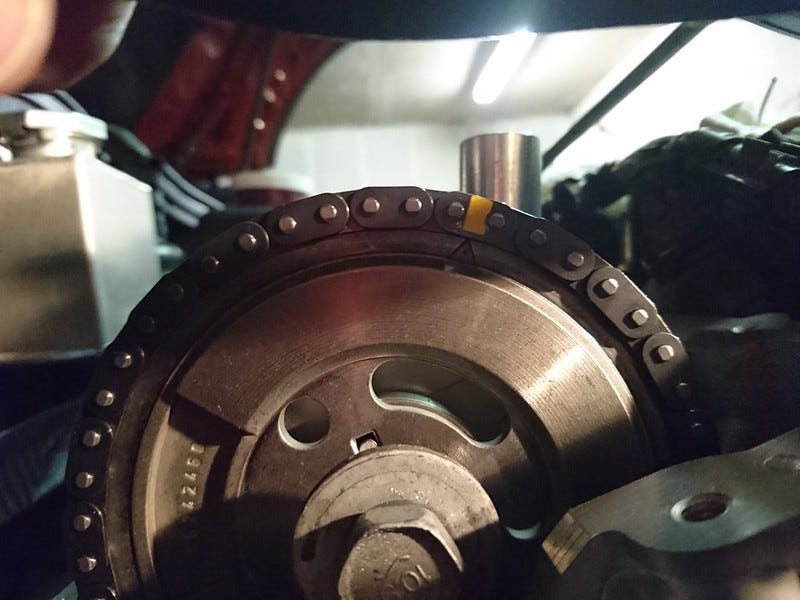
This guide explores the causes of timing chain problems, replacement considerations, maintenance best practices, and the factors that influence repair costs across the United Kingdom.
Understanding the Role of a Mini Timing Chain
The timing chain synchronises the rotation of the crankshaft and camshaft. This precise timing ensures that engine valves open and close exactly when needed during combustion.
Unlike traditional rubber timing belts, timing chains are manufactured from hardened steel and operate inside the engine using constant lubrication from engine oil. Their durable construction allows them to last much longer, but “lifetime” does not necessarily mean they never require replacement.
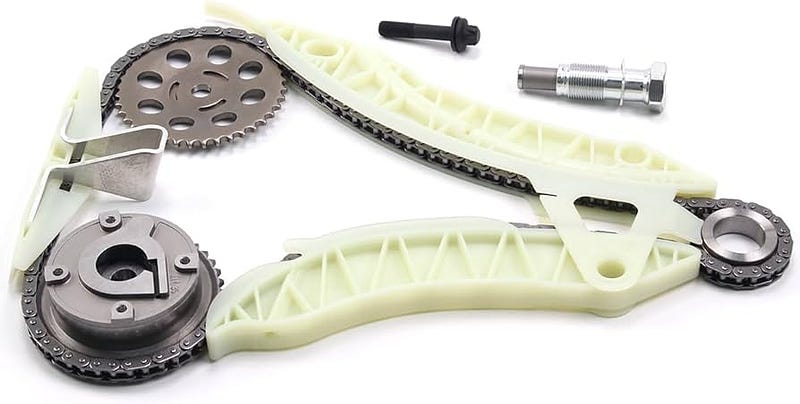
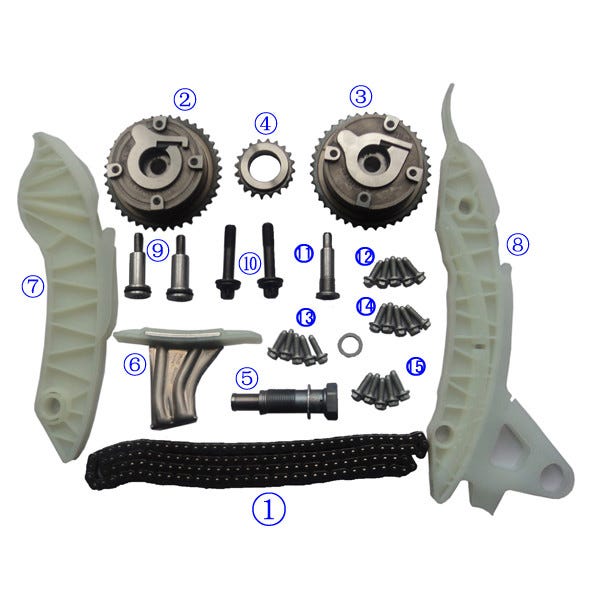
A healthy timing chain system consists of several components:
- Timing chain
- Chain guides
- Hydraulic tensioner
- Camshaft sprockets
- Crankshaft gear
- Variable valve timing components (where fitted)
Failure of any one of these parts can affect the entire timing system.
Why Timing Chains Wear Over Time
Although timing chains are stronger than belts, continuous engine operation gradually causes wear.
Several factors contribute to premature deterioration:
Poor Oil Maintenance
Engine oil lubricates the timing chain and hydraulic tensioner. Low-quality oil or missed servicing intervals accelerate wear.
Dirty oil may also reduce hydraulic tension, allowing excessive chain slack.
High Mileage
As mileage increases, metal components naturally stretch slightly through repeated heating and cooling cycles.
Over many thousands of miles, this minor stretch becomes significant enough to affect valve timing.
Worn Chain Guides
Plastic chain guides absorb constant friction.
Over time they become brittle or crack, allowing the chain to move excessively.
Hydraulic Tensioner Problems
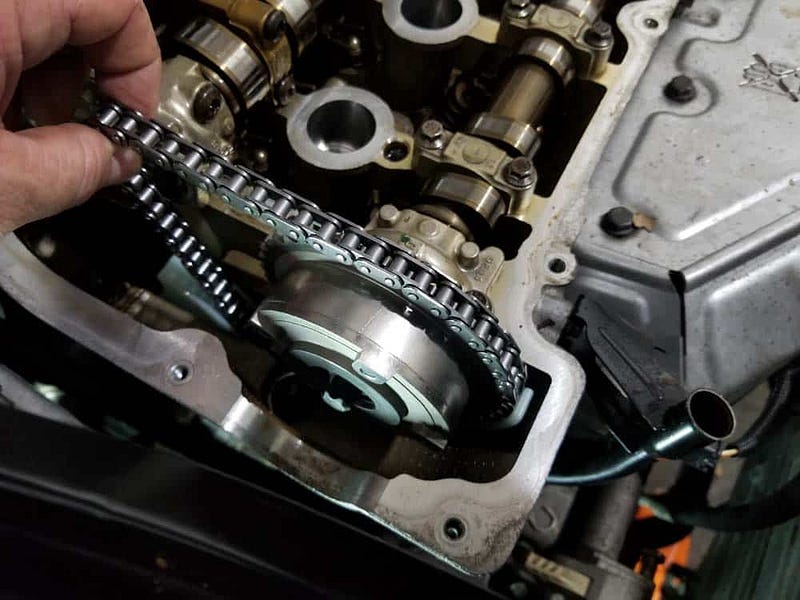
A weak tensioner cannot maintain proper chain tension during engine startup, often producing a noticeable rattling noise.
Why Mini Cooper Models Receive Particular Attention
Many automotive specialists have identified timing chain concerns in several Mini engine generations.
The issue became especially common in certain turbocharged petrol engines where owners experienced symptoms much earlier than expected.
As a result, mini cooper timing chain replacement has become one of the more frequently researched maintenance topics among UK Mini owners.
This does not mean every Mini will develop problems, but awareness allows owners to detect early symptoms before major failures occur.
Routine servicing and quality engine oil significantly reduce long-term risk.
Common Warning Signs of Timing Chain Problems
Recognising symptoms early often prevents severe engine damage.
Typical warning signs include:
- Metallic rattling during cold starts
- Engine management warning light
- Rough idle
- Poor acceleration
- Engine misfires
- Loss of power
- Difficulty starting
- Unusual engine vibration
- Timing-related diagnostic fault codes
These symptoms should never be ignored because continued driving with a stretched chain may allow the timing to jump.
Even one skipped tooth on the timing gear can result in costly internal engine damage.
Factors Affecting Timing Chain Replacement Cost
Many vehicle owners search for timing chain replacement cost because repair estimates vary considerably.
Several variables influence the final price.
Vehicle Model
Different Mini models require different labour procedures.
Engine accessibility varies significantly between generations.
Engine Variant
Turbocharged engines often require more dismantling.
This increases labour hours.
Additional Parts
Replacing only the chain is rarely recommended.
Most technicians install:
- New tensioner
- Chain guides
- Sprockets where required
- Gaskets
- Seals
- Fresh engine oil
- Oil filter
- Coolant if necessary
Replacing the complete timing system improves long-term reliability.
Labour Time
Timing chain replacement is labour intensive.
Accessing the chain requires removal of multiple engine components, making professional installation essential.
Understanding Mini Cooper S Timing Chain Systems
Performance-focused models often place additional stress on engine components.
The mini cooper s timing chain replacement procedure can involve additional complexity because turbocharged engines generate higher operating temperatures and loads.
Performance driving, frequent short journeys, and delayed servicing may increase wear rates.
Owners who regularly maintain oil quality often experience significantly better timing chain longevity.
Can You Drive with a Noisy Timing Chain?
Many drivers continue using their vehicle after hearing occasional engine rattles.
Unfortunately, delaying inspection increases risk.
Potential consequences include:
- Bent valves
- Damaged pistons
- Broken timing chain
- Cylinder head damage
- Complete engine failure
The cost of replacing a timing chain is usually far lower than rebuilding an engine after catastrophic failure.
Preventative Maintenance That Extends Timing Chain Life
Although timing chains eventually wear, proper maintenance can significantly increase service life.
Helpful practices include:
- Follow manufacturer oil change intervals
- Use manufacturer-approved engine oil
- Replace oil filters regularly
- Investigate engine warning lights promptly
- Avoid prolonged driving with low oil levels
- Listen for unusual engine noises during cold starts
Small maintenance decisions often prevent expensive repairs later.
Professional Diagnosis Matters
Timing chain symptoms can resemble several unrelated engine issues.
Professional technicians usually begin with:
- Diagnostic fault code scanning
- Oil pressure checks
- Engine noise inspection
- Camshaft timing analysis
- Visual inspection where possible
Accurate diagnosis prevents unnecessary replacement of unrelated components.
Only experienced technicians should confirm timing chain wear before repairs begin.
Why Complete Timing Kits Are Preferred
Automotive professionals rarely replace only the chain.
Instead, comprehensive timing chain kits provide longer-lasting repairs.
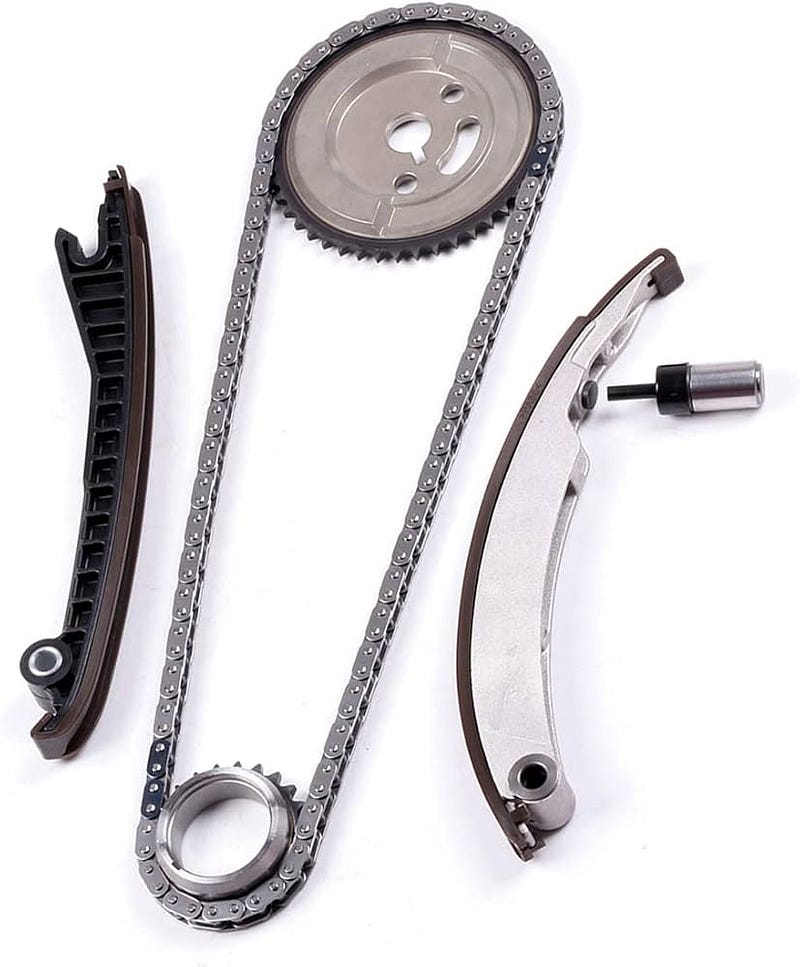
Typical replacement kits include:
- Timing chain
- Hydraulic tensioner
- Chain guides
- Guide rails
- Sprockets where applicable
- Seals
- Gaskets
Replacing all wear components together reduces the likelihood of future failures.
Industry Trends in Engine Timing Systems
Vehicle manufacturers continue improving timing chain technology.
Modern developments include:
Improved Materials
Chains now use stronger alloys that resist stretching.
Enhanced Lubrication
Updated oil delivery systems provide better lubrication under varying engine loads.
Smarter Engine Management
Modern engine control units monitor camshaft timing more accurately.
Diagnostic systems can detect chain stretch earlier than previous generations.
Better Hydraulic Tensioners
Newer tensioner designs maintain more consistent chain pressure during cold starts.
These innovations improve durability but still rely heavily on proper maintenance.
When Should a Timing Chain Be Replaced?
Unlike timing belts, timing chains generally have no fixed replacement interval.
Replacement depends on condition rather than mileage alone.
Professional inspection becomes increasingly important when vehicles display:
- Persistent engine rattles
- High mileage
- Timing-related fault codes
- Reduced engine performance
- Irregular valve timing readings
Preventative replacement is often recommended once significant wear is confirmed.
Choosing a Qualified Repair Specialist
Timing chain replacement requires specialised knowledge.
When selecting a repair workshop, consider:
- Experience with Mini engines
- Access to manufacturer repair procedures
- Quality replacement components
- Diagnostic equipment
- Transparent repair explanations
- Warranty on workmanship where applicable
Independent specialists familiar with Mini vehicles often understand the common timing chain concerns associated with different engine generations.
For example, automotive service providers such as S&M Auto Service publish educational guidance about mini timing chain replacement considerations, helping vehicle owners better understand common symptoms and maintenance expectations before scheduling repairs.
Common Misconceptions About Timing Chains
Several myths continue circulating among motorists.
“Timing chains never fail.”
False.
Although durable, they eventually wear like any mechanical component.
“Only high-mileage cars develop problems.”
Not always.
Poor servicing can accelerate wear even at relatively low mileage.
“Engine rattling is normal.”
Cold-start rattles lasting several seconds should always be investigated.
“Replacing only the chain saves money.”
Short-term savings may result in future repairs if worn guides or tensioners remain installed.
Long-Term Benefits of Early Replacement
Addressing timing chain wear before failure offers several advantages.
Owners may experience:
- Improved engine performance
- Smoother acceleration
- Reduced engine noise
- Better fuel efficiency
- Lower risk of catastrophic engine damage
- Greater long-term reliability
Preventative maintenance usually proves more economical than emergency repairs.
Practical Advice for Mini Owners
Whether purchasing a used Mini or maintaining your current vehicle, timing chain awareness should form part of your maintenance routine.
Useful recommendations include:
- Keep detailed service records.
- Never ignore warning lights.
- Use high-quality lubricants.
- Schedule inspections if unusual noises appear.
- Address oil leaks promptly.
- Choose experienced technicians for diagnosis and repairs.
- Replace complete timing system components rather than individual worn parts.
These straightforward practices contribute to improved engine longevity and reduced ownership costs.
Conclusion
A properly functioning timing chain is essential for maintaining engine reliability, efficiency, and performance. While timing chains generally last longer than timing belts, they remain subject to wear caused by mileage, lubrication quality, driving conditions, and component ageing.
Understanding the warning signs, recognising the factors that influence timing chain replacement cost, and acting promptly when symptoms appear can prevent extensive engine damage. Owners researching mini cooper timing chain replacement or mini cooper s timing chain replacement should focus on accurate diagnosis, complete timing system repairs, and ongoing preventative maintenance rather than waiting for a major mechanical failure.
Educational resources from experienced workshops such as S&M Auto Service can help motorists understand what is involved in a professional repair process and why early intervention is often the most practical long-term approach. Ultimately, informed maintenance decisions not only improve reliability but also contribute to safer driving and lower lifetime ownership costs for Mini vehicles across the United Kingdom.