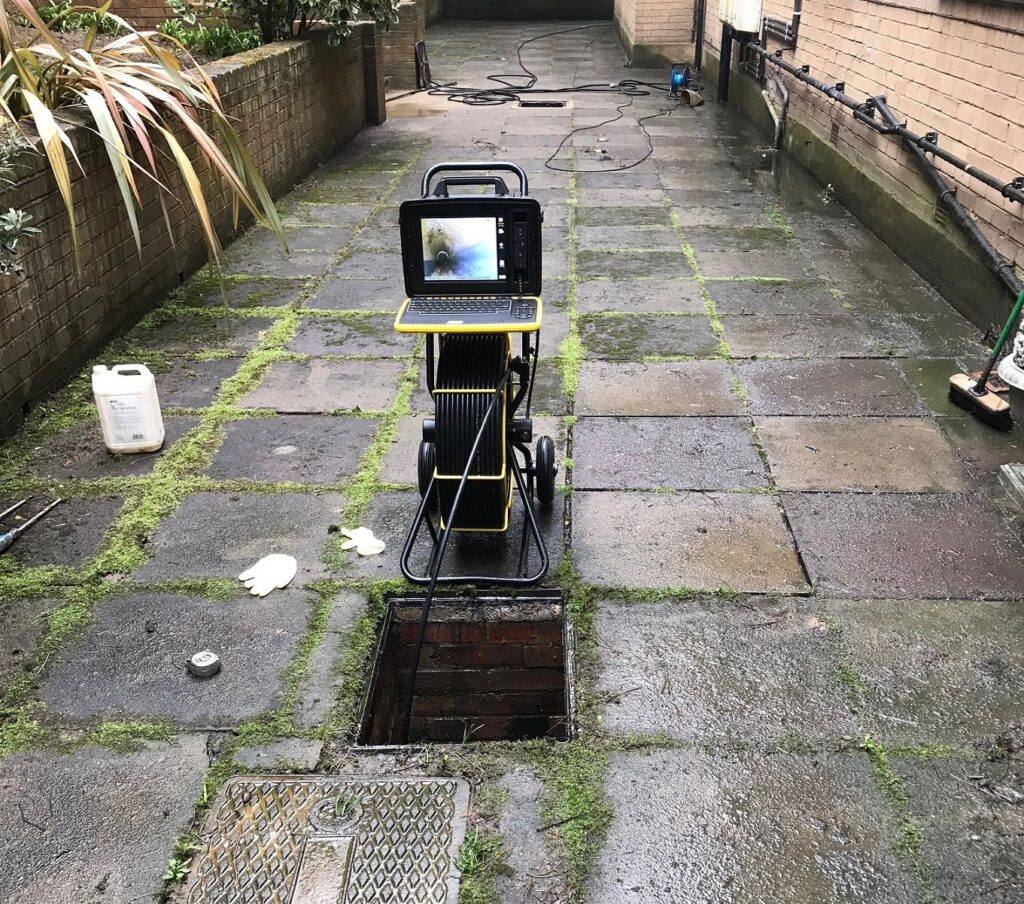
CCTV drain surveys use high-resolution cameras to inspect underground pipes without digging, revealing blockages, cracks, and collapses precisely. Mastering the CCTV Drain Survey Christchurch process saves thousands in unnecessary excavations.
Mistake 1: Skipping Pre-Survey Jetting and Access Checks
Rushing camera insertion into debris-choked pipes causes the crawler unit to snag on roots or grease buildup, halting midway and yielding patchy footage that misses deeper fractures. Unmapped access points, such as manhole covers, lead to fruitless probing, wasting hours. Always jet pipes first with high-pressure water to clear silt, then verify entry routes via ground-penetrating radar or dye tracing for smooth navigation.
Mistake 2: Using Low-Quality Cameras Without Proper Calibration
Cheap push-rod cameras with fuzzy lenses distort views in bends over 45 degrees, mistaking pipe scaling for collapses or shadows for intrusions. Uncalibrated lights wash out details in murky water, overlooking hairline cracks that worsen with the seasons. Invest in 4K crawler cams with 360-degree pan-tilt-zoom, self-levelling heads, and LED intensity controls matched to pipe diameters from 100mm to 1200mm.
Mistake 3: Ignoring Real-Time Analysis During Insertion
Operators fixate on forward views, neglecting side-wall pitting or joint offsets revealed only on pause. Live feeds are ignored in favor of post-recording review, thereby skipping transient issues such as shifting sediment. Train techs to narrate findings aloud—blockage at 12 meters, root ingress at junction—while logging GPS coordinates tied to property grids for instant remedial quotes.
Mistake 4: Producing Incomplete or Generic Reports
Vague summaries like “blockage found” without timestamped stills, defect codes per WRc standards, or pipe gradients leave clients clueless on fixes. Omitting shared responsibility maps for private-public sewers sparks disputes with utilities. Deliver engineered reports with CAD overlays, defect grading (1-5 severity), and scoped repairs like slip-lining costs, plus maintenance schedules.
Mistake 5: Hiring Unqualified Operators Without Certifications
DIY enthusiasts or general plumbers wield rented gear sans drain-specific training, misreading collapses as bellied pipes or grease as structural failure. Lacking NRA-approved credentials, they void insurance during probes gone wrong. Vet for Level 3 NVQ in drain surveys, IPAF cherry picker tickets for larger crawlers, and Confined Spaces certification, plus 5+ years logging 500+ surveys.
Expert Tip 1: Sequence Surveys with Dye and Smoke Testing
Pair CCTV with pre-dye floods to trace cross-connections and confirm that camera paths match actual flows. Smoke pellets post-survey pinpoint leaks invisible on video, halving false positives in adopted sewers.
Expert Tip 2: Factor Pipe Material and Age in Camera Choice
Clayware from the 1960s demands flexible crawlers to navigate offsets; modern PVC needs sonar add-ons for sediment depth. Tailor lens focal lengths—wide-angle for 150mm laterals, telephoto for 900mm mains.
Expert Tip 3: Schedule During Dry Weather Windows
Saturated ground amplifies groundwater inflow, clouding lenses and mimicking collapses. Time surveys post-48-hour dry spells, using flow monitors to cap velocities at < 1 m/s to ensure stable footage.
Expert Tip 4: Integrate GIS Mapping for Repeat Sites
Commercial properties benefit from geo-tagged archives that track defect progression annually. Overlay with asset registers to prioritize relining over patch repairs, extending system life by 20 years.
Expert Tip 5: Verify Post-Survey with Hydraulic Modeling
Raw footage feeds software simulating peak storm flows, validating if root-cuts suffice or full rebuilds loom. This quantifies flood risks, justifying budgets to councils or insurers.
Best Equipment for Luton Van Hire in Wolverhampton
Tail Lift Functionality
Every Luton Van Hire Wolverhampton must feature a hydraulic tail lift—lowers to ground level for trolleys, handling sofas or appliances effortlessly. Test cycle on pickup; smooth operation without oil leaks supports 1-tonne shifts across Black Country routes. Skip non-lift vans for easier access to ground floors.
Load Security & Transport Safety Advice
When transporting goods through challenging routes such as Wolverhampton’s steep roads, preparation is essential. Invest in 8 heavy-duty ratchet straps (5-tonne rating) and 10m nylon ropes to immobilise boxes against sudden A449 braking. Wolverhampton’s hilly terrain demands anti-slip rubber chocks for appliances to prevent costly £500 load-shift claims. Always distribute weight evenly—placing two-thirds towards the rear—for stable handling and improved vehicle control.
For property maintenance and infrastructure checks in Dorset, professional services such as CCTV Drain Survey Shaftesbury can help identify underground structural issues before they become expensive problems, ensuring both residential and commercial sites remain compliant and damage-free.
Trolley and Sack Trucks
A 300kg platform trolley with stair-climbing wheels speeds palletized goods up ramps, halving crew effort for piano moves. Convertible sack barrows handle loose items like bedding, fitting snugly into Luton’s 13ft length. Rubber grips prevent floor marks in rental bays.
Tie-Down Rails and Anchors
Luton interiors shine with factory D-rings—verify 10+ per side for crisscross strapping patterns. Add universal rail kits if absent, bolting to plywood floors for custom securing of motorbikes or e-bikes. Wolverhampton hirers, such as Enterprise, often supply basic anchors.
Tool Kit for On-Road Fixes
Carry a compact kit: adjustable wrench, tire gauge (35 PSI spec), jack, warning triangle, and hi-vis vests for M6 emergencies. Jumper cables handle flat batteries from short trips, keeping hires rolling without depot callbacks.
Packing Boxes and Dividers
Uniform double-wall boxes (18x18x16 inches) stack to a height of 2.2m, utilizing the full volume. Cardboard dividers separate fragile china, minimizing the risk of crushing. Rent from van firms for £2 each, recyclable post-move.