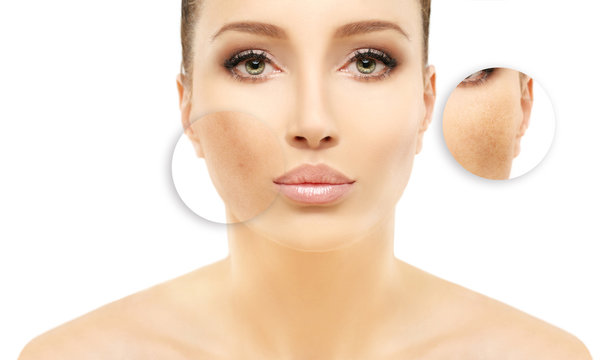
When it comes to achieving a radiant, even complexion, one question consistently tops the search charts: Does Glutathione Lighten Dark Spots? Known in the beauty industry as the “master antioxidant,” glutathione has transitioned from a niche health supplement to a cornerstone of modern dermatological treatments. Unlike surface-level bleaching creams that can be harsh and temporary, glutathione works at the cellular level to address the root causes of hyperpigmentation. In this comprehensive guide, we will explore the science behind this powerful molecule, how it interacts with your skin’s pigment, and what you can realistically expect from treatment.
What is Glutathione?
Before diving into its skin-lightening capabilities, it is essential to understand what glutathione actually is. Naturally produced by the liver, glutathione is a tripeptide composed of three vital amino acids: cysteine, glycine, and glutamic acid. Its primary role in the human body is detoxification and the neutralization of free radicals—unstable molecules that cause oxidative stress and cellular damage.
As we age, or due to factors like poor diet, pollution, and high stress, our natural levels of glutathione begin to deplete. This decline often manifests externally as dull skin, fine lines, and the appearance of stubborn dark patches. By replenishing these levels, many individuals find that they not only feel healthier but also see a visible “glow” in their skin.
How Does Glutathione Lighten Dark Spots?
The process by which glutathione affects skin tone is fascinating and purely biological. It doesn’t “bleach” the skin in a traditional sense; rather, it influences the way your body produces melanin. Melanin is the pigment that gives color to your skin, hair, and eyes. Dark spots, or hyperpigmentation, occur when melanin is overproduced in specific areas.
Glutathione addresses this through three primary mechanisms:
-
Inhibition of Tyrosinase: Tyrosinase is the key enzyme responsible for the production of melanin. Glutathione effectively binds to this enzyme, blocking its activity. Without the “trigger” of tyrosinase, the production of dark pigment slows down significantly.
-
Pigment Switching: There are two types of melanin in the body: Eumelanin (dark brown/black pigment) and Pheomelanin (yellow/red pigment). High levels of glutathione encourage the skin to produce more pheomelanin instead of eumelanin. This leads to a gradual lightening of the skin tone and a reduction in the intensity of dark spots.
-
Antioxidant Protection: Dark spots are often exacerbated by UV damage and inflammation. As a potent antioxidant, glutathione scavenges free radicals that trigger the inflammatory response, preventing new pigmentation from forming while the existing spots fade.
Common Types of Pigmentation Glutathione Can Treat
Hyperpigmentation isn’t a “one-size-fits-all” condition. Various factors contribute to dark patches, and glutathione is effective against most of them:
-
Sun Spots (Lentigines): Also known as liver spots, these are caused by years of UV exposure. Glutathione helps fade these by reducing the melanin clusters.
-
Melasma: Often called the “mask of pregnancy,” melasma is caused by hormonal shifts. While difficult to treat, glutathione can help stabilize the pigment production.
-
Post-Inflammatory Hyperpigmentation (PIH): These are the dark marks left behind after an acne breakout or skin injury. Glutathione speeds up the healing process and lightens the residual staining.
-
Dullness and Uneven Tone: Even without specific spots, many people suffer from a “muddy” or sallow complexion. Glutathione provides a systemic brightening effect.
Delivery Methods: Which One is Best?
If you are asking, “Does Glutathione Lighten Dark Spots effectively?” the answer often depends on the delivery method. Because glutathione is a large molecule, it is not always easily absorbed.
1. Intravenous (IV) Drips
Often considered the “gold standard” for rapid results, IV administration delivers glutathione directly into the bloodstream. This bypasses the digestive system, ensuring 100% bioavailability. Many patients in clinical settings prefer this for treating severe melasma or achieving full-body brightening.
2. Oral Supplements
Oral capsules are convenient but vary in effectiveness. Standard glutathione pills can be broken down by stomach acid before they reach the bloodstream. However, Liposomal or Acetylated glutathione supplements are designed to survive digestion, offering much better absorption for long-term maintenance.
3. Topical Serums and Creams
Topical glutathione is excellent for targeting specific dark spots directly. When used in combination with other brightening agents like Vitamin C or Niacinamide, it helps protect the skin’s surface from oxidative stress while gradually fading discoloration.
Realistic Timelines: When Will You See Results?
One of the most important things to remember is that glutathione is not an overnight fix. Your skin cells need time to turn over (a process that takes about 28 to 40 days).
-
1-4 Weeks: You may notice improved energy levels and a slight “brightness” or glow to the skin.
-
4-8 Weeks: Dark spots begin to lose their sharp edges and fade into the surrounding skin.
-
3-6 Months: This is the window where significant lightening and a more even skin tone are typically achieved.
Consistency is the most critical factor. Stopping treatment early or failing to protect your skin from the sun can reverse the progress you’ve made.
Safety and Side Effects
Glutathione is generally considered safe because it is a substance already present in your body. However, as with any supplement or treatment, there are considerations:
-
Medical Supervision: Especially for IV drips, treatment should always be performed by a qualified professional to ensure the correct dosage and sterile environment.
-
Sun Sensitivity: While glutathione protects against oxidative stress, lighter skin is more susceptible to UV damage. Wearing a broad-spectrum SPF 50 is mandatory during and after treatment.
-
Detox Symptoms: Occasionally, as the body detoxifies, some people may experience mild headaches or skin breakouts initially. These usually subside within a few days.
Conclusion: The Final Verdict
So, Does Glutathione Lighten Dark Spots? The scientific consensus and clinical evidence point to a resounding yes. By addressing the cellular mechanisms of melanin production and neutralizing the damage caused by the environment, glutathione offers a holistic approach to skin brightening.
Whether you are struggling with stubborn acne marks or looking to even out your overall skin tone, glutathione provides a safe, effective, and health-boosting alternative to traditional lightening agents. For the best results, consult with a skincare expert who can tailor a treatment plan involving the right combination of IV therapy, supplements, and topical care.