Engine Solutions: Improving Performance, Efficiency, and Reliability
Introduction
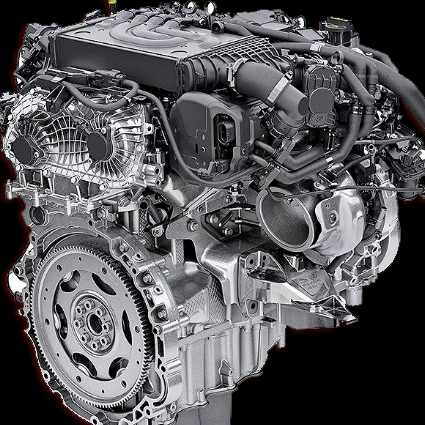
Engines are the heart of modern machines, powering everything from cars and trucks to industrial equipment and generators. As technology continues to evolve, the demand for efficient, reliable, and environmentally friendly engines has increased significantly. Engine solutions refer to the technologies, maintenance practices, and innovations designed to enhance engine performance, extend lifespan, and reduce emissions. These solutions play a crucial role in ensuring that engines operate smoothly while meeting modern efficiency and environmental standards.
This article explores various engine solutions, including maintenance techniques, advanced technologies, fuel efficiency improvements, and future innovations that are transforming the automotive and industrial engine sectors.
Understanding Engine Solutions
Engine solutions involve a combination of mechanical improvements, technological advancements, and regular maintenance practices aimed at optimizing engine functionality. These solutions are applied to resolve common engine problems such as overheating, poor fuel efficiency, excessive emissions, and reduced power output.
Modern engines are complex systems consisting of multiple components like pistons, cylinders, fuel injectors, valves, crankshafts, and cooling systems. If any of these components malfunction, the entire engine performance can be affected. Engine solutions are designed to diagnose, repair, and improve these systems so that the engine continues to perform at its best.
In today’s automotive industry, engine solutions also focus heavily on sustainability by reducing fuel consumption and harmful exhaust emissions.
Importance of Engine Maintenance
Regular engine maintenance is one of the most effective solutions for preventing serious mechanical problems. Maintenance ensures that all components function correctly and that potential issues are identified before they become costly repairs.
Routine maintenance practices include:
-
Regular oil changes to reduce friction between moving parts
-
Replacing air and fuel filters to maintain proper airflow and fuel delivery
-
Checking coolant levels to prevent overheating
-
Inspecting spark plugs and ignition systems for efficient combustion
When engines are properly maintained, they operate more efficiently and consume less fuel. This not only saves money but also reduces environmental impact.
Preventive maintenance also increases the lifespan of an engine, allowing vehicles and machinery to perform reliably for many years.
Advanced Diagnostic Technologies
Modern engine solutions heavily rely on advanced diagnostic technologies. These systems help technicians identify engine problems quickly and accurately. Electronic diagnostic tools are commonly used to scan engine control units (ECUs) and detect faults in various engine components.
Diagnostic systems can monitor:
-
Fuel injection performance
-
Ignition timing
-
Emission levels
-
Air-fuel mixture balance
With the help of computer-based diagnostic tools, mechanics can analyze engine data and pinpoint the exact cause of a problem. This reduces repair time and ensures that the correct solution is applied.
Advanced diagnostics have significantly improved the accuracy and efficiency of engine repair services in the automotive industry.
Fuel Efficiency Solutions
Fuel efficiency is a major concern for both vehicle owners and manufacturers. Engine solutions that improve fuel efficiency help reduce operating costs and environmental pollution.
Several technologies contribute to better fuel economy, including:
Direct Fuel Injection
This technology delivers fuel directly into the combustion chamber, allowing more precise fuel control and improved combustion efficiency.
Turbocharging
Turbochargers increase engine power by forcing more air into the combustion chamber. This allows smaller engines to produce more power while consuming less fuel.
Variable Valve Timing
This system adjusts the timing of valve opening and closing, improving engine performance and fuel efficiency across different driving conditions.
These innovations allow modern engines to produce more power while using less fuel compared to older engine designs sharepoint consulting melbourne.
Emission Control Solutions
Environmental concerns have led to the development of engine solutions that reduce harmful emissions. Governments around the world have introduced strict emission standards, forcing manufacturers to adopt cleaner technologies.
Common emission control technologies include:
Catalytic Converters
These devices convert harmful gases such as carbon monoxide and nitrogen oxides into less harmful substances before they leave the exhaust system.
Exhaust Gas Recirculation (EGR)
EGR systems reduce nitrogen oxide emissions by recirculating a portion of exhaust gases back into the combustion chamber.
Particulate Filters
Used mainly in diesel engines, these filters trap harmful soot particles and prevent them from entering the atmosphere.
These solutions help engines operate in a more environmentally friendly manner while complying with regulatory standards.
Engine Cooling and Lubrication Solutions
Proper cooling and lubrication are essential for maintaining engine health. Engines generate a significant amount of heat during operation, and without effective cooling systems, they can quickly overheat.
Cooling solutions include:
-
Radiators that dissipate heat from the coolant
-
Thermostats that regulate engine temperature
-
Cooling fans that enhance airflow around the radiator
Lubrication systems also play a critical role in engine performance. Engine oil reduces friction between moving components, preventing wear and tear.
Modern lubrication solutions include synthetic oils that offer better thermal stability and improved engine protection. These oils maintain their effectiveness even under extreme temperatures and operating conditions.
Hybrid and Electric Engine Innovations
The future of engine solutions is closely connected to hybrid and electric technologies. Hybrid engines combine traditional internal combustion engines with electric motors, providing improved fuel efficiency and reduced emissions.
Electric vehicles (EVs) eliminate traditional engines entirely, relying on electric motors powered by rechargeable batteries. Although EVs represent a major shift in automotive engineering, many hybrid vehicles still depend on advanced engine solutions to optimize their performance.
Engine manufacturers continue to develop technologies that integrate electric assistance with conventional engines to create more sustainable transportation systems.
Smart Engine Management Systems
Modern vehicles now feature smart engine management systems that control various engine functions electronically. These systems rely on sensors and computer processors to monitor engine conditions in real time.
Engine management systems regulate:
-
Fuel injection timing
-
Ignition timing
-
Air intake levels
-
Emission controls
By constantly adjusting these parameters, the system ensures optimal engine performance under different driving conditions. Smart engine management also improves fuel efficiency and reduces emissions.
These systems represent one of the most important advancements in modern engine technology.
Future Trends in Engine Solutions
The future of engine solutions will likely focus on sustainability, efficiency, and digital innovation. Researchers and engineers are exploring new technologies to improve engine performance while minimizing environmental impact.
Some emerging trends include:
-
Hydrogen-powered engines
-
Advanced hybrid systems
-
Artificial intelligence for engine diagnostics
-
Lightweight engine materials for improved efficiency
These innovations aim to create engines that are more powerful, environmentally friendly, and cost-effective.
As technology continues to evolve, engine solutions will play an essential role in shaping the future of transportation and industrial machinery.
Conclusion
Engine solutions are essential for maintaining the performance, efficiency, and reliability of modern engines. From routine maintenance and advanced diagnostics to fuel efficiency improvements and emission control technologies, these solutions ensure that engines operate at their best.
As the automotive and industrial sectors continue to innovate, new engine technologies will emerge that focus on sustainability and environmental responsibility. Hybrid systems, smart engine management, and alternative fuels are already transforming the way engines are designed and operated.
For more information.