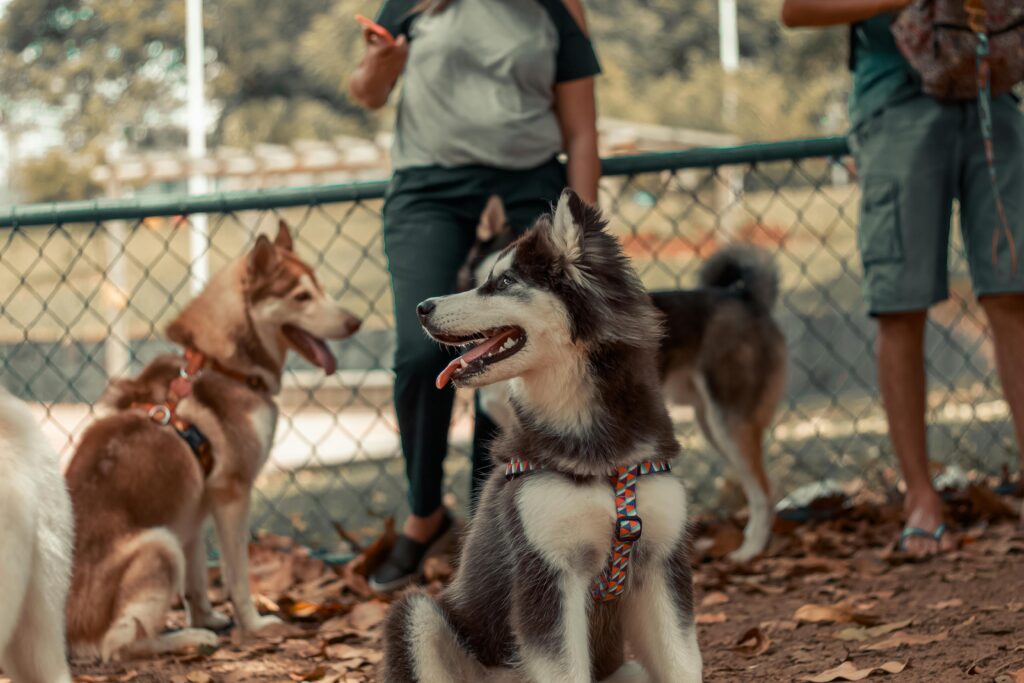
Many dogs know basic commands but struggle to listen when distractions appear. A dog may sit and stay at home but ignore cues outside, around other dogs, or in busy places. This can be frustrating for owners and stressful for dogs. Distraction problems are very common, especially in active environments. Group Training Classes for Dogs are designed to help dogs stay focused and respond reliably even when distractions are present. With structured practice and clear guidance, dogs learn how to manage their attention and behavior in real-life situations.
Why Distractions Are So Hard for Dogs
Dogs experience the world through their senses. Smells, sounds, movement, and other animals can quickly pull their attention away. When too many things happen at once, dogs become overstimulated. At that point, listening becomes difficult. This does not mean the dog is stubborn or untrained. It means the dog needs practice learning how to focus under pressure. Group training helps dogs build this skill gradually.
Understanding What Distraction Problems Look Like
Distraction issues can show up in many ways. Some dogs pull hard on the leash, bark at other dogs, or ignore commands. Others freeze, wander, or become overly excited. These behaviors often happen in parks, on walks, or around guests. Group training helps identify the specific distractions that affect each dog. Once triggers are clear, training can target them directly.
How Group Training Classes for Dogs Improve Focus
Group classes naturally include distractions. Other dogs, people, and movement create a realistic training environment. Trainers guide dogs through exercises while distractions are present. Dogs learn how to stay engaged with their handler instead of reacting automatically. Over time, focus becomes a habit rather than a struggle.
Teaching Dogs to Check In With Their Owners
One key focus skill is checking in. Group training teaches dogs to look at their owner for direction. When dogs learn to check in, they feel safer and more connected. This skill helps dogs pause and think before reacting. It also gives owners a chance to guide behavior calmly.
Building Impulse Control Through Structured Exercises
Impulse control is essential for managing distractions. Group classes include exercises that teach dogs how to wait, stay, and move calmly. Dogs practice holding position while others move nearby. These exercises help dogs slow down mentally and physically. As impulse control improves, distraction problems decrease.
Helping Dogs Stay Calm Around Other Dogs
Other dogs are one of the biggest distractions. Group training teaches dogs how to remain calm and neutral around them. Trainers guide dogs through controlled exposure so excitement or fear does not take over. Dogs learn that they do not need to react to every dog they see.
Improving Leash Manners in Busy Settings
Many distraction problems show up on the leash. Dogs may pull, zig-zag, or stop listening. Group training includes structured leash work that teaches dogs to walk calmly despite distractions. This makes walks safer and more enjoyable for both dog and owner.
Teaching Owners How to Communicate Clearly
Distraction issues are not just about the dog. Owners sometimes send mixed signals without realizing it. Group training helps owners improve timing, body language, and consistency. Clear communication makes it easier for dogs to understand expectations. When owners stay calm and clear, dogs respond better.
Using Positive Reinforcement to Strengthen Focus
Dogs repeat behaviors that are rewarded. Group training uses positive reinforcement to reward attention and calm choices. Dogs learn that focusing on their handler leads to good outcomes. This builds motivation and trust, making learning more effective.
Practicing Skills in Real-Life Situations
Group training prepares dogs for real life, not just training sessions. Dogs practice focus skills in environments that mimic daily outings. This makes it easier for dogs to transfer skills from class to home, walks, and public places.
When Dogs Need Extra Support Before Group Training
Some dogs are too overwhelmed to focus in a group setting at first. Fearful or highly reactive dogs may need extra help. In these cases, trainers may suggest private training for dogs to build basic focus and confidence. Once these skills improve, group training becomes much more effective.
Long-Term Benefits of Reduced Distraction
Dogs who learn to manage distractions behave more consistently. Walks become calmer. Public outings become less stressful. Owners feel more confident handling their dogs in different environments. Reduced distraction improves safety and quality of life for everyone.
Strengthening the Bond Through Focused Training
Training together builds trust. Dogs learn that their owner provides guidance and support. Owners learn how to read their dog’s behavior and respond calmly. This teamwork strengthens the relationship and helps dogs feel secure.
Conclusion
Distraction problems are common, but they can be improved with the right training approach. Group Training Classes for Dogs help dogs learn how to focus, control impulses, and stay calm around everyday distractions. Through structured practice and positive guidance, dogs become more reliable and easier to manage. For dog owners seeking expert support and lasting results, Prestige Dog Training offers professional group training programs designed to reduce distraction problems and build confident, focused dogs.