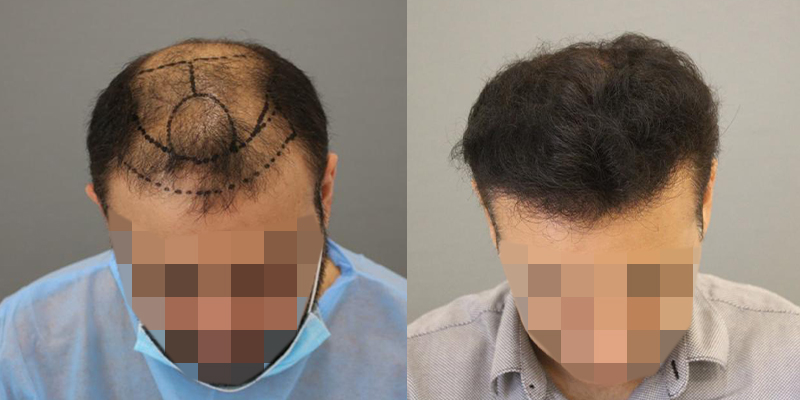
The final stitch is placed, the robotic arm retracts, or the surgeon sets down their specialized implanter pen—the procedure is over. However, for most patients, the true journey of hair restoration begins the moment they leave the clinic. As we move through 2026, the success of a Hair Transplant in Riyadh is no longer defined solely by the hours spent in the surgical suite, but by the discipline and care applied during the recovery phase. Riyadh’s leading medical centers have pioneered comprehensive aftercare protocols that turn the healing process into a structured, manageable, and ultimately rewarding experience.
Understanding what to expect day-by-day can transform anxiety into confidence as you watch your new hairline transition from a surgical site to a natural, permanent feature of your appearance.
Phase 1: The Critical First 72 Hours
The first three days are the most vital for graft survival. During this window, the newly implanted follicles are essentially “floating” in their new home, waiting to establish a blood supply.
-
The Sleeping Protocol: To minimize swelling (which typically peaks on Day 3), surgeons in Riyadh recommend sleeping with your head elevated at a $45^\circ$ angle. Most patients find that a travel neck pillow or a stack of soft pillows helps prevent accidental rolling onto the graft site.
-
The “Hands-Off” Rule: It is imperative that you do not touch, scratch, or pick at the recipient area. In 2026, many Riyadh clinics provide a specialized saline spray to be used every hour, which keeps the grafts hydrated and relieves the common “tight” sensation without physical contact.
-
Medication Schedule: You will typically be prescribed a short course of antibiotics to prevent infection and anti-inflammatories to manage the localized swelling that may migrate down toward the forehead or eyes.
Phase 2: Days 4 to 10 – The Healing Milestone
By the end of the first week, the grafts are beginning to anchor. This is the period where the “surgical look” begins to fade.
The First Medical Wash
Most patients return to their Riyadh clinic on Day 3 or 4 for their first professional hair wash. A technician will demonstrate how to use a specialized foam shampoo—patting it on gently rather than rubbing—and rinsing with lukewarm, low-pressure water.
Scab Formation and Shedding
Small scabs will form around each graft. While they may look prominent, they are a sign of healthy healing. By Day 10, with regular gentle washing, these scabs will begin to soften and fall off naturally. Never pick them; if they are still present by Day 14, your clinic may suggest a longer soak with baby oil to encourage them to slide off.
Phase 3: Weeks 2 to 6 – The “Shock Loss” Stage
This is the most psychologically challenging phase of the recovery journey. After the initial excitement of seeing the new hairline, the transplanted hair shafts will begin to fall out.
Important Note: Do not panic. This is a biological process called telogen effluvium. The hair shaft falls out, but the “root” or follicle remains securely embedded and healthy beneath the skin. The follicle is simply entering a resting phase before it begins its permanent growth cycle.
During this time, the pinkness of the scalp will fade, and you can usually return to your normal grooming routine, including using standard (but gentle) shampoos.
Phase 4: Months 3 to 6 – The “Proof of Life” Phase
Around the 90-day mark, the first signs of permanent growth appear. These initial hairs often look fine, thin, and perhaps slightly wiry or curly. This is a normal part of the maturation process.
In Riyadh, 2026 standards often include a follow-up PRP (Platelet-Rich Plasma) session during this window. This treatment acts as a “biological fertilizer,” providing the emerging hairs with the growth factors they need to thicken and darken more quickly.
Activity Restrictions: A 2026 Cheat Sheet
To ensure the best results, Riyadh specialists recommend the following activity timeline:
| Activity | Recommended Start Date | Why? |
| Light Walking | Day 3 | Promotes circulation |
| Heavy Lifting / Gym | Week 4 | Prevents blood pressure spikes |
| Swimming (Pool/Sea) | Week 4 | Avoids chlorine and salt irritation |
| Direct Sun Exposure | Week 4+ | Prevents UV damage to sensitive skin |
| Wearing a Tight Hat | Day 14 | Protects against friction |
When to Contact Your Surgeon
While recovery from a Hair Transplant in Riyadh is generally smooth, you should call your clinic if you experience:
-
Excessive Bleeding: If a graft site bleeds and doesn’t stop with 15 minutes of light pressure.
-
Signs of Infection: Increasing pain, fever, or yellow discharge after Day 4.
-
Severe Swelling: If swelling persists past the first week or causes significant discomfort.
Long-Term Maturation: The 12-Month Goal
The recovery process isn’t truly finished until the 12 to 15-month mark. Over the course of the year, the hair diameter will increase, the texture will soften to match your native hair, and the density will reach its peak. By the one-year anniversary, the results are final, natural, and undetectable.
Conclusion
The road to a full head of hair is a marathon, not a sprint. While the surgery itself is the catalyst, the meticulous care you provide during the recovery months is what ensures the longevity and quality of your results. Riyadh’s world-class medical infrastructure provides the tools, the knowledge, and the support needed to navigate every stage—from the first night of elevated sleep to the first time you style your new, permanent hair. By following a structured aftercare plan, you transform a medical procedure into a lifelong asset. If you are ready to start this journey and want the best possible support through your healing process, the most critical step is choosing an expert team for your Hair Transplant in Riyadh.