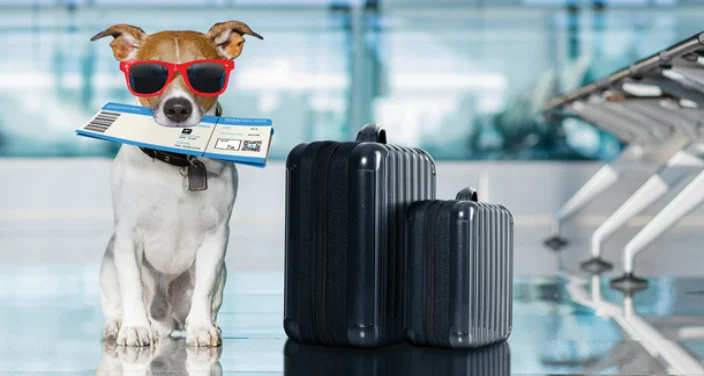
It’s exciting to take your pet from the UK to the sunny beaches of Spain. You probably imagine long walks on the sand and your furry fellow enjoying the breeze. However, the reality of international pet travel often involves unexpected hurdles that can turn a dream trip into a stressful experience.
Constantly changing rules have made pet transport UK to Spain more complex than it used to be. Wondering what actually makes this journey so stressful? Let’s figure this out without any ado.
Challenged Associated with Pet Transport from the UK to Spain
Pet Passport Requirements
The old UK pet passports are no longer valid for travel into Spain. Instead, you now need an Animal Health Certificate (AHC). Getting this document can be confusing because it is not a permanent permit. You need a new one for every single trip you take from the UK to the EU.
It is several pages long and must be completed by an official vet before you leave. If there is even a tiny mistake on these forms, you may not be allowed to enter the country with your pet. It can cause a lot of stress and worry for both you and your pet.
Microchipping and Identification
Before even planning about travelling, your pet must be microchipped. It is a standard rule, but the hidden difficulty lies in the details. The chip must be implanted before or at the same time as the rabies vaccination. If the sequence is wrong, the documentation becomes invalid.
You also need to make sure that your contact details are updated on an international database. Sometimes, scanners at the Spanish border might struggle with older chips. Therefore, it is always a good idea to double-check that the chip is readable and meets all standards before you start travelling.
Vaccination Rules
Meeting all vaccination rules is one of the trickiest parts of the process. For Spain, your pet must have a valid rabies vaccination. However, you cannot travel until twenty-one days have passed since the primary vaccination. This waiting period often adds to the stress, especially if you are planning a last-minute trip.
It is not limited to rabies vaccination only. You should also check for local Spanish risks for your pet, such as Leishmaniasis, which is spread by sandflies. Keeping your pet safe requires a mix of official legal vaccines and extra care to handle the different climate in Spain.
Travel Stress for Pets
You may focus on the paperwork while completely ignoring the travel stress. A journey from the UK to Spain is long, whether you drive, fly, or take a boat. Pets can experience high levels of anxiety when trapped in a carrier or a noisy car for hours. They might get motion sickness or become dehydrated.
Unlike humans, they do not understand why their routine has changed. This stress can lead to temporary health issues or changes in behaviour. The situation will worsen if you don’t know how to calm them throughout the journey.
Transport Restrictions
You might think booking a ticket is easy. However, transport rules for pets are very strict. Many budget airlines do not allow pets in the cabin at all. Meanwhile, some ferries only have a limited number of pet-friendly cabins. If those cabins are full, your pet might have to stay in a loud place, which can be terrifying for them.
Health Checks and Vet Visits
Your pet needs a health check very close to the departure date to ensure they are fit to travel. It creates a lot of pressure because your pet can show small signs of illness that day. As a result, your whole trip can be delayed. These last-minute appointments are often more expensive than regular check-ups. You also need to find a vet in Spain for the return journey to handle worming treatments.
Pet-Friendly Accommodation
Though Spain is becoming more pet-friendly, finding the right place to stay is still a challenge. Many hotels claim to allow pets but then reveal hidden rules, such as weight limits or extra daily fees. Some rentals might not have a secure garden, which is a problem if you have a dog that likes to walk. You may also find that your pet is not allowed to be left alone in the room. It means you have to plan your entire daily schedule around where your pet is allowed to go with you.
How to Resolve These Issues?
The best way to handle these difficulties is to opt for professional pet animal transportation services. They guide you through the whole process and help you plan everything in advance. They have appropriate vehicles and boxes to keep your pet safe throughout the journey.
Moving your pet to Spain requires a lot of patience and careful preparation. You can handle all the aforementioned challenges by choosing a reliable pet transport company that can meet all your needs.