
Parental absence, even for short periods, can feel intense for babies. Crying at drop-off, clinging to a caregiver, or becoming unsettled when a parent leaves the room are common experiences in early life. These reactions often raise questions and concerns for parents who want reassurance that their child’s behavior is typical. Understanding Separation Anxiety in Babies helps caregivers respond with confidence, empathy, and practical strategies that support healthy emotional growth.
Understanding Separation Anxiety in Early Development
Separation Anxiety in Babies is a normal stage of emotional development. It reflects a baby’s growing awareness of the world and their strong attachment to primary caregivers. When infants begin to understand that parents can leave—and that they are separate individuals they may protest that absence.
This response is not a sign of weakness or poor parenting. Instead, Separation Anxiety in Babies shows that bonding and attachment are forming as expected. Babies rely on familiar faces, voices, and routines for security, so temporary separation can feel overwhelming until they learn that caregivers always return.


When Separation Anxiety Usually Begins
Most infants start showing Separation Anxiety in Babies between 6 and 9 months of age. This timing aligns with major cognitive milestones, including object permanence—the understanding that people exist even when they are out of sight.
During this stage, babies may cry when a parent leaves the room or becomes less visible. In the context of Health and wellness, this reaction is considered a healthy sign of emotional awareness, not a developmental problem. For some children, these reactions peak around 12 to 18 months and gradually ease as independence grows.
Common Signs Parents Notice at Home
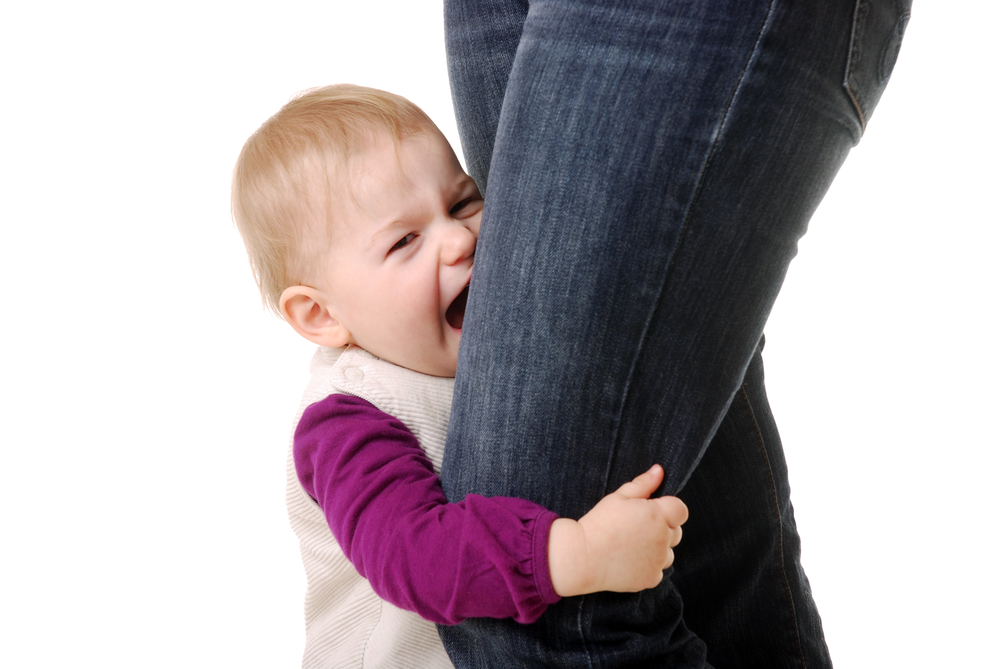
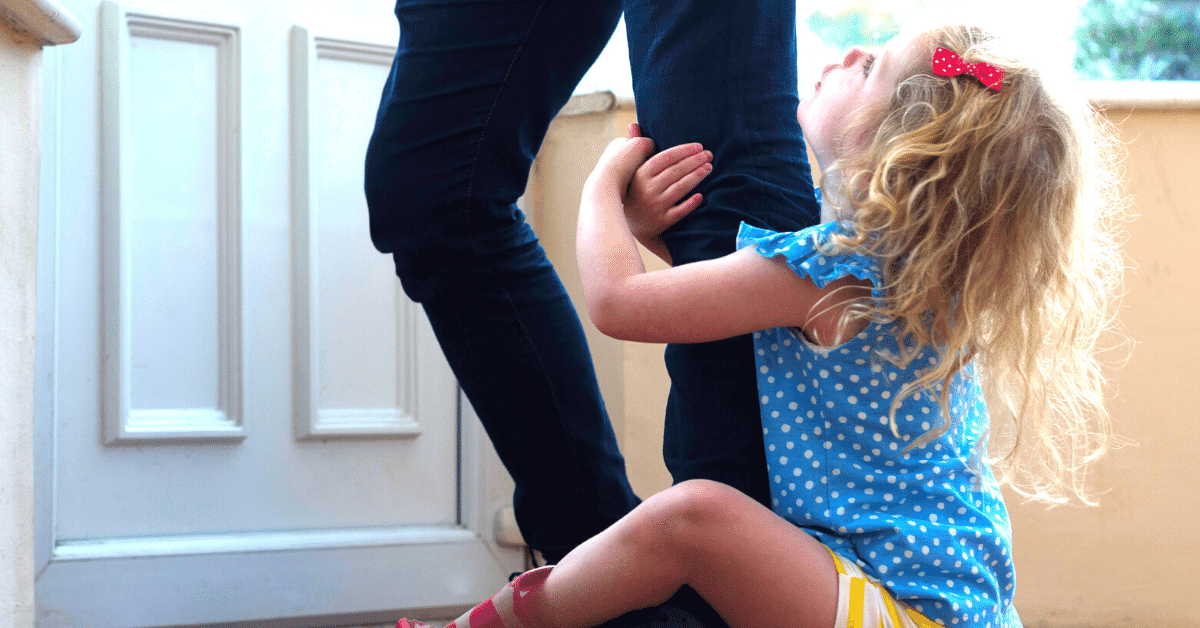
Recognizing typical behaviors can help parents feel more prepared. Separation Anxiety in Babies often shows up in predictable ways, especially during transitions.
Common signs include:
-
Crying or fussing when a parent leaves
-
Clinging tightly during hand-offs
-
Resistance to new caregivers or environments
-
Increased wakefulness or night crying
These behaviors may feel intense, but they are temporary. Over time, Separation Anxiety in Babies softens as trust and coping skills develop.
Why Parental Absence Feels So Big to Infants
From an adult perspective, stepping away for a few minutes may seem insignificant. For infants, however, time feels different. Separation Anxiety in Babies happens because they do not yet have a full sense of time or reassurance that a caregiver will return soon.
Babies also depend on parents to meet all their needs. When a caregiver disappears, even briefly, it can trigger fear or confusion. Understanding this emotional reality helps parents respond calmly instead of feeling guilty or frustrated.
How Caregiver Responses Shape Emotional Security
The way adults respond during moments of Separation Anxiety in Babies plays a major role in emotional development. Calm, consistent reactions teach babies that feelings are acknowledged and that separation is safe.
Helpful caregiver responses include:
-
Offering a warm, confident goodbye
-
Avoiding sneaking away, which can increase fear
-
Reassuring with familiar routines or objects
-
Staying calm, as babies sense adult emotions
These responses don’t eliminate Separation Anxiety in Babies overnight, but they build trust that reduces distress over time.


Practical Ways to Ease Separation Anxiety
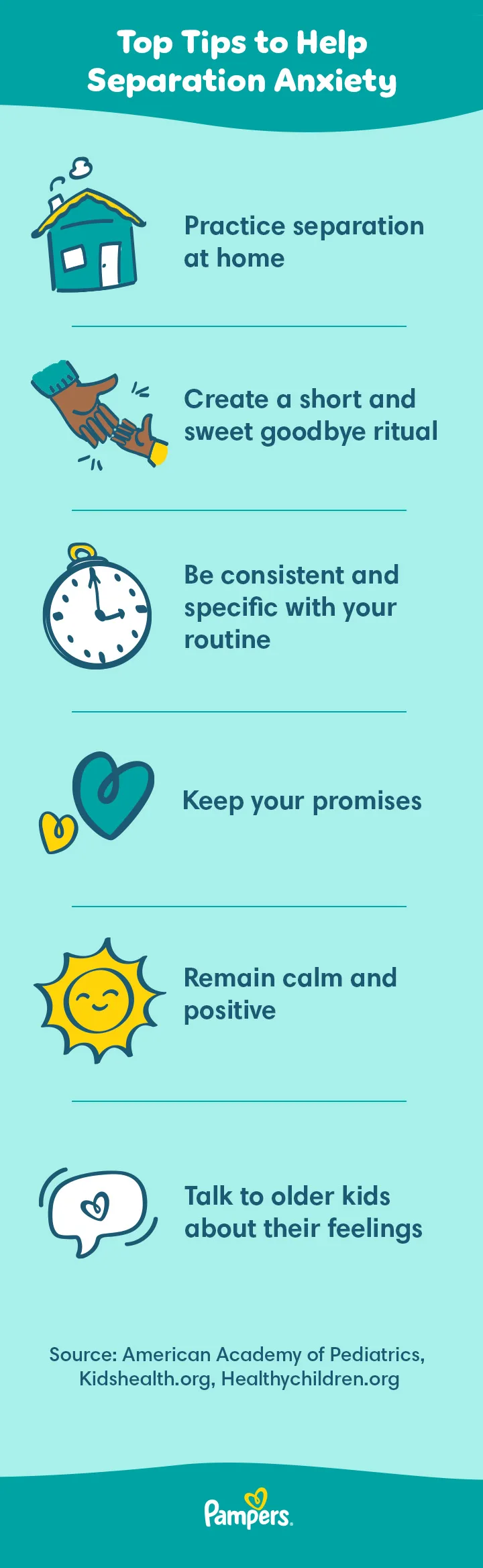
Parents can take simple steps to gently reduce Separation Anxiety in Babies without forcing independence too early. Small, predictable actions often work best.
Effective strategies include:
-
Practicing short separations at home
-
Using consistent goodbye rituals
-
Introducing new caregivers gradually
-
Providing a comfort item with a familiar scent
These approaches help babies learn that separation is temporary. With repetition, Separation Anxiety in Babies becomes easier to manage for both children and parents.
What’s Normal vs. When to Be Concerned
In most cases, Separation Anxiety in Babies is short-lived and improves with age. Crying that stops once a parent returns, or distress limited to separation moments, is considered typical.
Parents may want to seek professional guidance if:
-
Anxiety is extreme and persistent beyond toddlerhood
-
The baby struggles to calm even after reunions
-
Developmental milestones seem delayed
Still, for the majority of families, Separation Anxiety in Babies follows a natural path and resolves with time, reassurance, and consistency.
Supporting Independence Without Rushing It
Healthy independence grows gradually. Respecting a baby’s emotional timeline is key to reducing Separation Anxiety in Babies in a supportive way. Pushing too hard or ignoring distress can increase fear rather than build confidence.
Instead, focus on:
-
Encouraging exploration while staying nearby
-
Celebrating small moments of independence
-
Maintaining predictable routines
-
Responding warmly after every reunion
With patience, Separation Anxiety in Babies fades as children learn they are safe, supported, and capable of handling brief separations.
Final Thoughts
Parental absence can feel challenging, but it is also a powerful part of emotional growth. Separation Anxiety in Babies is not something to “fix,” but something to understand and guide with care. When caregivers respond with calm reassurance and consistency, babies develop trust, resilience, and confidence that lasts well beyond infancy.