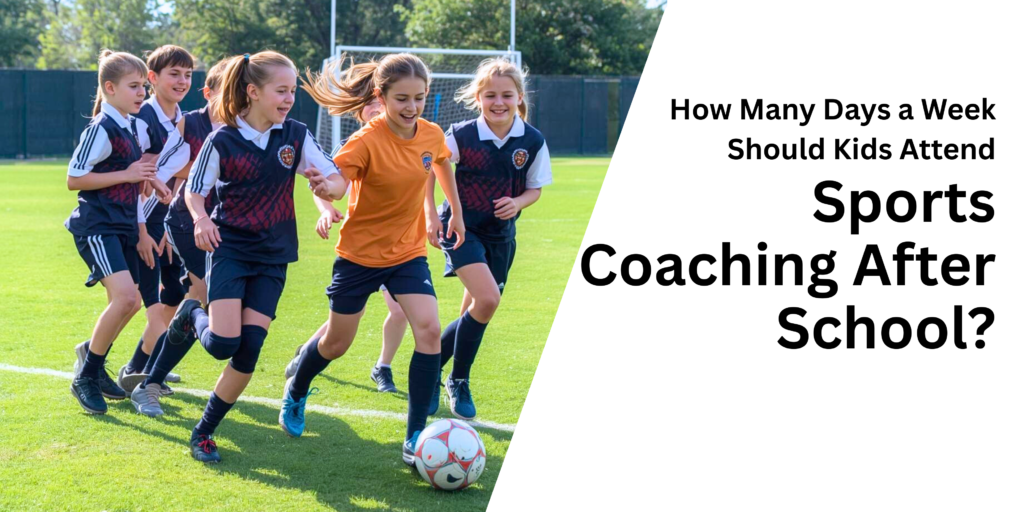
One of the most common questions parents ask is: how often should my child attend sports coaching after school? Some worry about overloading their child’s schedule, while others are concerned that once or twice a week may not be enough for real improvement.
The right answer depends on age, fitness level, school workload, and the child’s interest. What matters most is balance, enough training to build skills and discipline, but not so much that it causes stress or burnout.
Why Frequency Matters
Consistency is important in any learning process, including sports. However, more sessions do not always mean better results. A well-structured after school sports program focuses on quality training rather than simply increasing hours.
Too little practice may slow progress. Too much can lead to fatigue, reduced focus in school, or loss of interest. Finding the right weekly rhythm helps children enjoy both sports and academics.
Recommended Training Frequency by Age
While every child is different, general guidance can help parents make informed decisions.
Ages 6–8
At this stage, children are developing basic coordination and motor skills.
2 days per week of structured sports coaching after school is usually sufficient.
Focus should be on:
- Fun, skill-based activities
- Short sessions
- Building comfort and confidence
Ages 9–12
Children in this age group can handle slightly more structure and physical demand.
2 to 3 days per week is often ideal.
This allows:
- Steady skill development
- Improved stamina and coordination
- Balanced time for homework and rest
An organized after school training academy typically designs sessions that match this developmental stage.
Ages 13 and Above
Older children who are more serious about a sport may attend
3 to 4 sessions per week, depending on their goals and school schedule.
At this stage, training may become more focused, but rest and recovery remain essential.
Signs Your Child Is Training the Right Amount
Instead of only counting days, observe how your child responds to training.
Positive signs include:
- Enthusiasm about attending practice
- Steady improvement in skills
- Balanced academic performance
- Adequate sleep and energy
If your child shows signs of constant fatigue, irritability, or declining interest, it may be time to reduce the frequency.
The Importance of Rest Days
Rest is not laziness, it’s part of development. Muscles recover, energy resets, and the brain processes learning during rest periods.
A quality after school sports program ensures children have:
- At least 1–2 rest days per week
- Adequate sleep
- Time for family and relaxation
This balance prevents burnout and keeps sports enjoyable.
Balancing Sports with Academics
Parents often worry that frequent sports coaching after school may affect studies. In reality, structured activity often improves time management.
When children know they have practice in the evening, they:
- Complete homework earlier
- Reduce screen time
- Follow a predictable daily routine
This discipline supports both academic and personal growth.
Quality Over Quantity
Three well-designed sessions are more effective than five unstructured ones. A professional after school training academy ensures each session has:
- Proper warm-up and cool-down
- Skill development focus
- Safe training intensity
- Clear progression plans
It’s not about how many days children attend, but how purposeful those sessions are.
Final Thoughts
So, how many days a week should kids attend sports coaching after school? For most children, 2 to 3 days per week strikes the right balance between development and rest. Older or more dedicated athletes may train slightly more, but recovery and academics must always be considered.
The goal is not to overload a child’s schedule but to create a healthy routine that builds skills, discipline, and long-term enjoyment of sports.