India has been steadily moving toward clean and sustainable energy solutions. One of the most important steps in this direction is the PM Kusum Yojana, a government initiative designed to promote renewable energy in rural areas. The scheme focuses on providing solar-powered solutions for farmers so that they can reduce their dependence on traditional electricity sources and diesel-powered irrigation systems.
Rural India has a large number of farmers who rely heavily on electricity or diesel pumps to irrigate their fields. This often leads to high costs and environmental pollution. The PM Kusum Yojana aims to solve this problem by encouraging the use of solar energy. By installing solar pumps and solar power plants, the scheme helps farmers produce clean energy while also reducing their agricultural expenses.
The program not only supports farmers but also contributes to the country’s renewable energy goals. It promotes sustainable agriculture and helps villages become more energy independent. As a result, rural communities can benefit from reliable electricity while also protecting the environment.
What Is PM Kusum Yojana?
PM Kusum Yojana stands for Pradhan Mantri Kisan Urja Suraksha evam Utthaan Mahabhiyan. The scheme was introduced by the Government of India to promote the use of solar energy in the agricultural sector. Its main objective is to provide farmers with solar-powered irrigation systems and allow them to generate electricity from solar plants.
Through this scheme, farmers can install solar pumps in their fields. These pumps operate using sunlight instead of diesel or conventional electricity. This helps reduce operational costs and ensures that irrigation remains uninterrupted even in areas with limited electricity supply.
The government provides financial assistance to farmers so that they can install solar systems at a lower cost. Subsidies from both central and state governments make it easier for farmers to adopt renewable energy technology.
Benefits of Solar Energy for Farmers
Solar energy has several advantages for rural communities. Farmers who use solar-powered irrigation systems can reduce their dependence on expensive fuels and unreliable electricity supply.
One major benefit is cost savings. Diesel pumps require constant fuel purchases, which can be expensive. Solar pumps, once installed, use sunlight and therefore have very low operating costs. This makes farming more economical for small and marginal farmers.
Another important advantage is reliability. Many villages experience frequent power cuts, especially during peak agricultural seasons. Solar pumps allow farmers to irrigate their fields without worrying about electricity shortages.
Solar energy also supports environmental protection. By reducing the use of diesel and coal-based electricity, the scheme helps lower carbon emissions and promotes cleaner air in rural areas.
The pradhan mantri kusum yojana encourages farmers to adopt these sustainable energy solutions and become part of the country’s transition toward renewable power.
Key Components of the PM Kusum Yojana
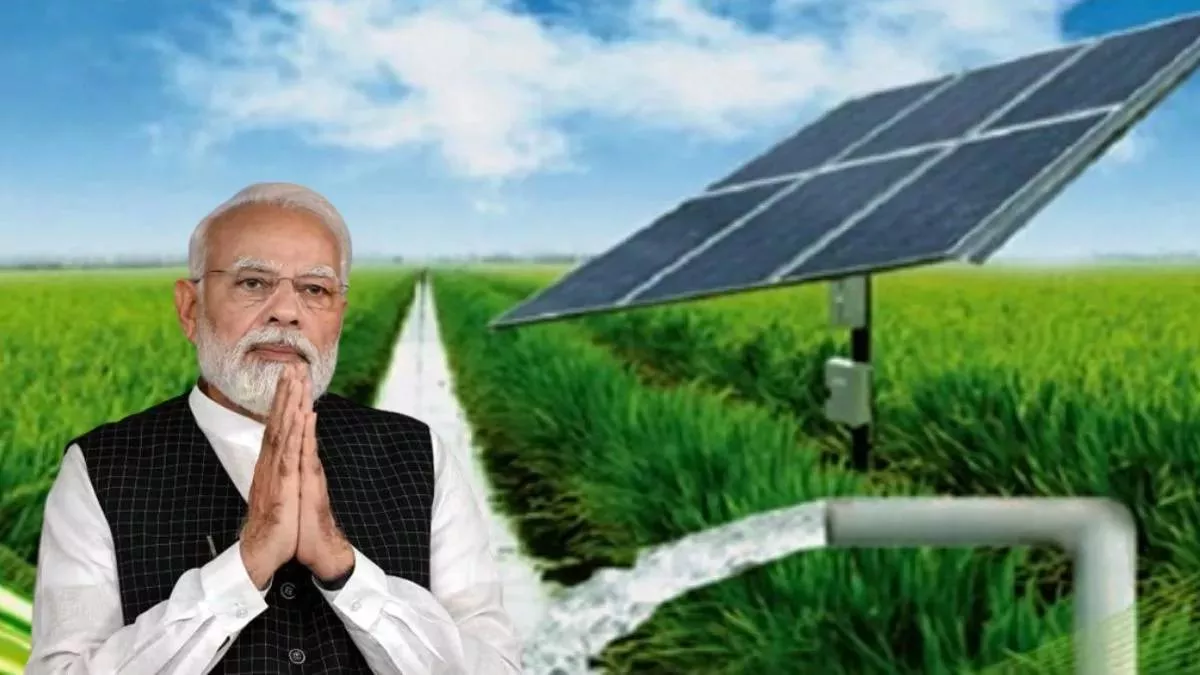
The scheme has several components that work together to promote renewable energy in agriculture. These components ensure that farmers have different options depending on their needs and land availability.
Installation of Solar Pumps
One of the main parts of the scheme is the installation of solar-powered irrigation pumps. These pumps replace traditional diesel pumps and help farmers irrigate their crops using clean energy.
Solar pumps are especially useful in remote areas where electricity supply is limited. Farmers can operate these pumps during the daytime using sunlight, which ensures a steady water supply for crops.
Solar Power Plants on Agricultural Land
Another component of the scheme allows farmers to set up small solar power plants on their land. These plants generate electricity that can be supplied to the local power grid.
Farmers can earn additional income by selling the electricity produced from their solar systems. This creates a new source of revenue while also supporting renewable energy generation.
Solarisation of Existing Grid-Connected Pumps
The scheme also supports the solarisation of existing electric pumps. Farmers who already have grid-connected pumps can install solar panels to power them.
This reduces the amount of electricity drawn from the grid and encourages farmers to produce their own clean energy. Any surplus electricity can also be sold to power distribution companies.
How the Scheme Supports Rural Development
PM Kusum Yojana plays a major role in improving rural infrastructure and economic stability. By introducing renewable energy technology in villages, the scheme helps farmers become more self-reliant.
One important benefit is increased agricultural productivity. Reliable irrigation ensures that crops receive the water they need at the right time. This can improve crop yields and enhance food security.
The scheme also creates employment opportunities. Installation and maintenance of solar systems require skilled workers, which can generate jobs in rural areas. Local technicians, engineers, and service providers can benefit from this growing sector.
In addition, solar energy reduces pressure on the national electricity grid. When farmers produce their own electricity, it reduces the overall demand for power from conventional sources.
Environmental Impact of the Scheme

Renewable energy initiatives like PM Kusum Yojana have a positive impact on the environment. By replacing diesel pumps with solar-powered systems, the scheme helps reduce greenhouse gas emissions.
Diesel engines release harmful pollutants into the air. When farmers switch to solar pumps, these emissions decrease significantly. This contributes to cleaner air and a healthier environment for rural communities.
Solar energy also conserves natural resources. Unlike fossil fuels, sunlight is abundant and renewable. Using solar power ensures that future generations can benefit from sustainable energy sources.
Furthermore, the scheme supports India’s long-term climate goals by increasing the share of renewable energy in the national power mix.
Challenges and Future Opportunities
Although the scheme has many advantages, there are also challenges that need to be addressed. Some farmers may find the initial installation process complicated, especially in remote areas where technical support is limited.
Awareness is another challenge. Many farmers are still not fully informed about the benefits and application process of the scheme. Increasing awareness through training programs and government outreach can help improve participation.
However, the future opportunities are significant. As solar technology becomes more affordable and efficient, more farmers will be able to adopt renewable energy solutions. Expanding the scheme and improving its implementation can further strengthen rural energy infrastructure.
In the long run, PM Kusum Yojana can transform the agricultural sector by making farming more sustainable and energy efficient.
Role of Government and Local Authorities
Government agencies and local authorities play an important role in implementing the scheme. They help farmers understand the application process, provide financial support, and ensure proper installation of solar systems.
Training programs and awareness campaigns are also organized to educate farmers about renewable energy technology. These initiatives help ensure that the benefits of the scheme reach as many rural communities as possible.
Importance of Farmer Participation
The success of the scheme largely depends on active participation from farmers. When farmers adopt solar energy solutions, they contribute not only to their own economic stability but also to national sustainability goals.
Community cooperation and knowledge sharing can encourage more farmers to join the initiative and adopt renewable energy technologies.
Conclusion
PM Kusum Yojana is an important step toward promoting renewable energy in rural India. By providing solar-powered irrigation systems and encouraging farmers to generate electricity, the scheme helps reduce agricultural costs and improve energy access in villages.
The program supports both environmental sustainability and rural economic development. Farmers benefit from reliable irrigation, lower expenses, and additional income opportunities through solar power generation.
With continued government support and increased awareness among farmers, the scheme has the potential to transform rural energy systems and make villages more self-reliant and environmentally friendly.
FAQs
What is PM Kusum Yojana?
PM Kusum Yojana is a government scheme that promotes solar energy in the agricultural sector. It helps farmers install solar pumps and small solar power plants to reduce dependence on diesel and conventional electricity.
Who can apply for PM Kusum Yojana?
Farmers who own agricultural land and require irrigation systems can apply for the scheme. Eligibility and application procedures may vary depending on state government guidelines.
What are the main benefits of the scheme?
The scheme helps farmers reduce irrigation costs, access reliable energy, and generate additional income by producing solar power.
Does the government provide financial support under this scheme?
Yes, the government provides subsidies for installing solar pumps and solar power plants. The subsidy is usually shared between the central government, state government, and the farmer.
How does the scheme support renewable energy?
The scheme encourages the use of solar power in agriculture, which reduces dependence on fossil fuels and promotes clean and sustainable energy in rural areas.