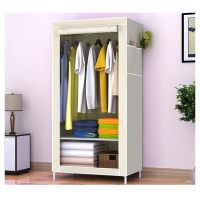
Living with limited space doesn’t mean you have to compromise on style. In fact, having fewer clothing options can simplify your life, sharpen your personal style, and even save money over time. Many people today are choosing quality over quantity and discovering that thoughtful organization and intentional choices can transform even the most compact closet into a functional and stylish setup.
This guide explores practical, realistic ways to maximize your clothing storage, choose the right pieces, and maintain a system that works for your daily life.
Understanding the Challenges of Limited Clothing Space
When closet space is tight, common problems tend to appear quickly. Clothes pile up, items get forgotten, and decision fatigue sets in every morning. You may feel like you have “nothing to wear,” even though your closet is full. These challenges aren’t about fashion—they’re about systems.
A small wardrobe often highlights habits we don’t notice in larger spaces, such as impulse shopping, holding onto rarely worn items, or lacking a clear sense of personal style. The good news is that these issues are fixable with mindful adjustments rather than expensive solutions.
Declutter First: The Foundation of an Organized Closet
Before adding organizers or buying storage tools, start with decluttering. This step is essential and often the most impactful.
Ask yourself a few honest questions:
-
Have I worn this in the past year?
-
Does it fit my current lifestyle?
-
Does it make me feel confident?
If the answer is “no,” it may be time to let it go. Keeping clothes out of guilt or “just in case” scenarios only creates visual and mental clutter. A small wardrobe works best when every item earns its place.
Decluttering doesn’t have to happen all at once. You can do it category by category—tops one day, bottoms another—to avoid feeling overwhelmed.
Choose Versatile Pieces That Work Harder
When space is limited, versatility becomes your greatest asset. Clothing that can be styled in multiple ways gives you more outfit combinations without taking up extra room.
Look for:
-
Neutral colors that mix easily
-
Classic cuts that don’t go out of style
-
Pieces that transition between casual and formal settings
For example, a simple button-down shirt can be worn to work, styled casually on weekends, or layered in cooler weather. The goal is to create a collection where everything works together, turning a small wardrobe into a flexible styling system rather than a limitation.
Seasonal Rotation: Store Smart, Not More
You don’t need all your clothes accessible year-round. Rotating seasonal items is one of the smartest ways to maintain a clean and breathable closet.
During warmer months, store heavy coats, sweaters, and boots elsewhere. When winter arrives, switch them back and pack away lighter fabrics. This rotation creates instant breathing room and makes your daily choices faster and easier.
Even in a small wardrobe, seasonal organization can make the space feel twice as large without removing a single item permanently.
Smart Storage Techniques That Actually Work
Storage isn’t about cramming more items into the same space—it’s about visibility and accessibility.
Some effective techniques include:
-
Hanging clothes by category rather than color
-
Using slim, uniform hangers to save space
-
Folding vertical stacks instead of horizontal piles
-
Utilizing the back of doors or under-bed storage when available
The easier it is to see what you own, the more likely you are to wear everything. A well-organized small wardrobe reduces waste and makes dressing feel effortless.
Build a Personal Style Instead of Following Trends
One of the biggest mistakes people make with limited space is chasing trends. Trend-driven purchases often have a short lifespan and quickly overcrowd closets.
Instead, focus on defining your personal style. Pay attention to:
-
What colors you naturally gravitate toward
-
Which silhouettes make you feel comfortable
-
What outfits you reach for most often
When your clothes reflect who you are, you’ll need fewer of them. This mindset shift turns a small wardrobe into a curated collection rather than a restrictive one.
Quality Over Quantity Always Wins
Investing in better-quality pieces may seem counterintuitive at first, but it pays off in the long run. Well-made clothes last longer, fit better, and often look more polished.
Fewer high-quality items mean:
-
Less frequent replacement
-
Reduced clutter
-
A more refined overall look
This approach is especially important when working with limited space. A small wardrobe benefits greatly from durable, timeless pieces that don’t need constant upgrading.
Maintain the System With Simple Habits
Once your wardrobe is organized, maintenance is key. Without simple habits, clutter can creep back quickly.
Try these practices:
-
Do a quick reset once a month
-
Remove one item when adding a new one
-
Reassess clothes at the start of each season
Consistency matters more than perfection. Even five minutes of regular upkeep can keep your closet functional and stress-free.
Final Thoughts: Small Space, Big Potential
Having limited clothing space isn’t a disadvantage—it’s an opportunity. It encourages mindfulness, creativity, and intentional living. When each item serves a purpose and reflects your lifestyle, getting dressed becomes easier and more enjoyable.
With the right mindset and systems in place, a small wardrobe can support your daily routine, boost confidence, and simplify your life far more than an overflowing closet ever could.