Driving a booked car in Morocco is one of the best ways to explore the country freely and comfortably. With modern roads, diverse landscapes, and improving infrastructure, self-drive travel has become increasingly popular among visitors. However, like driving in any unfamiliar country, staying safe requires awareness, preparation, and respect for local driving conditions.
This detailed guide explains how to stay safe while driving a booked car in Morocco, covering practical tips before departure, on the road, and during stops—so you can enjoy your journey with confidence and peace of mind.
Why Preparation Is the Key to Safe Driving
Most driving issues tourists face in Morocco are not due to danger, but to lack of preparation. Understanding road conditions, local habits, and basic rules dramatically reduces risk.
Safe driving in Morocco is about:
-
Awareness rather than fear
-
Patience rather than speed
-
Planning rather than improvisation
With the right mindset, driving becomes smooth and enjoyable.
Before You Start Driving
1. Inspect the Car Carefully
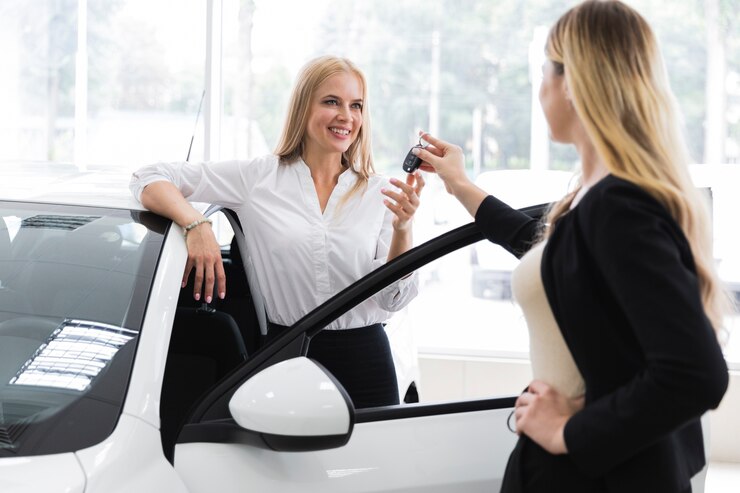
Before leaving the pickup location:
-
Check tires, brakes, lights, and mirrors
-
Test indicators and windshield wipers
-
Ensure the spare tire and jack are present
-
Take photos of any existing scratches or dents
This protects you and avoids misunderstandings later.
2. Know Your Documents
Always carry:
-
Your driver’s license
-
Passport or ID copy
-
Rental agreement
-
Insurance documents
Having these ready makes routine checks quick and stress-free.
3. Choose the Right Vehicle
-
Compact cars are ideal for cities and highways
-
SUVs are better for mountains, rural roads, and uneven terrain
-
Choose air conditioning for comfort, especially in warmer regions
A suitable vehicle improves both safety and comfort.
Understanding Moroccan Roads
Highways and Main Roads
-
Well maintained and clearly marked
-
Toll roads are smooth and efficient
-
Speed limits are enforced
These are the safest and easiest roads for long-distance travel.
Rural and Mountain Roads
-
Narrower and sometimes winding
-
Livestock and pedestrians may appear unexpectedly
-
Visibility can change quickly due to terrain
Drive slowly and stay alert.
City Driving
-
Busier traffic, especially during peak hours
-
Scooters, bicycles, and pedestrians share the road
-
Parking requires extra attention
Avoid driving in old medina areas where streets are very narrow.
Driving Safely on the Road
1. Drive Defensively
-
Expect the unexpected
-
Keep a safe distance from other vehicles
-
Avoid aggressive maneuvers
Defensive driving is the most effective safety strategy.
2. Respect Speed Limits
Speed limits are strictly enforced, especially near:
-
Town entrances
-
Villages
-
Police checkpoints
Sudden speed changes are common—slow down when signs appear.
3. Watch for Pedestrians and Animals
In rural areas, you may encounter:
-
Goats, sheep, donkeys, or dogs
-
Children near villages
-
Farmers crossing roads
Slow down when approaching populated areas.
4. Use the Horn Appropriately
Horns are commonly used as signals, not aggression:
-
Warning when overtaking
-
Alerting others on narrow roads
A short, polite horn tap is normal.
Daytime Driving Is Safer
Whenever possible:
-
Drive during daylight hours
-
Avoid mountain or rural roads at night
-
Plan routes to arrive before sunset
At night, visibility decreases and animals are harder to see.
Fuel and Break Safety
Fuel Tips
-
Fill up before long or remote drives
-
Don’t let fuel drop too low
-
Fuel stations are frequent on main roads
Most stations have attendants who assist with fueling.
Take Regular Breaks
-
Stop every 2–3 hours
-
Stretch, hydrate, and rest
-
Fatigue is one of the biggest driving risks
A relaxed driver is a safe driver.
Navigation and Planning
-
Use GPS or offline maps
-
Download routes in advance for remote areas
-
Avoid last-minute route changes
Clear navigation reduces stress and distractions.
Parking Safety Tips
-
Park in well-lit, busy areas
-
Use designated parking lots when possible
-
In cities, attendants may guide parking—this is normal
-
Lock the car and keep valuables out of sight
Simple habits go a long way in preventing issues.
How to Handle Police Checkpoints
Police checkpoints are common and routine:
-
Slow down and follow instructions calmly
-
Show documents if requested
-
Be polite and patient
These checks are for safety and usually last only a few minutes.
What to Do in Case of a Problem
If you encounter a breakdown or issue:
-
Pull over safely
-
Turn on hazard lights
-
Contact the rental company immediately
-
Stay with the vehicle if possible
Rental agencies usually provide roadside assistance.
Driving Mindset That Keeps You Safe
The safest drivers in Morocco are those who:
-
Stay calm and unhurried
-
Respect local driving rhythms
-
Remain attentive at all times
-
Adapt rather than react
Morocco rewards relaxed, observant driving.
Common Safety Myths About Driving in Morocco
-
“Driving is dangerous everywhere” → Most roads are safe and well maintained
-
“Tourists are targeted” → Driving issues are rarely related to tourism
-
“You need special skills” → Normal driving experience is enough
Confidence grows quickly once you’re on the road.
Final Thoughts
Staying safe while driving a booked car in Morocco is mostly about preparation, awareness, and attitude. With a reliable vehicle, daylight driving, defensive habits, and respect for local conditions, self-drive travel becomes one of the safest and most rewarding ways to explore the country.
Morocco offers open roads, stunning scenery, and incredible freedom. By driving smart and staying attentive, you can enjoy every kilometer with confidence—turning your journey into an unforgettable and safe adventure.
Company information
Company name : Rent fastly
Address :
- Street Number and Name : N°39, Bloc A, N°8, Al Qods
- City : Agadir
- Postal Code: 80000
- Country : Morocco
Phone :+212663077524
Email Address : booking@rentfastly.com
Site Web : booked vehicles in morocco agency