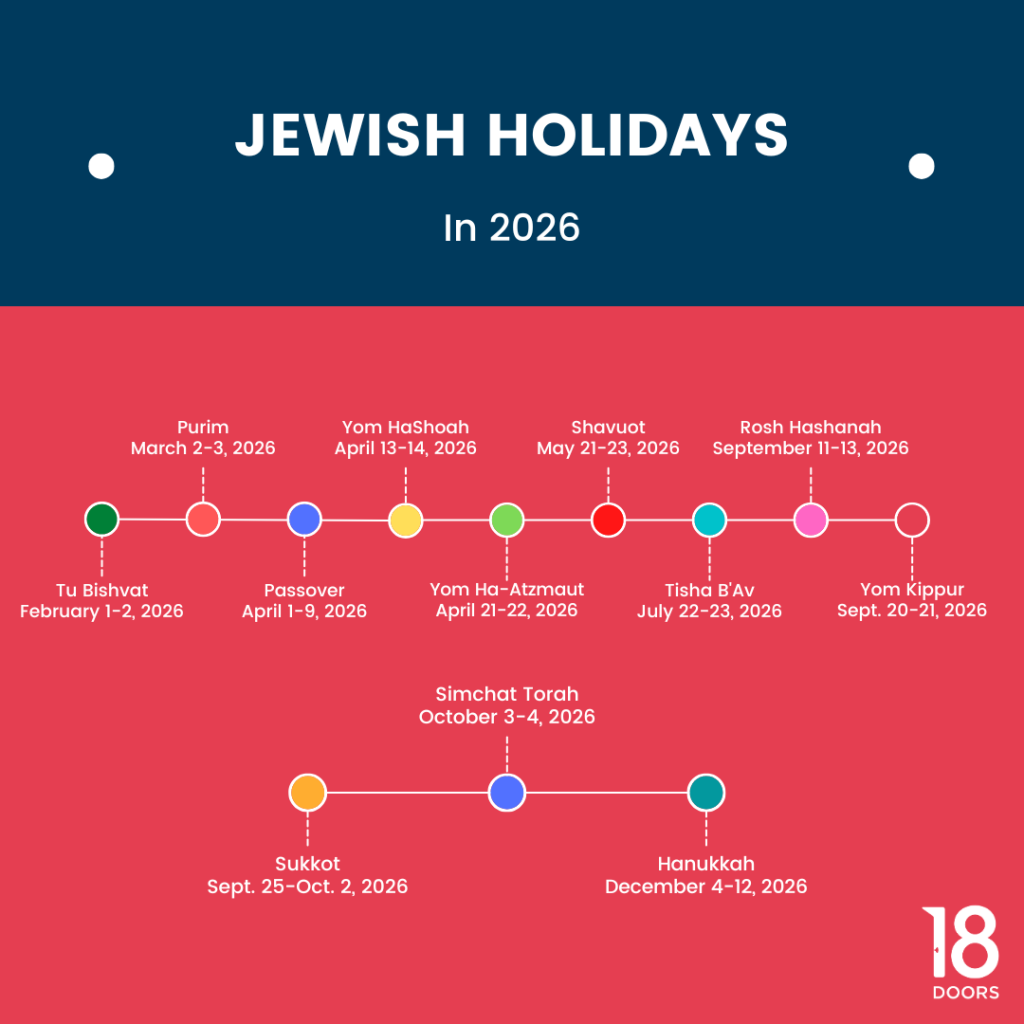
Jewish holy days are deeply rooted in history, faith, and tradition. They form the spiritual rhythm of Jewish life and reflect centuries of religious practice, cultural identity, and community connection. Throughout the Jewish calendar, these sacred days commemorate historical events, celebrate spiritual renewal, and remind believers of their covenant with God.
Unlike many modern calendars, the Jewish calendar is lunar-based, meaning holidays shift slightly each year in the Gregorian calendar. Each holy day carries its own rituals, prayers, and customs, allowing families and communities to reconnect with their heritage and faith.
From solemn days of reflection to joyous festivals filled with food, music, and prayer, Jewish holy days represent a balance of remembrance, gratitude, repentance, and celebration. Understanding these holidays provides insight into Jewish identity and the values that guide Jewish life.
The Jewish Calendar and Its Structure
The Jewish calendar, also known as the Hebrew calendar, follows the cycles of the moon while aligning with the solar year through periodic adjustments. Months begin with the appearance of a new moon, and the year contains either 12 or 13 months depending on the cycle.
This calendar structure ensures that agricultural festivals remain connected to their appropriate seasons. For example, Passover always occurs in spring, while Sukkot takes place in autumn. The calendar is not only a system of marking time but also a spiritual framework that connects Jewish people with nature, history, and divine commandments.
Every week culminates in the Sabbath, a sacred day of rest that begins at sunset on Friday and ends at nightfall on Saturday. The Sabbath itself is considered one of the most important holy observances in Judaism.
The Spiritual Purpose of Jewish Holidays
Jewish holidays serve multiple purposes within the faith. They commemorate historical events that shaped Jewish identity, celebrate agricultural seasons tied to ancient Israel, and reinforce spiritual values such as repentance, gratitude, freedom, and faith.
These holidays encourage individuals to pause from everyday routines and focus on deeper spiritual reflection. Families gather for meals, prayers, and storytelling, ensuring that traditions pass from one generation to the next.
Each holiday also strengthens community bonds. Synagogues host special services, communities organize celebrations, and families open their homes to guests. Through these shared experiences, Jewish holy days maintain a strong connection between past, present, and future.
Rosh Hashanah: The Jewish New Year
Rosh Hashanah marks the beginning of the Jewish New Year and initiates the Ten Days of Repentance, a period devoted to self-reflection and spiritual renewal. This holiday is traditionally celebrated in early autumn and symbolizes the creation of the world and God’s kingship.
The blowing of the shofar, a ram’s horn, is one of the central rituals of Rosh Hashanah. Its powerful sound serves as a spiritual wake-up call, encouraging individuals to examine their actions and seek improvement.
Traditional foods eaten during Rosh Hashanah carry symbolic meaning. Apples dipped in honey represent the hope for a sweet and prosperous year ahead. Round challah bread symbolizes continuity and the cycle of life.
Rosh Hashanah is both a solemn and hopeful holiday, reminding people that each new year offers an opportunity for renewal and personal growth.
Yom Kippur: The Day of Atonement
Yom Kippur is the holiest day in the Jewish calendar. Known as the Day of Atonement, it occurs ten days after Rosh Hashanah and focuses on repentance, forgiveness, and reconciliation.
Observant Jews fast for approximately 25 hours, abstaining from food, drink, and other physical comforts. The fast symbolizes humility and spiritual purification.
Synagogue services during Yom Kippur are lengthy and deeply emotional. Worshippers recite prayers of confession and seek forgiveness from both God and fellow human beings.
The closing prayer, known as Ne’ilah, represents the final opportunity for repentance before the symbolic gates of heaven close. Yom Kippur ends with the blowing of the shofar, marking a moment of relief, renewal, and hope.
Sukkot: The Festival of Booths
Sukkot is a joyful holiday that commemorates the Israelites’ journey through the desert after leaving Egypt. During this time, Jewish families build temporary outdoor structures called sukkahs.
These structures symbolize the fragile shelters used during the biblical journey and remind participants of the importance of faith and gratitude for divine protection.
Families eat meals inside the sukkah and sometimes even sleep there. Decorations such as fruits, lights, and artwork make each sukkah unique and festive.
The holiday also celebrates the agricultural harvest, making it both a historical remembrance and a thanksgiving for nature’s abundance.
Hanukkah: The Festival of Lights
Hanukkah celebrates the rededication of the Second Temple in Jerusalem and the miraculous story of a small amount of oil that lasted eight days.
During the eight nights of Hanukkah, families light the menorah, adding one candle each evening until all eight candles shine brightly.
Traditional foods such as latkes (potato pancakes) and sufganiyot (jelly-filled doughnuts) are fried in oil to commemorate the miracle of the oil.
Hanukkah emphasizes themes of resilience, faith, and the triumph of light over darkness. It is also a time for families to exchange gifts and enjoy festive gatherings.
Passover: The Celebration of Freedom
Passover commemorates the liberation of the Israelites from slavery in ancient Egypt. It is one of the most widely observed Jewish holidays and centers around the Passover Seder, a ceremonial meal that recounts the story of the Exodus.
During the Seder, participants read from the Haggadah, eat symbolic foods, and ask traditional questions that encourage discussion and reflection.
One of the most recognizable elements of Passover is the avoidance of leavened bread. Instead, matzah, an unleavened bread, is eaten to remember the haste with which the Israelites left Egypt.
Passover emphasizes themes of freedom, justice, and faith, reminding each generation to value liberty and compassion.
Shavuot: The Festival of Revelation
Shavuot celebrates the giving of the Torah at Mount Sinai. It occurs seven weeks after Passover and marks a moment of profound spiritual significance.
Traditionally, many Jews stay awake all night studying sacred texts and reflecting on the teachings of the Torah.
Dairy foods such as cheesecake and blintzes are commonly enjoyed during Shavuot, reflecting longstanding culinary traditions associated with the holiday.
Shavuot highlights the importance of learning, wisdom, and the enduring connection between the Jewish people and their sacred texts.
Purim: A Celebration of Courage and Survival
Purim commemorates the story of Queen Esther, who saved the Jewish people from persecution in ancient Persia. The holiday is known for its festive and joyful atmosphere.
During Purim, the Book of Esther is read aloud in synagogues. Whenever the villain Haman’s name is mentioned, listeners make noise with rattles to symbolically erase his memory.
People often wear costumes, exchange food gifts, and give charity to those in need. Special triangular pastries called hamantaschen are traditionally eaten.
Purim celebrates courage, unity, and the triumph of good over evil.
Tisha B’Av: A Day of Mourning
Tisha B’Av is one of the most solemn days in the Jewish calendar. It commemorates the destruction of both the First and Second Temples in Jerusalem as well as other tragedies in Jewish history.
The day is marked by fasting, prayer, and the reading of the Book of Lamentations. Many people sit on low stools or the floor to symbolize mourning.
Despite its sorrowful tone, Tisha B’Av also encourages reflection and hope for renewal and rebuilding.
The Role of Family and Community
Jewish holy days are deeply connected to family life and community gatherings. Homes become places of celebration, learning, and hospitality.
Parents pass traditions to children through storytelling, cooking, and prayer. Grandparents often share personal memories that bring historical events to life.
Community celebrations in synagogues strengthen bonds among members and create shared experiences that reinforce Jewish identity.
These gatherings ensure that traditions remain vibrant and meaningful across generations.
Cultural Traditions and Symbolic Foods
Food plays a central role in Jewish holy day celebrations. Each holiday includes symbolic dishes that carry historical and spiritual meaning.
For example, honey represents sweetness and hope during Rosh Hashanah, while bitter herbs during Passover symbolize the bitterness of slavery. Oil-based foods during Hanukkah commemorate the miracle of the temple oil.
These culinary traditions allow families to engage all senses in the celebration, making holidays memorable and meaningful.
Cooking together also becomes an act of cultural preservation, keeping ancient traditions alive in modern kitchens.
Jewish Holy Days in the Modern World
In the modern era, Jewish communities around the world celebrate holy days in diverse ways while maintaining their traditional essence.
Technology allows families separated by distance to participate in celebrations through virtual gatherings. Communities organize public menorah lightings, cultural festivals, and educational events that share Jewish heritage with wider audiences.
Despite modern changes, the core purpose of these holidays remains the same: strengthening faith, remembering history, and nurturing community.
Jewish holy days continue to inspire millions of people by emphasizing resilience, gratitude, and spiritual reflection.
Hospitality and Comfort During Jewish Celebrations
For many families traveling to celebrate Jewish holidays, staying in welcoming accommodations can enhance the experience. Hotels located near cultural and religious landmarks often provide convenient access to synagogues, historic sites, and festive community events. One example is Paamonim Hotel, which offers comfortable lodging and a welcoming atmosphere for travelers visiting Jerusalem. Guests can enjoy easy access to the city’s historic neighborhoods, allowing them to participate in holiday traditions while experiencing the rich spiritual heritage of the area. Staying in such a location allows visitors to immerse themselves in the beauty and history surrounding Jewish holy days.
The Lasting Importance of Jewish Holy Days
Jewish holy days have endured for thousands of years, carrying forward the values, memories, and beliefs of the Jewish people. They serve as powerful reminders of history, faith, and the enduring relationship between humanity and the divine.
Through prayer, storytelling, symbolic foods, and community gatherings, these sacred days connect generations and preserve cultural identity. They encourage reflection, inspire gratitude, and celebrate resilience in the face of adversity.
As the world continues to change, Jewish holy days remain timeless anchors of tradition and spirituality. They remind individuals of their shared past while guiding them toward a future filled with hope, unity, and faith.