Pelvic Floor
Empowering Your Body from the Inside Out :-
Whether you’re experiencing leaks when you sneeze, pelvic pressure during daily life, or simply want improved core stability, understanding and strengthening your pelvic floor is one of the most impactful steps you can take for lifelong wellness.
In this comprehensive guide, we’ll look at:
-
What the pelvic floor is
-
Why it matters for your overall health
-
How weakness affects daily life
-
Proven methods to strengthen it (including exercise tips and lifestyle changes)
-
Real‑world success stories
-
Frequently asked questions
1. What Is the PelvicFloor?
The pelvic floor is a complex group of muscles that spans the bottom of the pelvis, acting like a supportive hammock to hold your pelvic organs in place. These include critical organs such as the bladder, bowel, uterus (in women), rectum, urethra, and prostate (in men).
Think of the pelvic floor as part of your core support system — working alongside your diaphragm, abdominal muscles, and back muscles to stabilize your trunk, assist with urinary and bowel control, and support sexual function.
Core Functions of the PelvicFloor
-
Support: Holds pelvic organs in proper position.
-
Continent control: Helps you control when you pee, poop, and pass gas.
-
Stability: Works with your core to maintain posture and support physical activity.
-
Sexual function: Contributes to sexual sensation, arousal, and orgasm in both women and men.
When the pelvic floor is functioning well, it responds easily — contracting when you need support and relaxing when it’s time to empty the bladder or bowels.
2. What Happens When the Pelvic Floor Is Weak?
Weak or poorly coordinated pelvicfloor muscles can lead to a variety of symptoms that significantly affect quality of life. Some of the most common issues include:
-
Urinary incontinence (leaking during coughing, laughing, or exercise)
-
Bowel control problems
-
Pelvic pain or pressure
-
Difficulty with intimate activities
-
Low back pain and core instability
These challenges aren’t just physical — they can impact confidence, social engagement, and emotional health, especially when symptoms persist over time.
Why Weakness Happens?
Muscle weakness can result from:
-
Pregnancy and childbirth
-
Aging and hormonal changes
-
Chronic constipation or heavy lifting
-
Lack of targeted core and pelvic muscle training
-
Surgery or injury
These factors all place stress on your pelvic muscles, making them less responsive and less effective over time.
3. The Importance of PelvicFloor Strengthening:-
Strengthening your pelvicfloor isn’t just about preventing leaks — it’s about restoring function, confidence, and comfort. A strong pelvicfloor supports:
Bladder and Bowel Control
Regular muscle training can reduce episodes of leaking and increase control over daily routines.
Core Support
Because the pelvicfloor is part of your core, improving its strength helps stabilize your lower back and pelvis, reducing pain and improving posture.
Pelvic Comfort
Strengthening muscles often related to pelvic discomfort can reduce feelings of heaviness or pressure in the pelvic region.
Postpartum Recovery
Post‑childbirth recovery can be supported by a targeted pelvic floor program that helps restore muscle tone and core strength.
Sexual Health
Pelvicfloor strength contributes to sexual function and sensitivity, often enhancing pleasure and confidence.
4. How to Strengthen Your PelvicFloor?
A targeted approach to pelvic floor strengthening involves exercise, awareness, breathing techniques, and consistency.
A. Pelvic Floor Exercises (Kegels and Beyond)
Kegel exercises are the classic starting point — contracting and relaxing pelvic floor muscles — but they are just one part of a complete program.
How to Do a Proper Kegel
-
Imagine stopping the flow of urine or holding in gas — these are your pelvic floor muscles.
-
Sit or lie comfortably.
-
Inhale deeply.
-
Exhale while gently lifting and contracting your pelvic floor muscles.
-
Hold for 5–10 seconds, then fully relax for the same amount of time.
-
Repeat 8–12 times, 2–3 times per session.
👉 Tip: Focus on isolating the pelvic floor — avoid tightening your buttocks or thighs.
B. Breathing and Relaxation:-
Proper pelvic floor function involves not only strength but the ability to relax and coordinate movement with the breath. Diaphragmatic breathing — deep breathing that involves your belly and diaphragm — encourages the pelvicfloor to move in harmony with your core, improving control and reducing tension.
C. Complementary Movements:-
Other exercises support pelvic health by engaging the core and pelvic muscles together:
-
Heel slides
-
Marches
-
Modified planks
-
Hip mobility exercises
(These kinds of movements activate deep muscles that assist the pelvic floor.)
5. A Structured Pelvic Floor Program:-
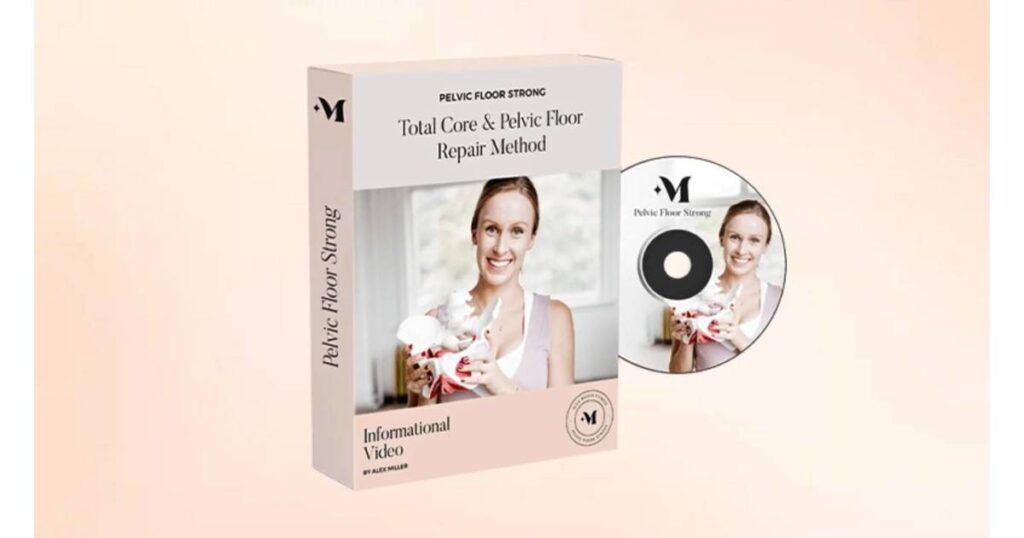
Programs like Pelvic Floor Strong combine exercises, breathing techniques, posture awareness, and progressive steps that can be followed in daily routines. These structured approaches make it easier to stay consistent and track improvement over time.
User Testimonials
Many people report real improvements, including reduced leaking and stronger core stability, after consistent practice.
6. Lifestyle Tips for Sustained Pelvic Health:-
Beyond exercise, certain lifestyle habits can support and maintain a strong pelvicfloor:
Stay Hydrated
Adequate hydration helps prevent constipation, which can place excess pressure on your pelvicfloor.
Maintain Balanced Weight
Excess abdominal pressure increases the load on your pelvic muscles — a healthy weight supports functional strength.
Avoid Constant Strain
Chronic heavy lifting and straining (e.g., during bowel movements) can weaken muscles — focus on proper technique and avoid holding your breath.
Move Regularly
Low‑impact activities like walking, yoga, and gentle strength training help maintain overall muscle health.
7. When to See a Professional:-
If symptoms are severe, worsening, or interfering with daily life, consult a healthcare professional or pelvic health specialist. Physical therapy and individualized guidance can address complex cases and tailor exercises to your needs.
8. FAQs:-
Is pelvic floor training only for women?
No — both men and women benefit from pelvicfloor strengthening, though patterns of symptoms differ.
How long before I see results?
Individual results vary, but with consistent practice, many people notice improvements in 4–8 weeks.
Can I overtrain my pelvic floor?
Yes — excessive, incorrect contractions without proper relaxation can lead to tension. Balance strength work with relaxation and breathing.
9. Final Thoughts
A strong pelvicfloor supports comfort, confidence, and core function from day‑to‑day life to intimate moments. Whether you’re dealing with leaks, pelvic pressure, or want better posture and stability, investing time in pelvic health is a worthwhile and empowering choice.
Visit Now :- Official Website