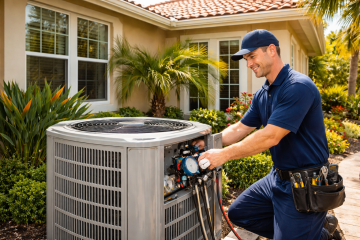
Electricity is the silent lifeline of our homes. We flip a switch, and life flows. But what if the heart of your home’s power system is struggling to keep up? Old switchboards aren’t just outdated—they can be dangerous. Modern homes demand more than the wiring and panels from decades ago.
Table of Contents
- Why Old Switchboards Can Be Risky
- The Growth of Home Power Demand
- Signs Your Switchboard Needs an Upgrade
- Safety Benefits of Modern Switchboards
- How Upgrades Protect Your Home and Devices
- Cost Insights and Long-Term Savings
- Making the Upgrade Simple and Smart
- Powering Ahead: A Safer, Smarter Home
Why Old Switchboards Can Be Risky
Many homes still rely on switchboards installed in the 1980s or even earlier. These were not built for today’s gadgets, smart devices, or home appliances that constantly draw power. Old panels often have outdated circuit breakers that may fail under heavy load, increasing the risk of fires.
One stat to consider: Electrical faults are responsible for over 25% of house fires in many countries. That’s a serious number that no homeowner wants to face.
The Growth of Home Power Demand
Think about your typical home today. Refrigerators, air conditioners, washing machines, smart TVs, computers, and charging devices. All these appliances pull electricity simultaneously. Older switchboards simply cannot handle this load safely.
A 2023 survey revealed that over 60% of homes built before 1990 are running outdated switchboards. That means most of these homes are vulnerable to electrical faults or overloading.
Signs Your Switchboard Needs an Upgrade
Some signs are subtle, others obvious. Flickering lights, tripping circuit breakers, warm switches, or the smell of burning plastic are all warning signals.
If your home uses fuses instead of circuit breakers, it’s definitely time for an upgrade. Fuses blow easily and do not provide the safety and flexibility modern households need.
Safety Benefits of Modern Switchboards
Modern switchboards are designed with advanced circuit breakers and residual current devices. These features protect against overload, short circuits, and even electric shocks.
Upgrading also allows for proper earthing and surge protection. This keeps your home safe during power spikes caused by storms or faulty equipment.
How Upgrades Protect Your Home and Devices
Apart from safety, a new switchboard ensures your appliances function efficiently. Devices last longer because they are not exposed to sudden surges or unstable power supply.
Smart homes, with security systems, home theaters, and charging stations, rely heavily on a steady, reliable power supply. A modern switchboard guarantees this stability.
Cost Insights and Long-Term Savings
Some homeowners hesitate because they see an upgrade as an unnecessary expense. But think of it as insurance for your home and valuables.
Replacing an old switchboard may cost between $800 and $1,500 depending on the home size. Compare that to potential damage from electrical fires or appliance replacements, and it’s a small investment.
Stat to highlight: Homes with modern switchboards reduce electrical failures by 70%, making the upgrade both a safety and financial decision.
Making the Upgrade Simple and Smart
Switchboard upgrades are best handled by licensed electricians. Professionals assess your home’s current system, recommend the right panel, and safely install it without disrupting your daily life.
Upgrades can also include additional safety measures, like circuit labeling and modular breakers, which make future maintenance easier and faster.
Powering Ahead: A Safer, Smarter Home
Your home deserves power that keeps up with modern life safely. A switchboard upgrade is not just about preventing problems—it’s about giving peace of mind. You get protection for your family, your devices, and your investment in your home.
Homes evolve, and so should the systems that power them. Don’t wait for a warning sign. Modern switchboards are no longer optional—they’re a necessity for safety, efficiency, and comfort.