Introduction
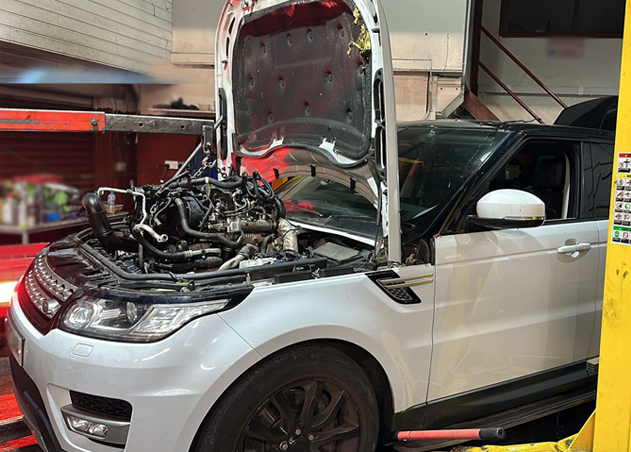
The engine is the heart of any vehicle, and in the case of the Range Rover, it plays a major role in delivering both luxury and performance. Known for its refined engineering and powerful capabilities, Range Rover engines are designed to provide a smooth driving experience on highways while maintaining the strength needed for off-road adventures. Over the years, the brand has continuously improved its engine technology to meet modern performance, efficiency, and environmental standards.
This article explores the evolution, types, technology, performance, and maintenance of Range Rover engines, helping readers understand why they are considered among the most advanced engines in luxury SUVs.
The Evolution of Range Rover Engines
The history of Range Rover engines reflects the broader development of automotive engineering. When the first Range Rover Classic was introduced in 1970, it was powered by a V8 petrol engine that provided impressive torque and durability for off-road driving.
Over time, Range Rover introduced various engine options to meet changing customer demands and environmental regulations. These included improved petrol engines, efficient diesel engines, and modern hybrid powertrains.
Today, under the ownership of Jaguar Land Rover, Range Rover continues to develop engines that combine performance with sustainability. New models focus on reducing emissions while maintaining the power expected from a luxury SUV.
Types of Range Rover Engines
Range Rover vehicles are available with different engine types to suit different driving preferences and performance needs.
1. Petrol Engines
Petrol engines in Range Rover models are known for delivering smooth acceleration and powerful performance. These engines are typically available in four-cylinder, six-cylinder, and V8 configurations.
For example, the powerful V8 petrol engine used in models like the Range Rover Sport produces exceptional horsepower and torque, making it ideal for drivers who prioritize speed and dynamic performance.
Petrol engines are particularly popular in regions where fuel efficiency is less of a concern and performance is the main priority.
2. Diesel Engines
Diesel engines have traditionally been a strong part of the Range Rover lineup. They are valued for their fuel efficiency and high torque output, which makes them suitable for towing and long-distance travel.
Diesel engines provide excellent pulling power, making them ideal for off-road driving conditions where consistent torque is required. They also tend to offer better fuel economy compared to petrol engines.
Because of their efficiency, diesel-powered Range Rover vehicles have been widely used for both luxury travel and demanding terrain.
3. Hybrid and Plug-in Hybrid Engines
Modern Range Rover models are increasingly focusing on electrification. Hybrid engines combine a petrol engine with an electric motor to improve fuel efficiency and reduce emissions.
The plug-in hybrid systems used in newer models like the Range Rover PHEV allow drivers to travel short distances using only electric power. This technology reduces fuel consumption and helps the vehicle comply with global environmental standards.
Hybrid technology also enhances performance because the electric motor can provide instant torque, improving acceleration.
Key Engine Technologies
Range Rover engines include several advanced technologies that enhance efficiency, reliability, and driving comfort.
Turbocharging
Turbocharging is commonly used in modern Range Rover engines. A turbocharger increases the amount of air entering the engine, allowing it to produce more power without increasing engine size.
This technology improves both performance and fuel efficiency, making it a key feature in many current Range Rover models.
Mild Hybrid Technology
Some Range Rover engines use mild hybrid systems that assist the engine during acceleration and recover energy during braking. This energy is stored in a battery and reused to support the engine when needed.
The result is improved fuel economy, smoother performance, and reduced emissions.
Intelligent Engine Management
Range Rover vehicles are equipped with advanced electronic systems that monitor engine performance in real time. These systems adjust fuel injection, air intake, and ignition timing to optimize efficiency and power.
This intelligent engine management ensures that the engine performs efficiently under different driving conditions.
Performance and Off-Road Capability
Range Rover engines are specifically designed to handle challenging terrains while maintaining comfort and luxury.
Thanks to their high torque output, these engines allow the vehicle to climb steep hills, cross rough terrain, and tow heavy loads. Combined with advanced four-wheel-drive systems, Range Rover engines deliver exceptional off-road capability.
One of the most advanced off-road systems is found in the Range Rover, which includes terrain response technology sharepoint consultation. This system adjusts engine performance and traction settings depending on the type of terrain, such as sand, snow, mud, or rocks.
The combination of engine power and intelligent driving systems allows Range Rover vehicles to perform well in almost any environment.
Fuel Efficiency and Environmental Considerations
In recent years, automotive manufacturers have faced increasing pressure to reduce emissions and improve fuel efficiency. Range Rover has responded by developing cleaner and more efficient engines.
Hybrid and plug-in hybrid powertrains significantly reduce fuel consumption, especially during city driving. In addition, modern engines use lightweight materials and advanced combustion technology to improve efficiency.
Maintenance and Engine Reliability
Like any advanced automotive system, Range Rover engines require regular maintenance to perform at their best.
Routine maintenance includes:
-
Regular oil changes
-
Air filter replacement
-
Cooling system checks
-
Fuel system cleaning
-
Software updates for engine management systems
Proper maintenance ensures that the engine runs smoothly, maintains fuel efficiency, and avoids major mechanical issues.
Owners who follow recommended service schedules can enjoy reliable performance and extend the lifespan of their Range Rover engines.
Future of Range Rover Engines
The future of Range Rover engines is closely tied to electrification and sustainable technology. Jaguar Land Rover has announced plans to introduce more electric and hybrid vehicles in the coming years.
Future engines will likely focus on reducing emissions while maintaining the powerful performance that Range Rover customers expect. Innovations in battery technology, electric motors, and energy management systems will play an important role in this transformation.
Conclusion
Range Rover engines represent a perfect balance between power, luxury, and technological innovation. From the early V8 engines of the 1970s to today’s advanced hybrid powertrains, the brand has consistently evolved to meet changing customer expectations and environmental challenges.
With powerful petrol engines, efficient diesel options, and cutting-edge hybrid technology, Range Rover continues to deliver exceptional driving experiences. Whether navigating city streets or tackling rugged off-road trails, Range Rover engines provide the strength, reliability, and performance that define this iconic luxury SUV brand.
For more information.