The size and placement of a rooflight can completely transform the way natural light enters your home. Whether you are upgrading an existing space, adding a rear extension, or planning a loft conversion, choosing the right dimensions and position is essential for creating a bright, comfortable, and visually balanced environment. In the UK — where daylight can be limited due to overcast weather and compact room designs — rooflight planning becomes even more important.
At Rooflights and Skylights UK, we help homeowners, architects, and builders choose rooflight sizes and placements that maximize brightness while maintaining harmony and comfort in each room. This guide provides clear, practical advice based on UK standards so you can make the right decision for your project.
1. Understanding UK Rooflight Sizing Principles
Rooflight size is typically based on the proportion of glazing relative to the size of the room. A common standard in UK design guidelines recommends:
Rooflight Area = 15% to 20% of the Room’s Floor Area
This is the ideal range for achieving comfortable and natural daylight without causing excessive glare or overheating.
Example:
-
Room size: 20 m²
-
Recommended rooflight area: 3–4 m²
Larger spaces can accommodate bigger rooflights, while smaller rooms benefit from 1–2 compact units placed strategically.
2. Choosing Between One Large Rooflight or Multiple Smaller Ones
Both approaches offer advantages depending on your goals.
A Single Large Rooflight
-
Creates a bold design statement
-
Allows maximum uninterrupted light
-
Perfect for modern, open-plan layouts
-
Works beautifully with Roof Lanterns
Multiple Smaller Rooflights
-
Distributes light more evenly
-
Can be placed to match room layout
-
Reduces harsh shadows
-
Ideal for smaller rooms, hallways, or lofts
At Rooflights and Skylights, we supply both oversized flat rooflights and elegant multi-unit layouts that suit a variety of architectural needs.
3. Placement Matters as Much as Size
Even the perfect-sized rooflight can underperform if placed incorrectly. Light direction, roof orientation, and room shape all influence how effectively daylight enters your space.
4. Understanding Roof Orientation in the UK
North-Facing Rooflights
-
Provide consistent, soft light
-
Ideal for studios, offices, and living rooms
-
No harsh shadows
South-Facing Rooflights
-
Capture the most sunlight
-
Brightest option for dark homes
-
Can increase heat gain (use solar control glass)
East-Facing Rooflights
-
Bring warm morning light
-
Good for bedrooms and kitchens
West-Facing Rooflights
-
Offer strong afternoon sunlight
-
Ideal for dining areas and garden-facing spaces
Choosing the right orientation helps ensure your home receives balanced light throughout the day.
5. Considering Roof Type: Flat vs. Pitched
Your roof structure also determines the type and placement of your rooflight.
Flat Roofs
Best suited for:
-
Flat rooflights
-
Fixed rooflights
-
Opening rooflights
-
Walk-on units
-
Roof Lanterns (dramatic visual impact)
Flat roofs require careful spacing to allow even daylight across the room. Rooflight positioning should consider internal wall placement, furniture layout, and ceiling depth.
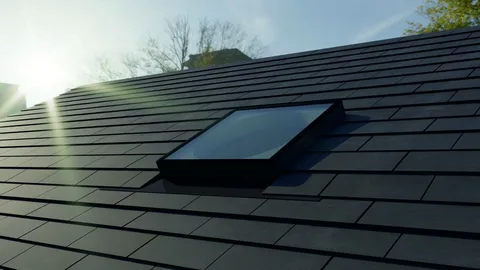
Pitched Roofs
Best suited for:
-
Centre-pivot skylights
-
Top-hung options
On pitched roofs, placement higher up the slope brings in brighter, more direct sunlight, while lower placement creates softer light.
6. How Deep Your Room Is Matters
Rooms that are wide or deep — especially open-plan kitchen-diners — require larger or multiple rooflights to ensure light reaches the farthest corners.
General Rule:
The deeper the room, the higher the rooflight should be placed in relation to the ceiling structure.
Tall ceilings paired with a large rooflight or Roof Lantern dramatically increase the light spread.
7. Avoiding Common Rooflight Placement Mistakes
To maximize comfort and prevent issues long-term, avoid these mistakes:
Mistake 1: Installing Rooflights Too Close to the Wall
This may create uneven shadows. Instead, place them slightly inward to let the light spread.
Mistake 2: Placing Rooflights Directly Above Screen Areas
Avoid positioning rooflights above TV zones or computer desks to prevent glare.
Mistake 3: Using Oversized Rooflights in Small Rooms
This can create visual imbalance and excessive brightness.
Mistake 4: Ignoring Ventilation Needs
In bathrooms and kitchens, an opening rooflight is more practical than a fixed one.
Mistake 5: Forgetting the Room Layout
Rooflights should be placed above:
-
Kitchen islands
-
Dining tables
-
Seating areas
-
Staircases
Not in unused corners.
8. Recommended Rooflight Sizes for Common UK Rooms
Here are general guidelines to help you select the right size.
Kitchen-Diner Extensions
-
1–2 large flat rooflights
-
Or one long rectangular Roof Lantern
-
Recommended size range: 1.5 m² to 5 m²
This helps brighten the centre of the home, where natural light is often lacking.
Living Rooms
-
One central rooflight or two smaller units
-
Recommended size: 1–2.5 m²
-
Smooth, natural light distribution is key
Lofts
-
Best choice: Framed Skylights
-
Size depends on pitch: 1–1.5 m² is typical
-
Place higher on the slope for maximum brightness
Bathrooms
-
One small opening rooflight
-
Size: 0.5–1 m²
-
Focus on ventilation
Hallways and Landings
-
One compact flat rooflight
-
Size: 0.5–1.2 m²
-
Ideal for spaces without windows
9. How Roof Lanterns Enhance Large Spaces
Roof Lanterns are perfect for large, open-plan rooms that require both brightness and architectural appeal. Their raised structure allows sunlight to enter from multiple angles, creating the brightest possible interior environment.
Best placement for Roof Lanterns:
-
Above a kitchen island
-
Over a dining table
-
In the centre of an extension
-
In orangery-style builds
Their size should match the room layout. Long rectangular lanterns work well in wide kitchen-diner extensions, while pyramid lanterns suit centralised living spaces.
10. How Framed Skylights Fit Into Placement Decisions
For pitched roofs, Framed Skylights offer excellent placement flexibility:
Place them:
-
Higher on the pitch for brighter light
-
Lower for softer, diffused light
-
In pairs for even light distribution
-
Across both sides of the pitch for symmetry
These skylights are ideal for lofts, upper floor bedrooms, and attic offices.
11. Don’t Forget Thermal Performance in Relation to Size
Larger rooflights mean more glazing area, which increases exposure to outdoor temperatures.
Choose options with:
-
Low U-value glass
-
Insulated frames
-
Solar-control coatings
-
Laminated inner panes
At Rooflights and Skylights, all glazing units — including Roof Lanterns and Framed Skylights — are designed to offer excellent insulation and year-round performance.
12. Professional Guidance Makes All the Difference
Every home is unique. That’s why choosing the right rooflight size and placement often requires expert advice.
At Rooflights and Skylights, we provide professional support for:
-
Rooflight size calculations
-
Best placement strategies
-
Ventilation planning
-
Flat and pitched roof design
-
Lantern vs. skylight selection
Our goal is to help you achieve balanced, comfortable, and beautifully lit spaces tailored to your home.
Final Thoughts
Choosing the right rooflight size and placement is essential for bringing in maximum daylight, improving comfort, and enhancing the look of your home. By considering room size, roof type, orientation, thermal performance, and layout, you can create bright, inviting spaces that feel open and modern.
Whether you opt for elegant flat rooflights, eye-catching Roof Lanterns, or classic Framed Skylights, Rooflights and Skylights offers the expertise and high-quality products you need to make your project a success. With the right guidance and design planning, a well-placed rooflight becomes one of the most valuable features of your home.