Sweet Potato Vine: A Complete Guide to Growing and Care
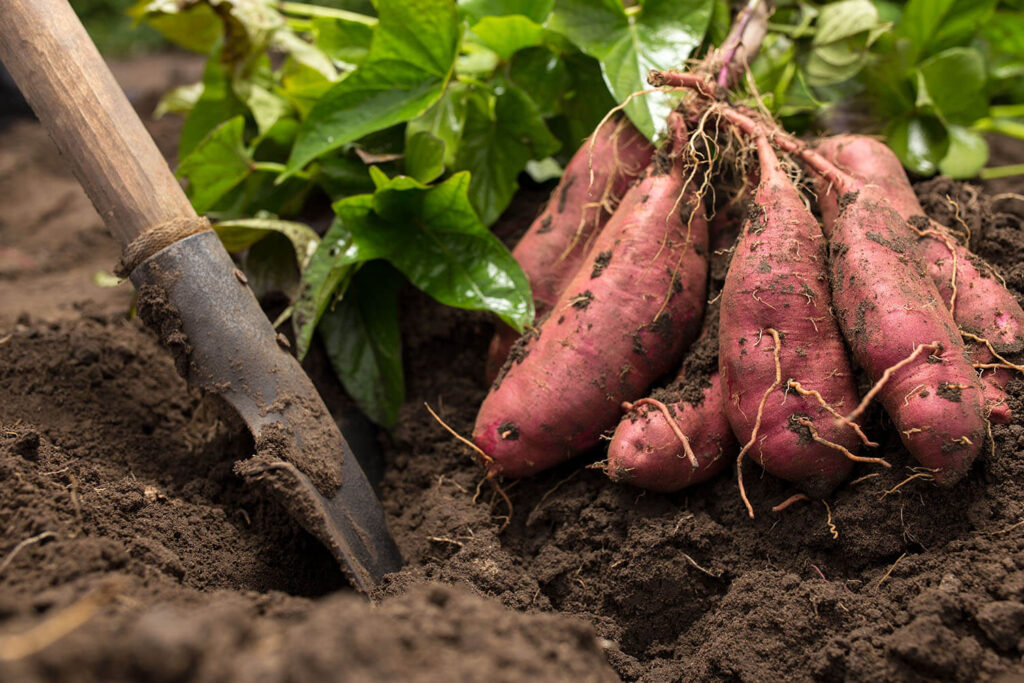
Sweet potato vine is a fast-growing, decorative plant known for its vibrant foliage and trailing growth habit. While it belongs to the same species as the edible sweet potato, ornamental varieties are mainly grown for their colorful leaves rather than their roots. With shades ranging from bright lime green to deep purple, sweet potato vine adds bold texture and contrast to gardens, hanging baskets, and containers.
If you’re looking for a low-maintenance plant that delivers dramatic visual impact, this complete guide will help you understand how to grow and care for sweet potato vine successfully.
Understanding Sweet Potato Vine
Sweet potato vine is a warm-season perennial in tropical and subtropical climates but is typically grown as an annual in cooler regions. It thrives in sunny environments and spreads quickly, making it ideal as ground cover or as a spiller plant in container arrangements.
The sweet potato vine is prized for its heart-shaped or deeply lobed leaves. Popular ornamental cultivars include bright chartreuse types and dark burgundy varieties, which create stunning contrast when paired with flowering plants.
Choosing the Right Location
Location plays a key role in healthy growth.
Sunlight
Sweet potato vine grows best in full sun, where it develops the most vibrant leaf color. However, it can also tolerate partial shade. In extremely hot climates, a little afternoon shade can prevent leaf scorch.
Soil
The plant prefers well-draining soil. While it is adaptable to different soil types, overly wet or compacted soil can lead to root rot. A rich, loamy soil amended with compost encourages vigorous growth.
Temperature
As a heat-loving plant, sweet potato vine thrives in warm temperatures. It is sensitive to frost, so it should only be planted outdoors after the danger of frost has passed.
Planting Sweet Potato Vine
Planting is simple and beginner-friendly.
- Space plants about 10 to 12 inches apart if using them as ground cover.
- For containers, choose pots with good drainage holes.
- Water thoroughly after planting to help establish roots.
Sweet potato vine grows quickly, so you will begin to see spreading vines within a few weeks.
Watering Requirements
Consistent watering is important, especially during the establishment phase.
- Keep the soil evenly moist but not soggy.
- In hot weather, container plants may require daily watering.
- Allow the top inch of soil to dry slightly between waterings.
Overwatering can cause yellowing leaves or root issues, so balance is key.
Fertilizing Tips
Sweet potato vine does not require heavy feeding. In fact, too much fertilizer can lead to excessive foliage growth with reduced color intensity.
- Apply a balanced, slow-release fertilizer at planting time.
- For container plants, a diluted liquid fertilizer once a month is usually sufficient.
If the plant appears leggy or pale, a light feeding may help restore vigor.
Pruning and Maintenance
One of the advantages of sweet potato vine is its easy maintenance.
Pruning
The vines can grow quite long, especially in ideal conditions. Regular trimming keeps the plant tidy and encourages fuller growth. Simply pinch back the tips to control size and shape.
Cleaning
Remove any yellowing or damaged leaves to improve airflow and maintain appearance.
Controlling Spread
In garden beds, sweet potato vine can spread aggressively. Keep an eye on its boundaries and trim back as needed to prevent overcrowding.
Growing in Containers and Hanging Baskets
Sweet potato vine is especially popular in container gardening.
- Use it as a “spiller” plant that cascades over the edges of pots.
- Pair it with upright flowering plants for contrast.
- Ensure containers have proper drainage to prevent root rot.
Its trailing habit makes it perfect for balcony gardens and patio arrangements.
Propagation Methods
Propagating sweet potato vine is simple and cost-effective.
Stem Cuttings
- Cut a healthy vine section about 4 to 6 inches long.
- Remove lower leaves.
- Place the cutting in water or moist soil.
Roots typically develop within one to two weeks. Once rooted, the cutting can be planted in soil.
This easy propagation method allows gardeners to multiply plants quickly.
Common Problems and Solutions
Although sweet potato vine is relatively hardy, it can encounter a few issues.
Pests
Aphids and whiteflies may occasionally appear. These can usually be controlled with insecticidal soap or a strong spray of water.
Leaf Yellowing
Yellow leaves may indicate overwatering or poor drainage. Adjust watering habits and ensure soil drains properly.
Fungal Issues
In overly humid or wet conditions, fungal diseases may develop. Good air circulation and proper watering practices help prevent this.
Overwintering Sweet Potato Vine
In colder climates, sweet potato vine does not survive frost. However, you can overwinter it indoors.
- Take cuttings before the first frost and root them in water.
- Keep potted plants indoors in a bright location.
Once spring returns and temperatures rise, the plant can be moved back outdoors.
Landscaping Ideas
Sweet potato vine works beautifully in:
- Mixed flower beds
- Hanging baskets
- Window boxes
- Ground cover areas
- Container combinations
Its bold foliage color provides contrast against flowering plants like petunias, geraniums, and begonias.
Final Thoughts
Sweet potato vine is a versatile, fast-growing ornamental plant that adds vibrant color and texture to any garden space. With proper sunlight, well-draining soil, and moderate watering, it thrives with minimal effort. Whether used as ground cover or cascading from containers, this adaptable plant enhances outdoor areas with its lush foliage.
By following the planting, watering, and maintenance tips outlined in this guide from Xendo Health, you can enjoy healthy and attractive sweet potato vines throughout the growing season.