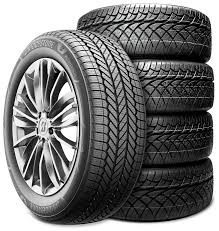
When it comes to vehicle maintenance, understanding tire specifications is crucial for ensuring a smooth and safe ride. One essential measurement that drivers often need to calculate is the tire diameter RPM. This tool helps you determine the relationship between the size of your tires and the rotations per minute (RPM) they make while driving at a specific speed. Whether you’re a car enthusiast or just looking to replace your tires, using a tire diameter RPM calculator can help you make more informed decisions.
In this article, we’ll explore how to calculate tire diameter, the importance of RPM calculations, and how this affects the performance of your vehicle. We’ll also discuss the best places to buy tires online and how to choose the best affordable tire brands.
What is a Tire Diameter RPM Calculator?
A tire diameter RPM calculator is a tool that helps you calculate the number of rotations per minute your tires make at a certain speed. It uses your tire’s diameter and the speed you’re traveling at to determine the RPM. This is important for understanding your vehicle’s efficiency and ensuring that the tire size you choose matches the specifications recommended by the manufacturer.
Why is Tire Diameter and RPM Important?
Understanding tire diameter and RPM is crucial for several reasons:
-
Accuracy of Speedometer: Different tire sizes can cause discrepancies in the readings of your vehicle’s speedometer.
-
Fuel Efficiency: The wrong tire size can affect your vehicle’s fuel efficiency, as it changes how many times the engine has to turn to move the vehicle.
-
Performance: Larger tires or improper diameter can affect your vehicle’s handling, acceleration, and braking performance.
By using a tire diameter RPM calculator, you can ensure that your vehicle is running optimally, maintaining accuracy in your speed readings, and achieving better performance.
How to Calculate Tire Diameter and RPM
Step 1: Measure the Tire Width
The first thing you’ll need to know is your tire’s width. This is typically marked on the sidewall of your tire, like 205/55R16, where the number “205” represents the width in millimeters.
Step 2: Check the Aspect Ratio
The second number in the tire size, in this case, “55,” represents the aspect ratio. This is the height of the tire’s sidewall as a percentage of its width. So, if the aspect ratio is 55, the height is 55% of the tire’s width.
Step 3: Measure the Rim Diameter
The “R16” in the tire size refers to the rim diameter in inches. You need to know the size of the rim to accurately calculate the overall tire diameter.
Step 4: Use a Tire Diameter RPM Calculator
Once you have the necessary measurements (tire width, aspect ratio, and rim diameter), you can use an online tire diameter RPM calculator to plug in the values and determine your tire’s full diameter. This calculation will also give you the RPM at different speeds.
Key Factors to Consider When Buying Tires
When you’re ready to purchase new tires, it’s important to consider more than just the size. Here are some factors to keep in mind:
1. Best Affordable Tire Brands
Choosing the right tire brand can make a huge difference in your vehicle’s performance and safety. Some of the best affordable tire brands include brands like Goodyear, Michelin, and Bridgestone. These brands offer a great balance of quality and price.
2. Where to Buy Tires Online
Thanks to online tire stores, buying tires has never been easier. You can browse different tire brands, read reviews, and compare prices from the comfort of your home. Some of the best places to buy tires online include well-known websites like Tire Rack and Discount Tire.
3. Order Tires Online with Ease
Once you’ve selected the right tire for your vehicle, you can easily order tires online and have them delivered to your home or local mechanic for installation. Many online tire stores offer discounts and free shipping, making it an affordable and convenient option.
4. Backspace to Offset Calculator
Another helpful tool when choosing tires is the backspace to offset calculator. This tool allows you to calculate the offset of your wheels, which is important for ensuring that your tires fit properly on your vehicle without rubbing against the suspension or other components.
Tire Diameter RPM Calculator: Practical Applications
Using a tire diameter RPM calculator is particularly useful for car enthusiasts, mechanics, and anyone looking to upgrade their vehicle’s performance. It can help you:
-
Maintain accurate speedometer readings.
-
Adjust tire sizes when changing wheels for better handling.
-
Calculate the overall performance and fuel efficiency of your vehicle.
Conclusion: Why You Need a Tire Diameter RPM Calculator
In summary, a tire diameter RPM calculator is a valuable tool for anyone looking to ensure their vehicle is running efficiently. By calculating the correct tire diameter and RPM, you can avoid performance issues and ensure your vehicle stays in optimal condition.
If you’re in the market for new tires, remember to consider factors like the best affordable tire brands, where to buy tires online, and whether the tire diameter and RPM calculations are appropriate for your vehicle. With the right tires, you can enhance your driving experience while maintaining safety and performance.
FAQs
1. How do you calculate tire diameter?
To calculate tire diameter, you need to know the tire width, aspect ratio, and rim diameter. Use an online calculator or the formula: Tire Diameter = (2 × Sidewall Height) + Rim Diameter.
2. Why is the tire diameter RPM important?
The tire diameter RPM is important because it helps maintain the accuracy of your speedometer, affects fuel efficiency, and ensures optimal vehicle performance.
3. Can I buy tires online?
Yes, you can easily buy tires online from reputable stores like Tire Rack, Discount Tire, or Walmart, offering a wide variety of brands and sizes.
4. What are the best affordable tire brands?
Some of the best affordable tire brands include Goodyear, Michelin, Bridgestone, and Continental, offering reliable quality at reasonable prices.
5. What is backspacing to offset?
The backspacing to offset calculator helps you calculate the wheel offset based on the backspacing measurement, ensuring the proper fitment of your tires and wheels on your vehicle.