Industrial yards, construction zones, marine docks, and temporary event spaces face a common challenge: unpredictable weather combined with heavy activity. Rain, mud, fuel drips, hydraulic leaks, and vehicle traffic can quickly turn a safe site into a slippery, contaminated, and environmentally risky area. Two simple yet powerful solutions help prevent damage and pollution—weather-resistant traffic mats and absorbent socks. When used together, they create a strong line of defence against ground destruction and hazardous drain contamination.
Why Weather-Resistant Traffic Mats Matter in Harsh Conditions?
Traffic mats are designed to provide temporary yet durable ground protection. In dry weather, they prevent soil compaction and surface damage caused by heavy machinery. However, their real value becomes obvious during rain, frost, or extreme heat.
Wet ground quickly turns unstable. Trucks and forklifts sink into soft soil, leaving deep ruts that are expensive to repair. In winter, icy surfaces increase the risk of slips and accidents. High-quality weather-resistant mats are made from heavy-duty composite or polyethylene materials that maintain grip even in moisture. Their textured surfaces reduce slippage while distributing weight evenly across the ground.
Beyond safety and access, these mats play an important environmental role. When vehicles move across muddy terrain, contaminated water mixed with oil residue can spread across the site. Traffic mats act as a barrier between machinery and soil, limiting direct contact and reducing the transfer of pollutants into the ground.
The Hidden Risk: Drain Contamination During Wet Weather
Stormwater drainage systems are designed to carry rainwater away efficiently. They are not built to filter hazardous substances. During heavy rainfall, water flows rapidly across open yards and work areas, collecting debris and chemical residues along the way.
Even small oil drips from parked vehicles can accumulate over time. When it rains, those residues wash into drainage grates. Once inside the system, contamination becomes difficult and costly to control. In marine environments, pollutants may flow directly into rivers or coastal waters. In industrial estates, they may enter public sewer systems, leading to environmental fines and reputational damage.
Many site managers focus on spill kits for emergency incidents but overlook everyday minor leaks. These small, frequent discharges are often the primary cause of drain pollution. Preventative measures are therefore essential.
How Absorbent Socks Create a Protective Barrier?
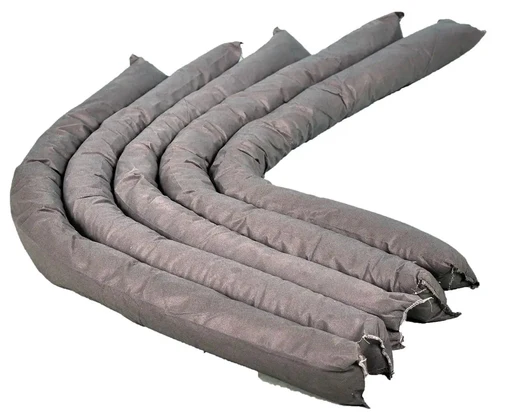
Absorbent socks are flexible tubes filled with absorbent material, specifically designed to contain and control liquid spills. Their shape allows them to be placed around drains, machinery bases, storage areas, and loading zones. Unlike flat pads, socks form a physical barrier that stops liquids from spreading.
When positioned strategically in front of drain covers, absorbent socks act as a first-response containment system. If rainwater carries oil toward the drain, the sock traps and absorbs the contaminant while allowing cleaner water to pass slowly through. This simple intervention prevents hazardous substances from entering drainage systems.
Oil-only absorbent socks are particularly effective in outdoor environments. They repel water while absorbing hydrocarbons, making them ideal during heavy rain. Universal socks, on the other hand, are suitable for mixed liquid spills in industrial settings.
Combining Traffic Mats and Absorbent Socks for Maximum Protection
While each product offers benefits on its own, their combined use creates a comprehensive site protection strategy.
Traffic mats stabilize the ground and limit the spread of mud and contaminated runoff. They create defined vehicle pathways, reducing random movement that could distribute pollutants. At the same time, absorbent socks placed near entry and exit points, fuel storage areas, and drainage channels provide targeted spill control.
For example, in a construction yard during heavy rain, vehicles drive over traffic mats instead of bare soil. This reduces soil displacement and prevents mixing of oil residues with mud. Any runoff approaching drainage areas meets absorbent socks positioned as containment lines. The result is controlled water flow with significantly lower risk of contamination.
In marine environments, the combination is equally effective. Mats protect dock surfaces from structural wear, while absorbent socks around fuel transfer zones prevent accidental leaks from reaching the water.
A Practical Investment in Safety and Sustainability
Weather can never be fully controlled, but its impact can be managed. Rain, mud, and heavy traffic do not have to result in damaged ground or contaminated drains. With the right protective measures in place, sites remain accessible, safe, and compliant.
Weather-resistant traffic mats provide stability and help preserve the ground in challenging conditions. Absorbent Socks for Oil offer immediate containment against hazardous runoff. Together, they form a reliable defence system for construction projects, industrial facilities, and marine operations.
Investing in these preventative solutions is not simply about avoiding problems; it is about building safer workplaces and demonstrating environmental responsibility. In today’s climate of heightened awareness and regulation, proactive spill control is no longer optional.