Understanding security obligations is crucial as more and more businesses go to the cloud. Cloud platforms offer scalability, flexibility, and cost efficiency, but they also introduce new security considerations. One of the most important concepts in cloud computing especially when working with Amazon Web Services (AWS) is the Shared Responsibility Model.
Many businesses mistakenly assume that moving to the cloud automatically transfers all security obligations to the cloud provider. However, cloud security operates on a shared model, where responsibilities are divided between AWS and the customer. Understanding this division is essential to maintaining compliance, protecting sensitive data, and preventing costly breaches.
This blog explores the AWS Shared Responsibility Model in detail, clarifying what AWS secures, what customers must secure, and how organizations can implement best practices for cloud security.
What Is the Shared Responsibility Model?
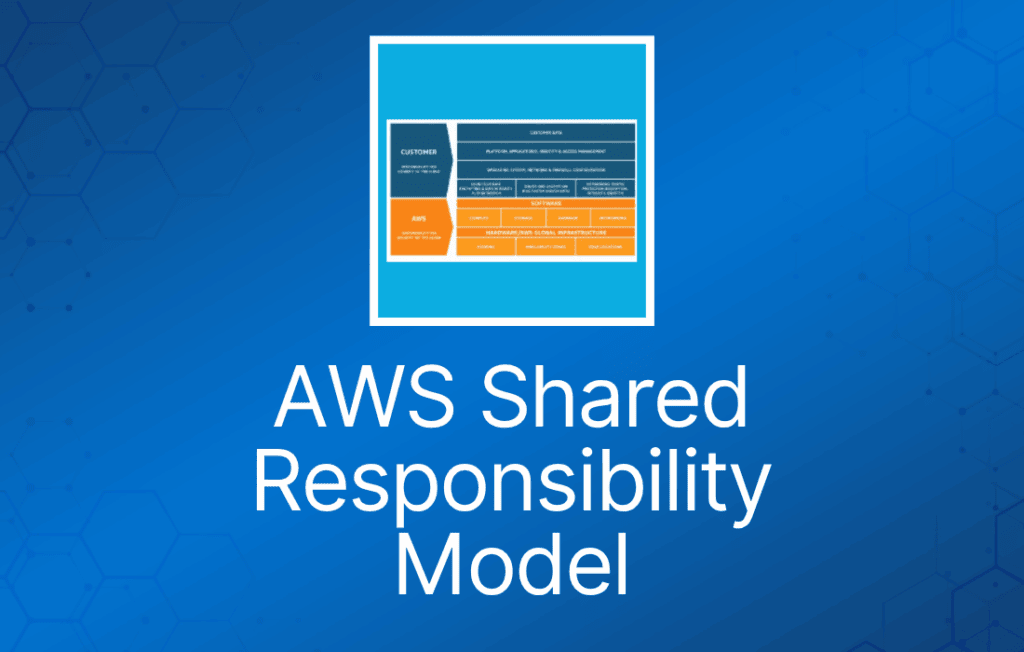
The Shared Responsibility Model defines how security and compliance responsibilities are split between AWS and its customers. Customers are in charge of protecting their cloud applications, while AWS is in charge of protecting the cloud infrastructure.
In simple terms, AWS handles security of the cloud, and customers handle security in the cloud.
This distinction ensures both parties clearly understand their roles in maintaining a secure cloud environment. Students studying cloud strategy concepts at a B School in Chennai are increasingly exposed to this model as part of modern digital transformation and IT governance discussions.
Security “Of” the Cloud: AWS Responsibilities
The infrastructure that powers all of AWS’s services must be protected. This includes the physical facilities, hardware, networking, and foundational software components.
Physical Infrastructure Security
AWS secures its global data centers with advanced physical protection measures. These include surveillance systems, access controls, security personnel, and environmental safeguards such as fire suppression and climate control systems.
Hardware and Network Protection
AWS maintains and protects servers, storage devices, and networking equipment. It ensures that hardware components are secure and regularly updated. The networking layer, including routers, switches, and firewalls, is also managed and protected by AWS.
Virtualization Layer Security
AWS secures the hypervisor and virtualization infrastructure that enable multiple customers to operate in isolated environments. This isolation prevents unauthorized access between different customer workloads.
By managing these foundational layers, AWS ensures that customers operate on a secure and reliable cloud platform.
Security “In” the Cloud: Customer Responsibilities
While AWS secures the underlying infrastructure, customers are responsible for configuring and managing their cloud resources securely.
Identity and Access Management
Customers must properly configure user permissions using AWS Identity and Access Management (IAM). Granting excessive permissions can create vulnerabilities, while poorly managed credentials can lead to unauthorized access.
Data Protection
Customers are responsible for encrypting sensitive data, managing encryption keys, and implementing appropriate backup policies. This includes data stored in services such as Amazon S3, databases, and virtual machines.
Operating System and Application Security
For services like Amazon EC2, customers must secure operating systems, apply patches, configure firewalls, and monitor application-level vulnerabilities. AWS provides the infrastructure, but customers manage the software installed on virtual machines.
Network Configuration
Professionals trained at a Best IT Course Institute in Chennai often gain practical knowledge in securely configuring these services to avoid misconfigurations and compliance risks.
How Responsibility Varies by Service Type
The level of customer responsibility changes depending on the type of AWS service being used.
Infrastructure as a Service (IaaS)
With services like Amazon EC2, customers have greater control and therefore greater responsibility. They manage operating systems, applications, and configurations.
Platform as a Service (PaaS)
For managed services like AWS Elastic Beanstalk or Amazon RDS, AWS handles more of the infrastructure and maintenance tasks. Customers focus primarily on application code and data.
Software as a Service (SaaS)
In SaaS offerings, AWS manages most infrastructure and application layers. Customers mainly handle user access and data management.
Understanding these differences helps organizations allocate resources appropriately and avoid security gaps.
Common Misconceptions About the Shared Responsibility Model
One common misconception is that AWS is fully responsible for all aspects of security. While AWS provides a secure infrastructure, customers must actively configure and monitor their environments.
Another misunderstanding is that compliance is automatically achieved by using AWS. Although AWS maintains compliance certifications, customers must ensure their own workloads meet regulatory requirements.
Ignorance of these differences may result in financial losses, noncompliance with regulations, and data breaches.
Best Practices for Customers
To effectively meet their responsibilities, organizations should adopt structured security practices. Professionals who undergo AWS Training in Chennai often learn how to systematically implement these security frameworks in real-world cloud environments.
Users are granted just the access required for their responsibilities when the concept of least privilege is put into practice. Regularly reviewing and rotating credentials reduces the risk of unauthorized access and strengthens overall governance.
While encryption should be used both in transit and at rest to protect sensitive data from possible attacks, multi-factor authentication improves identity protection.
Continuous monitoring using services such as AWS CloudTrail and Amazon CloudWatch helps detect suspicious activity at an early stage. Regular vulnerability assessments and automated patch management further improve the organization’s security posture.
In the case of a breach, a well-defined incident response strategy guarantees prompt and coordinated action, reducing impact and accelerating recovery.
Importance of Shared Responsibility in Compliance
Many industries operate under strict regulatory frameworks such as GDPR, HIPAA, or PCI-DSS. While AWS provides compliant infrastructure, customers must configure their environments according to regulatory requirements.
Proper logging, auditing, encryption, and access control are necessary to meet compliance standards. Understanding shared responsibilities prevents organizations from mistakenly assuming AWS handles all regulatory obligations.
Evolving Cloud Security Landscape
As cloud adoption increases, the security landscape continues to evolve. Organizations are increasingly adopting DevSecOps practices, integrating security into development pipelines. Automation tools are being used to detect misconfigurations and enforce policies in real time.
Customers must continue to be proactive in learning about and adjusting to new threats even as AWS improves its security offerings on a constant basis. Cloud security is not a one-time setup; it is an ongoing process requiring vigilance and expertise.
The Shared Responsibility Model in AWS is a foundational concept for cloud security. AWS secures the infrastructure that powers its services, while customers secure their data, applications, and configurations within the cloud.
Understanding this division of responsibility helps organizations avoid security gaps, maintain compliance, and protect sensitive information. By implementing strong access controls, encryption strategies, monitoring systems, and regular audits, businesses can fully leverage AWS while maintaining a robust security posture.
In today’s digital landscape, cloud security is a collaborative effort. When both AWS and customers fulfill their respective responsibilities, organizations can confidently scale, innovate, and thrive in the cloud environment.