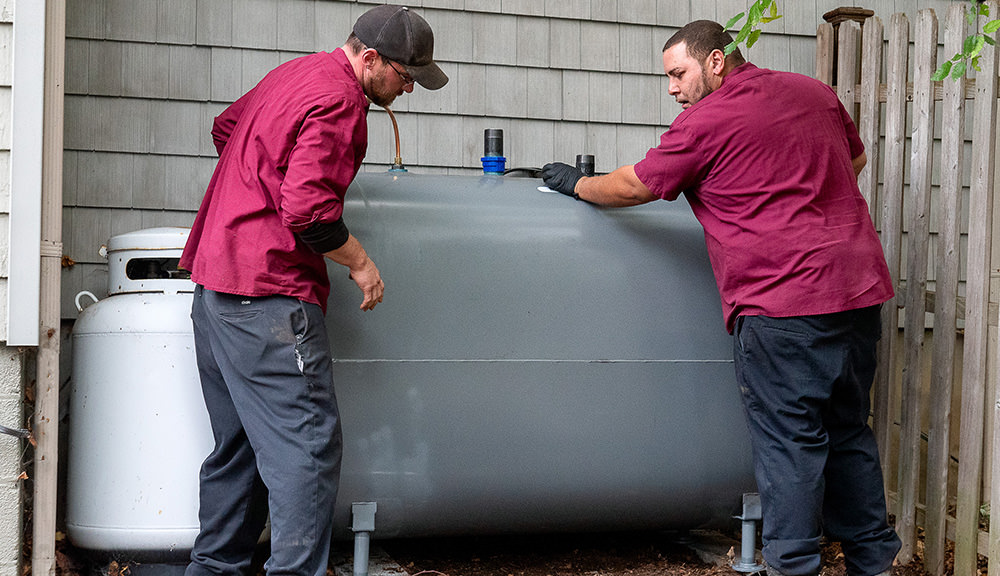
A heating oil tank is the backbone of any heating system. It works hard to provide consistent warmth and hot water during the harshest winter months. However, these tanks are not permanent fixtures. Like any other home appliance, they have a limited lifespan.
Ignoring the signs of an ageing tank can result in serious environmental hazards and incredibly high cleanup costs. In this guide, we will help you identify the red flags early so you can retire your old tank before a minor issue turns into a major crisis.
10 Signs Your Heating Oil Tank Needs Replacement
Rust or Corrosion on the Tank Surface
One of the most obvious signs of trouble is the appearance of rust or corrosion on the outside of your tank. You can notice orange streaks, dark patches, or even blisters where the paint is starting to bubble. It is vital to understand that steel tanks usually rust from the inside out due to trapped moisture.
In case of spotting any of these marks, it is a good idea to speak with professional domestic oil tank installers to discuss your options for a sturdier, modern replacement.
Leaks or Oil Stains Around the Tank
You should regularly walk around your tank and look at the ground beneath it. Wet spots, dark stains on the concrete, or oily puddles indicate a leak. Even a tiny pinhole leak can release a lot of fuel over time.
Carefully check the area where the pipes connect to the tank, as these joints often weaken first. A leak is not just a waste of expensive fuel; it is a fire hazard and a threat to your property. If the area looks damp or greasy, your tank has reached the end of its useful life.
Frequent Fuel Shortages Despite Normal Usage
Do you feel like you are calling for a fuel delivery much more often than last year? It is a clear sign of a hidden problem. It may be a very slow leak, or your tank may be failing to hold the vacuum or pressure needed to operate correctly.
Tracking your fuel usage is a great way to monitor the health of your system. When the math doesn’t add up, the tank is usually the primary suspect for the loss.
Old Age
Time is the greatest enemy of any fuel storage system. Most standard steel tanks are designed to last between 15 and 20 years. If your tank was already in the house when you moved in decades ago, it is likely on borrowed time. Even if the outside looks perfectly fine, the internal structure is likely degrading due to years of chemical reactions with the fuel and condensation.
You should check the installation date on the tank’s label. If it has passed the 20-year mark, replacing it now is a much smarter choice than waiting for it to fail.
Dents, Cracks, or Structural Damage
Physical damage to the tank should never be ignored. You may think a small dent from a falling branch or a minor crack in the outer coating is just a cosmetic issue, but it is much more serious. Any deformity in the shape of the tank puts extra stress on the metal or plastic, which can lead to a sudden split.
Similarly, check the legs and the platform that the tank sits on. If the tank is leaning or the supports are cracked, the weight of the fuel could cause a total collapse, leading to a massive spill.
Water or Sludge Buildup Inside the Tank
Over the years, air entering the tank carries moisture, which settles at the bottom as water. This water creates a perfect environment for bacteria to grow, forming a thick sludge. This sludge can be pulled into your fuel lines, clogging your filters and damaging your boiler.
If your heating system keeps breaking down or requiring repairs, the culprit can be the dirty environment inside your old tank. Tanks can be cleaned, but an old tank with heavy sludge buildup is usually better off being replaced with a new, clean, double-walled model.
Visible Soil or Ground Contamination Near the Tank
If you have an outdoor tank, keep a close eye on the nearby plants and soil. Oil is toxic to vegetation, so if you notice a patch of dead grass or a tree that is suddenly struggling near the tank, it could be a sign of an underground leak.
You can also see a rainbow-like sheen on puddles after it rains. This is a very serious stage of tank failure. In such cases, you should contact a professional oil tank removal company to safely take away the damaged unit and ensure the contaminated soil is treated properly.
Bottom Line
Replacing your heating oil tank is a significant task, but it is one of the best ways to protect your home. By watching for these signs, you can avoid the stress and high costs of an emergency spill. A new tank provides safety, better efficiency, and, most importantly, peace of mind for you and your family.