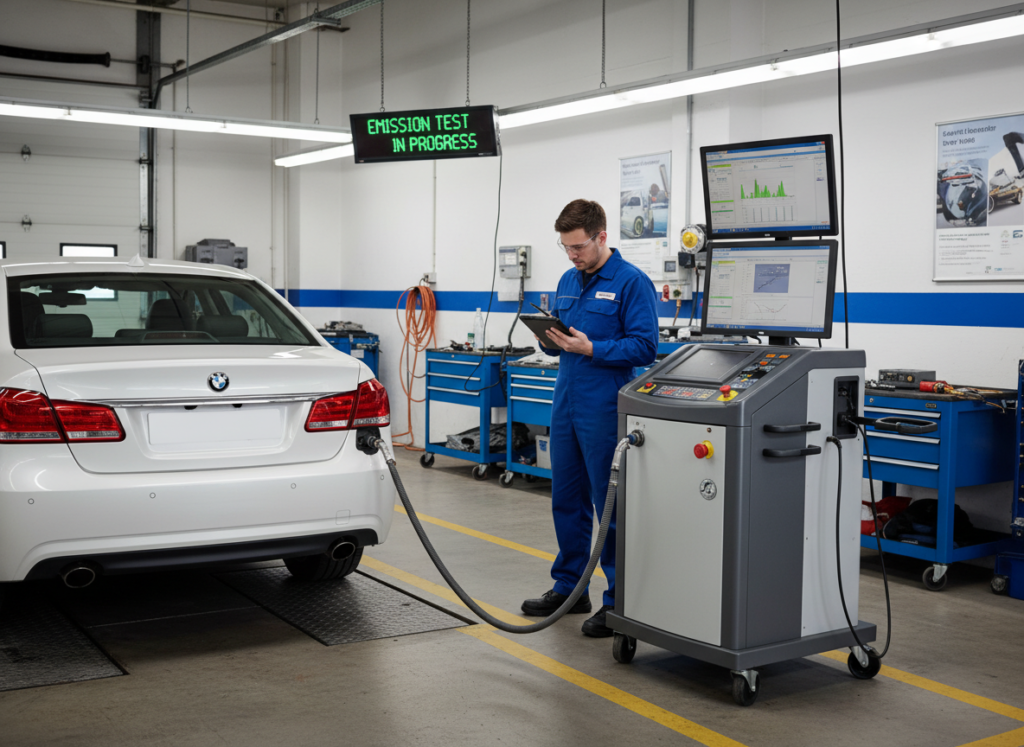
Managing a fleet comes with many responsibilities, and one of the most important is controlling vehicle emissions. While emission testing may seem like just another task, it plays a major role in protecting the environment, improving vehicle performance, and reducing long-term costs.
In this guide, we’ll explain why emission testing is essential for fleets and how it benefits both businesses and the environment.
What Is Emission Testing?
Emission testing checks the amount of harmful gases released by vehicles. These include:
- Carbon dioxide (CO₂)
- Nitrogen oxides (NOx)
- Carbon monoxide (CO)
- Particulate matter
The goal is to ensure vehicles stay within environmental limits and do not produce excessive pollution.
Why Do Fleets Need Emission Testing?
Fleet vehicles operate more frequently than regular cars, meaning they produce more emissions over time. Without proper monitoring, this can lead to environmental harm, higher costs, and legal issues.
1. Reduces Environmental Impact
One of the biggest reasons for emission testing is environmental protection.
- Helps reduce air pollution
- Lowers greenhouse gas emissions
- Supports cleaner cities and communities
By keeping emissions under control, fleet operators contribute to a healthier environment.
2. Ensures Legal Compliance
Most regions have strict emission standards for commercial vehicles.
- Avoid fines and penalties
- Stay compliant with government regulations
- Pass mandatory inspections
Regular testing ensures your fleet remains road-legal at all times.
3. Improves Fuel Efficiency
High emissions often indicate engine inefficiency.
- Cleaner engines burn fuel more effectively
- Reduces fuel consumption
- Lowers operational costs
Over time, improved efficiency leads to significant savings for fleet owners.
4. Prevents Major Repairs
Emission testing helps detect issues early.
- Identifies engine problems
- Detects faulty sensors or filters
- Prevents costly breakdowns
Fixing small issues early avoids expensive repairs later.
5. Extends Vehicle Lifespan
Well-maintained vehicles last longer and perform better.
- Reduces engine strain
- Improves overall performance
- Increases durability
This helps businesses get maximum value from their fleet investments.
6. Enhances Brand Reputation
Today, customers and partners prefer environmentally responsible businesses.
- Shows commitment to sustainability
- Builds trust with clients
- Improves company image
A clean and compliant fleet reflects professionalism and responsibility.
7. Improves Driver Safety
Emission-related issues can affect vehicle performance.
- Ensures smoother engine operation
- Reduces risk of breakdowns
- Provides safer driving conditions
This protects both drivers and cargo on the road.
8. Supports Sustainable Business Practices
Sustainability is becoming a priority for modern businesses.
- Reduces carbon footprint
- Aligns with green initiatives
- Helps meet corporate responsibility goals
Emission testing is a simple step toward building a greener business.
How Often Should Fleets Be Tested?
The frequency of emission testing depends on usage and local regulations, but general guidelines include:
- Heavy-duty vehicles: more frequent checks
- High-mileage fleets: regular testing recommended
- Most fleets: annually or semi-annually
Maintaining a consistent testing schedule ensures compliance and reliability.
Tips to Maintain Low Emissions
To keep your fleet running clean and efficient:
- Perform regular vehicle maintenance
- Use high-quality fuel
- Replace air and fuel filters on time
- Monitor engine performance
- Train drivers in fuel-efficient driving habits
Small improvements can make a big difference in reducing emissions.
Final Thoughts
Emission testing is not just a regulatory requirement—it’s a smart business practice. It helps reduce environmental impact, improve fuel efficiency, prevent costly repairs, and extend the life of your vehicles.
By making emission testing a regular part of fleet management, businesses can lower costs, enhance performance, and build a more sustainable future.