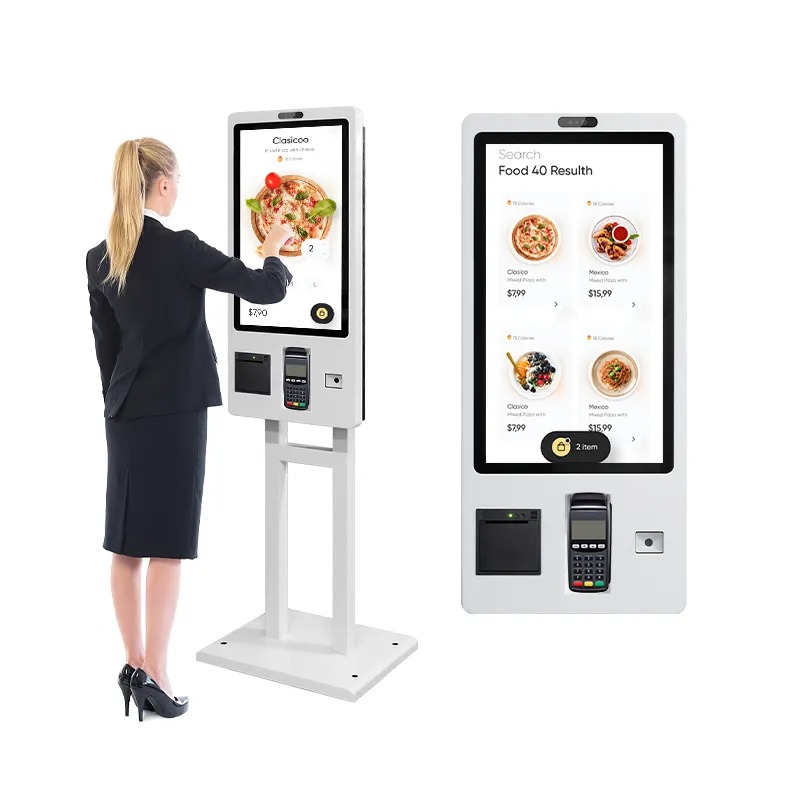
Saudi Arabia’s digital transformation is rapidly reshaping how people live, work, and interact with businesses. At the heart of this transformation is the adoption of digital technologies that improve convenience, efficiency, and customer experience. One particularly visible example of this shift is the rise of the self service kiosk a digital interface that allows users to complete tasks independently without relying on human assistance.
Introduction to Saudi Arabia’s Digital Economy
Saudi Arabia’s digital economy has expanded significantly in recent years, driven by large investments in technological infrastructure, mobile connectivity, and digital services. Under the framework of Vision 2030, the Kingdom has aggressively pursued modernization of public services, retail, hospitality, and transport systems, positioning digital innovation as a central pillar of economic diversification.
In this environment, technology that enhances automation, reduces friction, and frees up human capital for higher-value activities has gained particular traction.
What Is a Self-Service Kiosk?
A self service kiosk is an interactive terminal that allows users to independently perform tasks that traditionally required an employee’s help. These tasks range from ordering food, purchasing tickets, checking in for flights, making payments, printing documents, or getting directions — all through an easy-to-use digital interface.
Typical features of these kiosks include:
-
Touchscreen operation
-
Secure payment integration
-
Multilingual support
-
Connectivity to backend systems and databases
Drivers Behind the Rapid Adoption
1. Customer Demand for Convenience
Consumers today expect speed and convenience. Whether in a mall, airport, hospital, or fast-food restaurant, people prefer quick digital interactions over long queues. The self service kiosk delivers exactly this: shorter waiting times, intuitive navigation, and 24/7 availability.
2. Growth in Digital Payments
Saudi Arabia has seen a surge in digital payment adoption — from mobile wallets to card transactions — supported by strong financial infrastructure and regulatory encouragement. Self-service kiosks leverage these payment trends, offering seamless cashless transactions that align with consumer preferences.
3. Labor Optimization
Businesses across sectors are facing labor challenges including higher wages, turnover, and increasing customer volumes. Implementing self service kiosk solutions helps organizations redeploy staff to tasks that require human interaction and decision-making, while the kiosks handle routine, repetitive service requests.
4. Government Support and Vision 2030 Initiatives
The Saudi government has actively promoted digital transformation across public and private sectors. Initiatives under Vision 2030 prioritize smart city projects, e-government services, and innovation hubs — all of which incentivize technologies like self-service kiosks that modernize service delivery and stimulate local tech ecosystems.
Key Sectors Benefiting from Self-Service Kiosks
Retail and E-Commerce
Shopping malls and retail chains in Saudi Arabia are rapidly installing self service kiosk terminals for order placement, product information, returns, and loyalty program management. These kiosks enhance personalization while reducing staff burden during peak shopping periods.
Hospitality and Tourism
With Saudi Arabia opening up to international tourism, hotels, cultural sites, and attractions are deploying kiosks to manage check-ins, ticketing, and information services — often with multilingual support to serve global visitors.
Transportation and Airports
Self-service terminals are now commonplace in airport terminals for check-in, boarding pass issuance, and baggage tagging. In public transport systems, kiosks help commuters purchase tickets and access real-time travel information without delays.
Healthcare
Hospitals and clinics have introduced self service kiosk stations for patient check-ins, appointment scheduling, and bill payments. This reduces administrative congestion and allows healthcare staff to focus more on patient care.
Technological Trends Supporting Growth
Integration with AI and Analytics
Modern self-service kiosks are increasingly powered by artificial intelligence and data analytics. These technologies enable personalized recommendations, predictive interfaces, and insights into customer behavior — all of which strengthen business decision-making and customer satisfaction.
Enhanced Security and Compliance
With cybersecurity a priority in digital ecosystems, kiosks today have advanced encryption, secure payment gateways, and user authentication features. This builds trust among users transitioning to digital channels.
Multilingual and Accessibility Features
To cater to Saudi Arabia’s diverse population — including expatriates and tourists — kiosks now offer multilingual support and accessibility options (e.g., voice assistance, large fonts, and wheelchair-friendly placement).
Benefits Realized by Businesses and Consumers
For businesses:
-
Lower operational costs
-
Greater data capture and customer insights
-
Increased transaction speed and accuracy
-
Higher service availability
For consumers:
-
Faster service
-
Personalized and error-free interactions
-
Enhanced control over service experience
-
Reduced dependency on staff availability
Challenges and Future Outlook
Despite their success, self-service kiosk implementations can face challenges such as:
-
Initial investment costs
-
Integration with legacy systems
-
User-adoption resistance among certain demographics
However, as digital literacy rises and technology becomes more ubiquitous, these challenges are steadily diminishing.
Looking ahead, the integration of contactless technology, AI assistants, and biometric authentication will further enhance the capabilities of self service kiosk solutions. Saudi Arabia’s digital economy — supported by favorable policies and a tech-savvy population — is expected to continue driving innovation and scaling automated services across sectors.
Conclusion
The booming presence of self service kiosk technology in Saudi Arabia reflects a broader shift toward digital, efficient, and customer-centric service delivery. Fueled by national strategy, consumer expectations, and advancements in tech infrastructure, self-service kiosks are now an integral part of the Kingdom’s digital transformation journey — delivering benefits for businesses, governments, and citizens alike.