Shortness of Breath After Food
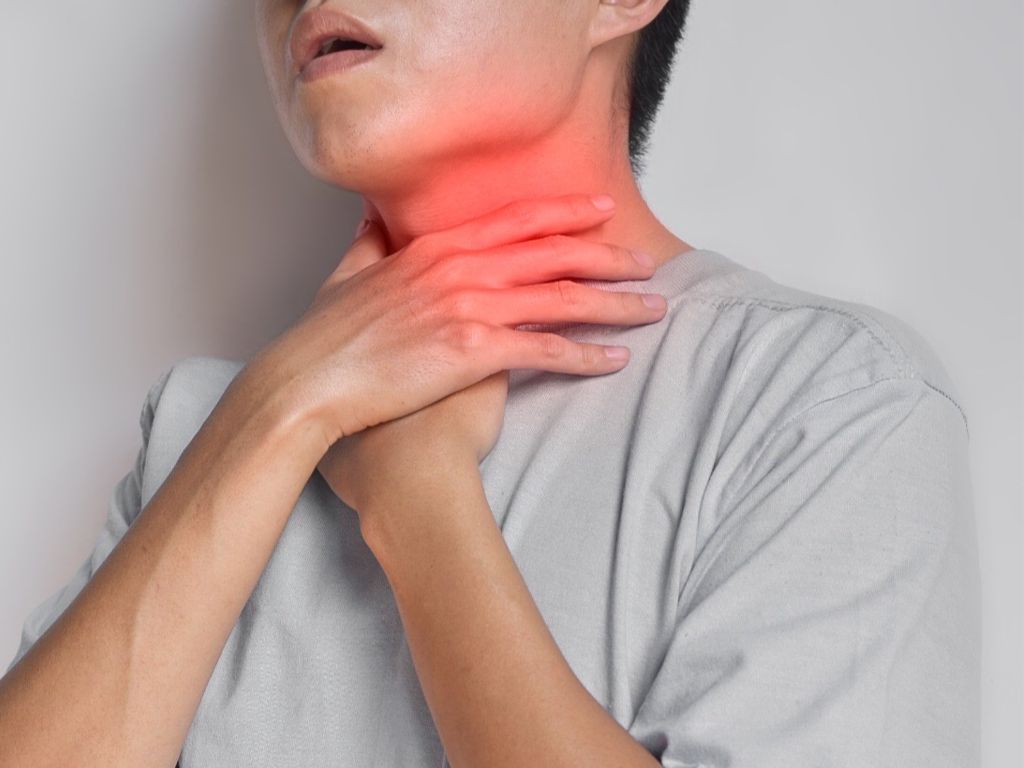
Experiencing shortness of breath after food can be unsettling. It is not something most people expect after a meal, but it is an issue that many deal with, often without understanding why it happens. If you’ve found yourself feeling winded, gasping for air, or generally uncomfortable after eating, you’re not alone. Several factors can contribute to this, and it’s important to explore them to find a solution. In this article, we will discuss the common causes of shortness of breath after eating and provide tips on how to alleviate the problem.
Understanding Shortness of Breath After Eating
Shortness of breath after eating refers to the sensation of struggling to breathe or feeling unusually winded after consuming food. This can happen for a variety of reasons, and its causes can range from minor issues to more serious health conditions. While feeling a bit out of breath after a large, heavy meal might be normal, persistent or severe shortness of breath should not be ignored.
Several factors contribute to this feeling, and understanding them is the first step toward managing or eliminating the issue. Here are some potential causes of shortness of breath after eating:
1. Overeating and Bloating
One of the most common causes of feeling short of breath after eating is overeating. When you consume a large meal, your stomach expands to accommodate the extra food. This expansion can put pressure on your diaphragm, the muscle that helps with breathing. When the diaphragm is compressed, it can restrict your ability to take deep breaths, leading to the sensation of shortness of breath.
Additionally, overeating can cause bloating, which can further exacerbate this problem. Bloating can make it harder for the lungs to expand fully, leading to shallow breathing and a sense of breathlessness. This is a common scenario after large meals, especially those that are high in fat, carbohydrates, or fiber.
2. Acid Reflux and GERD
Gastroesophageal reflux disease (GERD) is another common cause of shortness of breath after eating. GERD occurs when stomach acid flows back into the esophagus, causing irritation and discomfort. This acid reflux can also irritate the airways, making it harder to breathe.
People with GERD may experience a range of symptoms, including heartburn, chest discomfort, and a feeling of tightness in the chest. The acid can also reach the lungs, leading to symptoms such as wheezing, coughing, and shortness of breath. GERD can be aggravated after meals, especially when lying down or eating foods that trigger reflux, such as spicy, fatty, or acidic foods.
3. Food Sensitivities and Allergies
Some people may experience shortness of breath due to food sensitivities or allergies. Foods like nuts, shellfish, dairy, and certain fruits are common allergens that can cause respiratory symptoms in sensitive individuals. An allergic reaction can trigger swelling in the airways, making it difficult to breathe.
If you notice that your breathing difficulties occur after eating specific foods, it may be worth considering whether you have an allergy or sensitivity to those foods. In some cases, a food allergy can lead to anaphylaxis, a life-threatening condition that requires immediate medical attention. It is important to consult with a healthcare professional if you suspect food allergies or sensitivities are contributing to your breathing problems.
4. Asthma and Respiratory Conditions
People with asthma or other chronic respiratory conditions may find that their symptoms are triggered or worsened after eating. Certain foods, such as dairy products or foods that are high in histamines, can cause inflammation in the airways, leading to asthma-like symptoms, including shortness of breath.
In addition, some people with asthma may experience gastroesophageal reflux disease (GERD), which can make their breathing symptoms worse after meals. This combination of factors can leave individuals struggling to catch their breath after eating.
5. Heart Issues
In some cases, shortness of breath after eating can be a sign of an underlying heart condition. The heart has to work harder to pump blood throughout the body after eating, which can lead to difficulty breathing. This is especially true if the individual already has heart problems such as heart failure or coronary artery disease.
For people with heart conditions, eating large or heavy meals can put additional strain on the heart. If you’re experiencing shortness of breath after meals, along with other symptoms such as chest pain, dizziness, or swelling in the legs, it’s crucial to seek medical attention immediately.
Health and Wellness: How to Alleviate Shortness of Breath After Eating
If you frequently experience shortness of breath after meals, there are several steps you can take to improve your health and wellness and reduce the likelihood of this uncomfortable sensation. Below are some tips to help alleviate shortness of breath after eating:
1. Eat Smaller, More Frequent Meals
One of the most effective ways to reduce shortness of breath after eating is to eat smaller meals throughout the day. Overeating is a significant contributor to bloating and pressure on the diaphragm. By opting for smaller meals, you reduce the pressure on your stomach and diaphragm, making it easier to breathe after eating.
Additionally, smaller meals are less likely to cause acid reflux or trigger food sensitivities. Eating smaller portions also helps to manage your weight, which can alleviate pressure on the chest and lungs.
2. Avoid Trigger Foods
If you have food allergies, sensitivities, or acid reflux, it’s important to avoid foods that trigger symptoms. Common triggers include spicy foods, citrus fruits, fatty foods, chocolate, and carbonated beverages. If you have asthma or GERD, these foods can worsen your symptoms and make it harder to breathe.
Keeping a food diary can help you track which foods are causing discomfort and allow you to eliminate them from your diet. You may also want to consult with a healthcare professional or dietitian to identify any food triggers that may be affecting your breathing.
3. Stay Upright After Eating
After eating, avoid lying down immediately, as this can exacerbate acid reflux and make it harder to breathe. Instead, stay upright for at least 30 minutes after your meal. This allows your body to digest food more efficiently and reduces the likelihood of acid reflux.
If you need to take a nap after eating, try propping yourself up with pillows to maintain an upright position. This can help prevent reflux and reduce the feeling of breathlessness.
4. Exercise Regularly
Regular physical activity can improve overall lung function and cardiovascular health, making it easier to breathe after meals. Exercise strengthens the diaphragm and improves circulation, which can help reduce the sensation of shortness of breath.
If you’re prone to shortness of breath after meals, consider engaging in moderate exercise, such as walking, swimming, or yoga. These activities can improve respiratory function without putting undue strain on your body.
5. Consult a Healthcare Professional
If you frequently experience shortness of breath after eating, it’s important to consult a healthcare professional. They can help diagnose any underlying health issues, such as asthma, GERD, food allergies, or heart conditions. A healthcare provider can also provide guidance on managing your symptoms and offer treatment options to help you breathe more easily after meals.
When to Seek Medical Attention
While occasional shortness of breath after eating is usually not a cause for concern, you should seek medical attention if:
-
The shortness of breath is severe or persistent.
-
You experience chest pain or discomfort along with shortness of breath.
-
You have swelling in your legs, ankles, or feet.
-
You experience dizziness or lightheadedness after eating.
These symptoms may indicate a more serious health issue, such as heart disease or severe asthma, and require prompt medical evaluation.
Conclusion
Shortness of breath after eating can be caused by various factors, including overeating, acid reflux, food allergies, asthma, and heart conditions. Understanding the causes of this issue is the first step toward finding relief. By making dietary changes, avoiding triggers, and maintaining a healthy lifestyle, you can reduce the likelihood of experiencing shortness of breath after meals. If your symptoms persist or worsen, it’s essential to consult with a healthcare provider to ensure there are no underlying health conditions that need attention.