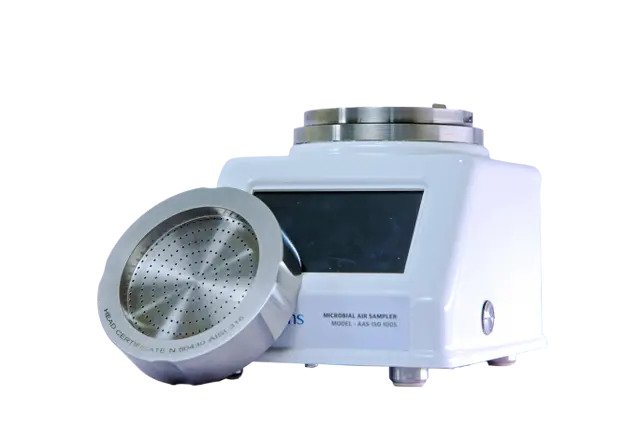
Regulatory compliance is a fundamental requirement for pharmaceutical manufacturing, biotechnology laboratories, healthcare facilities, and research organizations. Maintaining accurate environmental monitoring records is just as important as controlling microbial contamination. A 21 CFR Part 11 air sampler combines advanced microbial air sampling with secure electronic record management, helping organizations meet strict FDA requirements for data integrity and traceability. Whether used as a Microbial air sampler, Active Air Sampler, or Cleanroom air sampler, these advanced instruments simplify documentation, improve audit readiness, and enhance operational efficiency. By investing in a compliant air sampling system, laboratories can strengthen quality assurance while ensuring reliable environmental monitoring and regulatory compliance.
Understanding 21 CFR Part 11
21 CFR Part 11 is a regulation established by the U.S. Food and Drug Administration (FDA) that defines the requirements for electronic records and electronic signatures used in regulated industries. It ensures that digital records are as trustworthy, reliable, and secure as traditional paper documentation.
A 21 CFR Part 11 air sampler is designed with built-in software and security features that allow laboratories to create, store, manage, and retrieve environmental monitoring data while maintaining complete data integrity.
Key compliance features typically include:
- Secure user authentication
- Electronic signatures
- Audit trails
- Password protection
- Role-based user access
- Automatic time and date stamps
- Secure electronic data storage
- Tamper-resistant records
These features make environmental monitoring more reliable while reducing paperwork and manual documentation errors.
What Is a Microbial Air Sampler?
A Microbial air sampler is a laboratory instrument used to detect viable airborne microorganisms in controlled environments. It actively draws a measured volume of air through a sampling head and captures microorganisms on a culture medium for microbiological analysis.
Unlike passive monitoring methods, an Active Air Sampler provides consistent air sampling volumes, improving the accuracy and repeatability of environmental monitoring results.
Routine microbial monitoring helps organizations identify contamination risks before they affect products, processes, or patient safety.
Why Regulatory Compliance Matters
Industries operating in sterile environments must demonstrate that their manufacturing processes consistently meet regulatory standards. Environmental monitoring records are frequently reviewed during regulatory inspections, making accurate documentation essential.
Using a 21 CFR Part 11 air sampler helps organizations:
- Maintain complete electronic records
- Reduce documentation errors
- Improve data security
- Simplify audit preparation
- Support FDA compliance
- Strengthen quality assurance programs
Digital documentation also improves operational efficiency by reducing the time spent managing paper records.
Advantages of an Active Air Sampler
An Active Air Sampler offers several advantages over traditional passive monitoring techniques.
Accurate Air Volume Measurement
An Active Air Sampler draws a controlled volume of air through the instrument, providing reliable and repeatable microbial recovery.
Faster Detection of Contamination
Routine active air monitoring allows laboratories to identify airborne microbial contamination quickly, enabling faster corrective actions.
Consistent Sampling Performance
Automated airflow control minimizes variability between operators, improving result consistency.
Better Environmental Monitoring
An Active Air Sampler provides quantitative microbial data that supports trend analysis and contamination investigations.
Importance of a Cleanroom Air Sampler
A Cleanroom air sampler is specifically designed for monitoring controlled environments where contamination control is essential.
These environments include:
- Pharmaceutical cleanrooms
- Biotechnology laboratories
- Sterile manufacturing areas
- Hospital compounding pharmacies
- Medical device production facilities
- Research laboratories
Routine monitoring using a Cleanroom air sampler helps ensure airborne microbial levels remain within established limits, protecting products and maintaining compliance.
Benefits of a Portable Air Sampler
Many organizations prefer a Portable air sampler because it allows environmental monitoring across multiple locations without permanent installation.
Advantages include:
- Lightweight construction
- Easy transportation
- Battery-powered operation
- Fast setup
- Flexible sampling locations
- Consistent monitoring performance
A Portable air sampler is especially useful during facility qualification, validation studies, routine monitoring, and contamination investigations.
Why Choose an Active Air Sampler Manufacturer?
Selecting a trusted Active Air Sampler manufacturer is essential for achieving reliable environmental monitoring results.
A reputable manufacturer typically offers:
- High-precision sampling technology
- Regulatory-compliant software
- Validation support
- Calibration services
- User-friendly operation
- Long-term technical support
- Reliable product performance
Choosing an experienced Active Air Sampler manufacturer helps laboratories maintain consistent monitoring performance throughout the equipment lifecycle.
The Role of an Active Air Sampler Supplier
A reliable Active Air Sampler supplier provides much more than equipment. They assist organizations with installation, qualification, maintenance, calibration, and ongoing technical support.
An experienced Active Air Sampler supplier can help with:
- Product selection
- Installation assistance
- Operator training
- Preventive maintenance
- Calibration services
- Software updates
- Regulatory guidance
Strong supplier support ensures laboratories maximize equipment performance while maintaining compliance.
Growing Demand for Active Air Sampler India
India has become a major hub for pharmaceutical manufacturing and biotechnology research, creating significant demand for advanced environmental monitoring equipment. Modern Active Air Sampler India solutions are designed to meet both domestic and international regulatory standards.
Today’s Active Air Sampler India systems commonly include:
- Touchscreen interfaces
- Digital reporting
- Electronic audit trails
- Multi-language support
- Secure user management
- Automated sampling programs
- 21 CFR Part 11 compliance features
These capabilities enable Indian laboratories to strengthen quality systems and compete in global pharmaceutical markets.
Applications Across Multiple Industries
A 21 CFR Part 11 air sampler supports environmental monitoring in numerous industries.
Pharmaceutical Manufacturing
Sterile drug manufacturing requires continuous microbial monitoring throughout production to ensure product safety.
Biotechnology
Biotechnology facilities monitor airborne microorganisms during vaccine production, cell culture, and biological research.
Healthcare
Hospitals use a Microbial air sampler to monitor sterile compounding areas and operating environments.
Medical Device Manufacturing
Medical device manufacturers verify cleanroom conditions before producing sterile products.
Research Laboratories
Academic and industrial laboratories rely on an Active Air Sampler to maintain contamination-free research environments.
Features to Look for in a 21 CFR Part 11 Air Sampler
When selecting a compliant air sampling system, organizations should consider several important features.
Look for:
- Electronic signatures
- Secure login authentication
- Role-based user access
- Complete audit trails
- Automatic report generation
- USB and network connectivity
- Cloud or server integration
- Touchscreen operation
- Programmable sampling volumes
- Lightweight portable design
- Easy cleaning and maintenance
These features improve laboratory productivity while supporting regulatory compliance.
Best Practices for Environmental Monitoring
To obtain reliable microbial monitoring results, laboratories should follow established operating procedures.
Recommended practices include:
- Calibrate instruments regularly.
- Perform routine preventive maintenance.
- Use sterile culture media.
- Sanitize sampling heads before use.
- Follow approved sampling schedules.
- Train operators thoroughly.
- Review environmental trends regularly.
- Maintain complete electronic records.
These practices help maximize the performance of every Microbial air sampler while ensuring consistent regulatory compliance.
Conclusion
Choosing a 21 CFR Part 11 air sampler is a smart investment for organizations that prioritize regulatory compliance, data integrity, and effective environmental monitoring. By combining the capabilities of a Microbial air sampler, Active Air Sampler, and Cleanroom air sampler with secure electronic record management, these advanced systems simplify compliance with FDA requirements while improving operational efficiency. Whether you require a Portable air sampler for flexible monitoring, are searching for a trusted Active Air Sampler manufacturer, partnering with an experienced Active Air Sampler supplier, or sourcing high-quality Active Air Sampler India solutions, selecting the right equipment strengthens quality assurance and contamination control. With reliable microbial monitoring, secure documentation, and audit-ready records, laboratories can confidently maintain sterile environments and meet the highest standards of pharmaceutical and biotechnology manufacturing.